
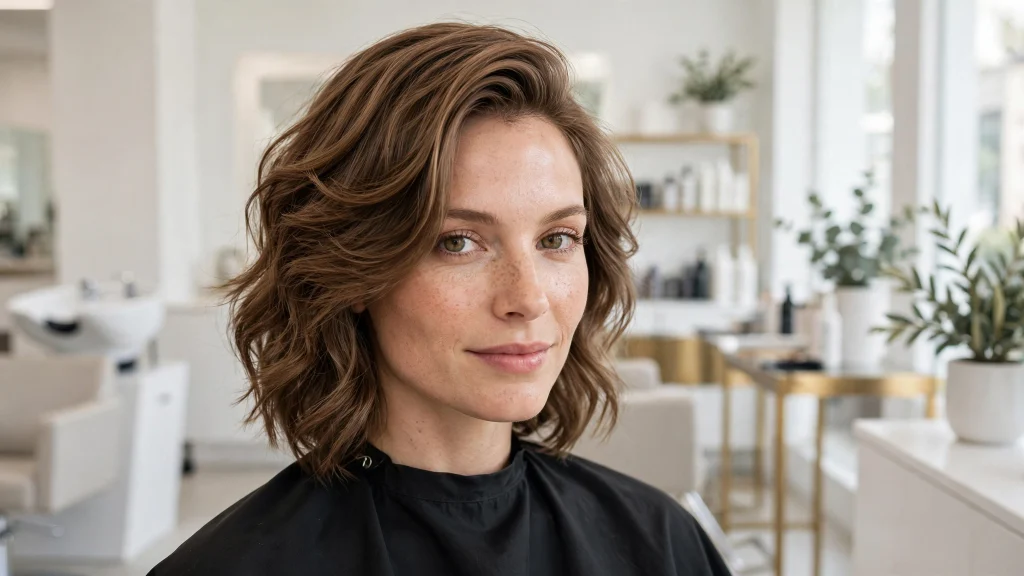
Love the wild, textured energy of the wolf cut but not a fan of fringe? You’re in luck. The wolf cut without bangs takes everything great about this trending haircut — the choppy layers, the volume, the effortless cool — and pairs it with a clean, open forehead. No bangs to trim, no fringe to fight on humid days, just pure layered movement.
Whether your style leans sleek and polished or messy and carefree, there’s a bang-free wolf cut with your name on it. Below, we’ll explain what makes this cut special, share 15 gorgeous variations to inspire your next salon visit, and walk you through styling, maintenance, and the questions everyone asks before booking the chop.
What Is a Wolf Cut Without Bangs?
The wolf cut is a heavily layered haircut that fuses the shaggy texture of a classic shag with the mullet’s shorter-crown, longer-back silhouette. Traditionally it’s paired with bangs, but skipping the fringe changes the whole mood of the cut. Without bangs, the focus shifts to the layers themselves — the way they flick, curl, and cascade around your face.
This version feels a little more grown-up and versatile than its banged counterpart. It opens up the face, works beautifully with center or side partings, and grows out with far less awkwardness since there’s no fringe to maintain. It’s the same statement haircut, just with a cleaner frame.
Another big plus: a wolf cut without bangs suits people who’ve struggled with fringe in the past. If bangs never sat right on your forehead or demanded daily heat styling, this is your way into the trend without the commitment.
15 Stunning Wolf Cut Without Bangs Ideas
1. Black Wavy Wolf Cut With Blonde Lower-Layer Highlights
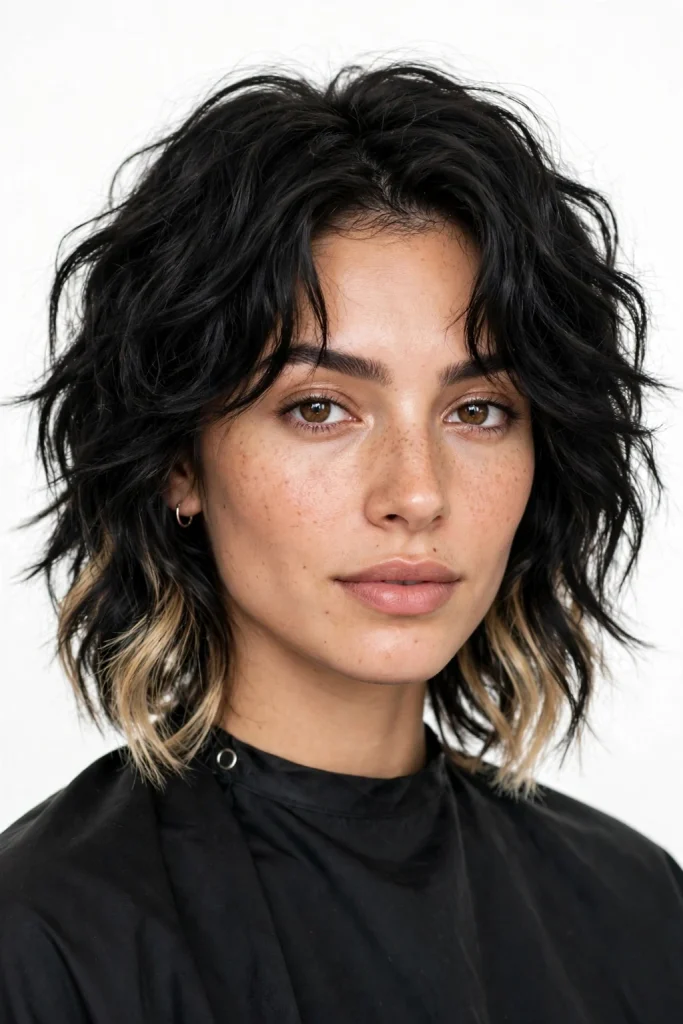
A jet-black wavy wolf cut gets an instant upgrade with blonde highlights woven through the lower layers. The contrast peeks out as the waves move, giving the whole style depth and a touch of drama without touching the top. It’s the classic peekaboo effect: from a distance the hair reads as rich, glossy black, but every turn of the head reveals ribbons of gold underneath. That hidden dimension makes the layers look thicker and more textured than they actually are.
This is a brilliant choice if you’re a natural brunette who wants dimension without committing to an all-over color. Because the blonde sits in the lower layers, regrowth is far less obvious than with face-framing highlights, and you can stretch salon visits further. Ask your colorist for balayage rather than foils — the hand-painted technique creates a softer grow-out and blends more naturally into the wavy texture.
To keep the black base looking expensive, use a shine-boosting gloss every few weeks and a sulfate-free shampoo that won’t turn the blonde pieces brassy. A purple shampoo once a week keeps the highlights bright. This combination works best on medium to long lengths, where there’s enough hair for the two tones to play against each other as the waves fall.
2. Long Burgundy Wavy Wolf Cut
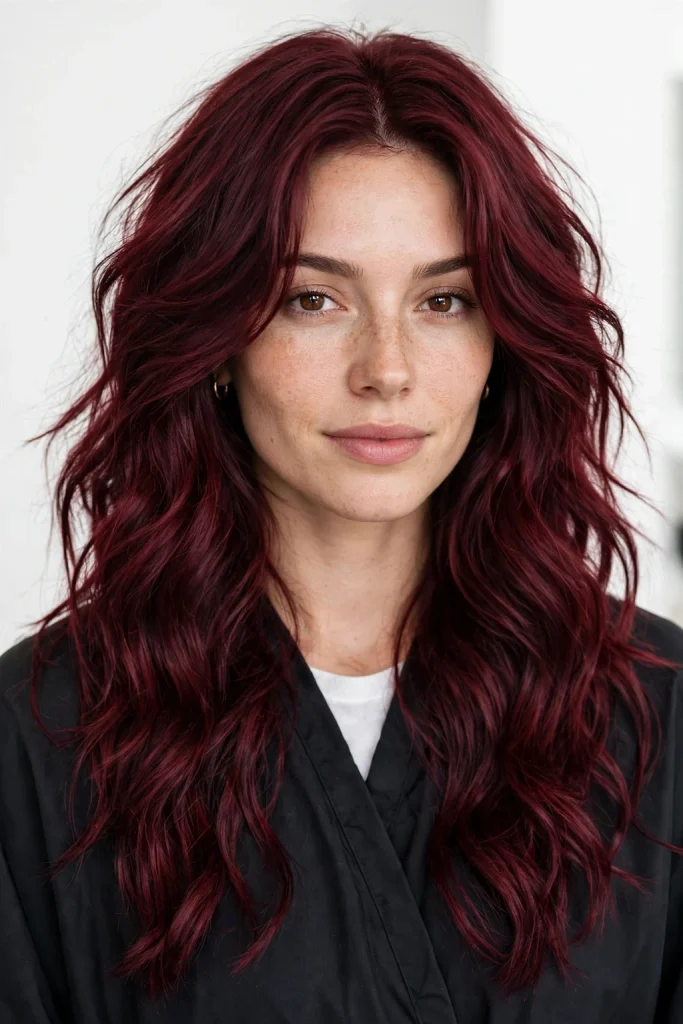
Burgundy brings richness and warmth to long, wavy wolf-cut layers. This one is elegant but far from boring — the deep wine tones catch the light beautifully and make the texture look even more luxurious. In sunlight the color shifts from near-black plum to glowing cherry, which means the choppy layers are constantly showing off new dimension. It’s a color that does half the styling work for you.
Warm skin tones glow against burgundy, but the shade is surprisingly democratic — cooler complexions can lean toward the violet-red end of the spectrum. If you’ve been craving color without going neon, this is the sweet spot: noticeable, sophisticated, and endlessly wearable. The waves are essential here; they break up the solid color so it never looks flat or wig-like.
Fair warning: reds are the fastest-fading color family. Plan on a gloss or toner refresh every four to six weeks, wash in cool water, and keep a color-depositing conditioner in your rotation. With that small effort, burgundy rewards you with one of the most head-turning versions of the bang-free wolf cut.
3. Medium Wavy Layered Wolf Cut
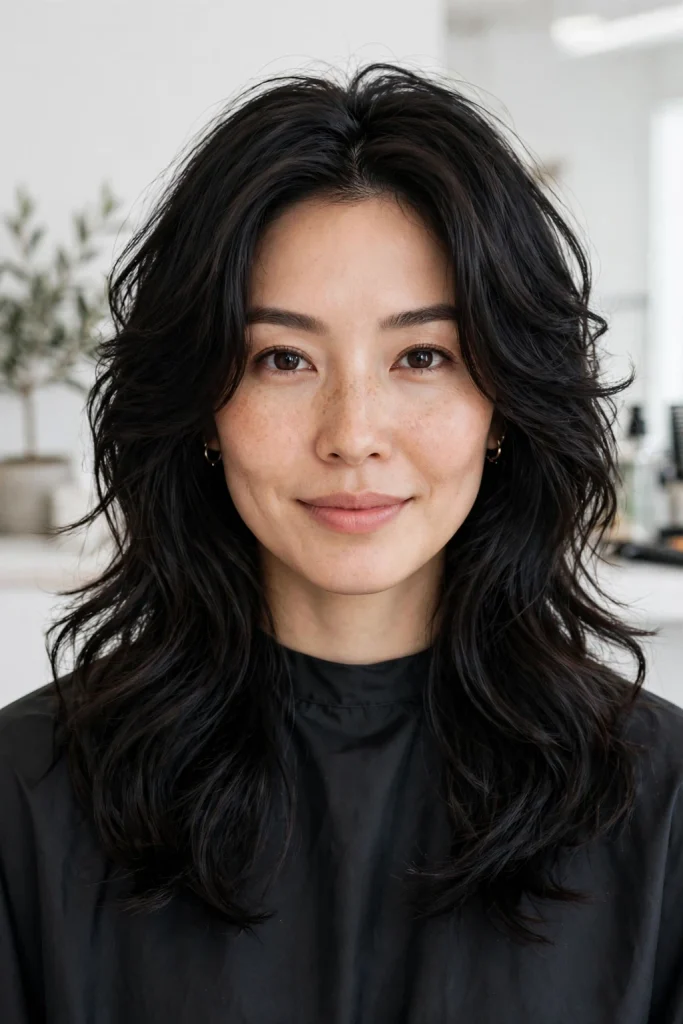
Sometimes simple wins. A medium-length wolf cut in natural black with soft, flowing waves is graceful and easy to wear. The layers do all the talking, falling in a flattering cascade around the shoulders. There’s no color to maintain and no extreme shape to style — just healthy, moving hair with that signature wolf-cut volume at the crown.
This is the perfect entry point if you’re trying the trend for the first time. Medium length is forgiving: long enough to tie back on busy days, short enough to style in minutes. It suits virtually every face shape because the stylist can adjust where the shortest layers hit — cheekbone, jaw, or collarbone — to flatter your features.
The grow-out is equally painless. Because there’s no fringe and no harsh color line, you can go months between trims without it looking neglected; the layers simply soften into a lived-in shag. A little wave spray on damp hair is genuinely all this cut needs most mornings.
4. Face-Framing Layered Brown Wolf Cut
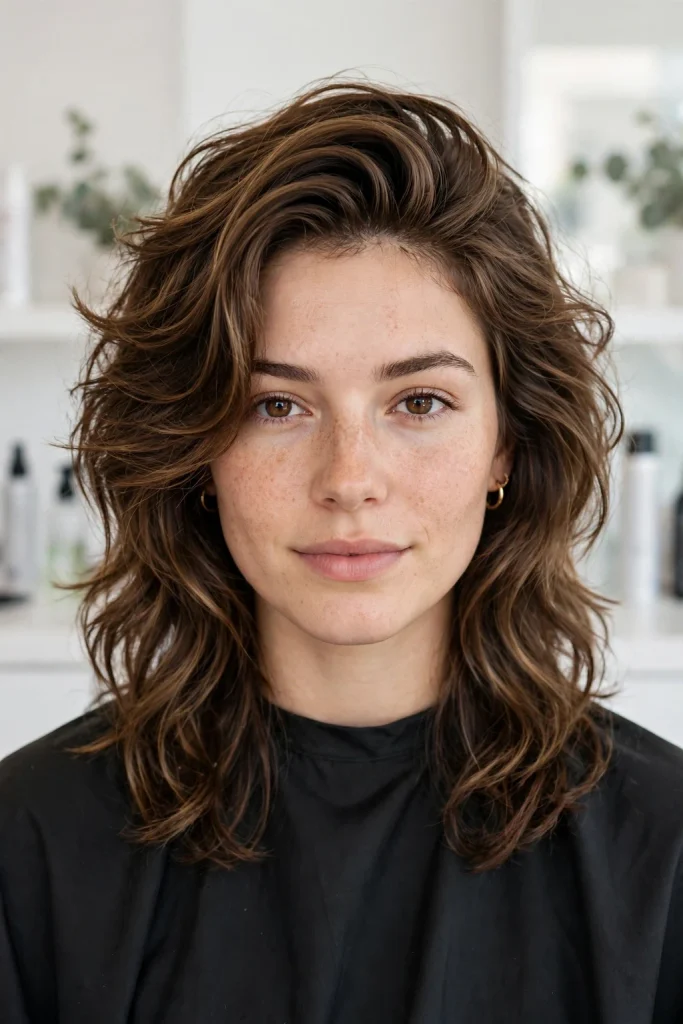
If volume is the goal, face-framing layers are the answer. This brown wavy wolf cut builds fullness right where it counts, and the curved front pieces give fine hair a much thicker appearance. The trick is in the graduation: shorter pieces around the cheekbones that curve inward, creating the illusion of density even on hair that usually falls flat.
Fine-haired readers, take note — this is your cut. The layering removes just enough weight for the remaining hair to lift at the roots, and the face-framing shape draws the eye to your features rather than to thin ends. A round brush and a quick blast of the dryer on those front pieces is the whole styling routine; the curved shape does the heavy lifting.
Warm brown is the ideal canvas because it shows off texture without demanding bleach-level upkeep. Keep the ends healthy with regular trims — wispy, see-through ends undo all the volumizing magic — and consider a root-lifting mousse if your hair is very straight. The result reads full, bouncy, and expensive.
5. Tousled Long Wolf Cut With Bouncy Face Layers
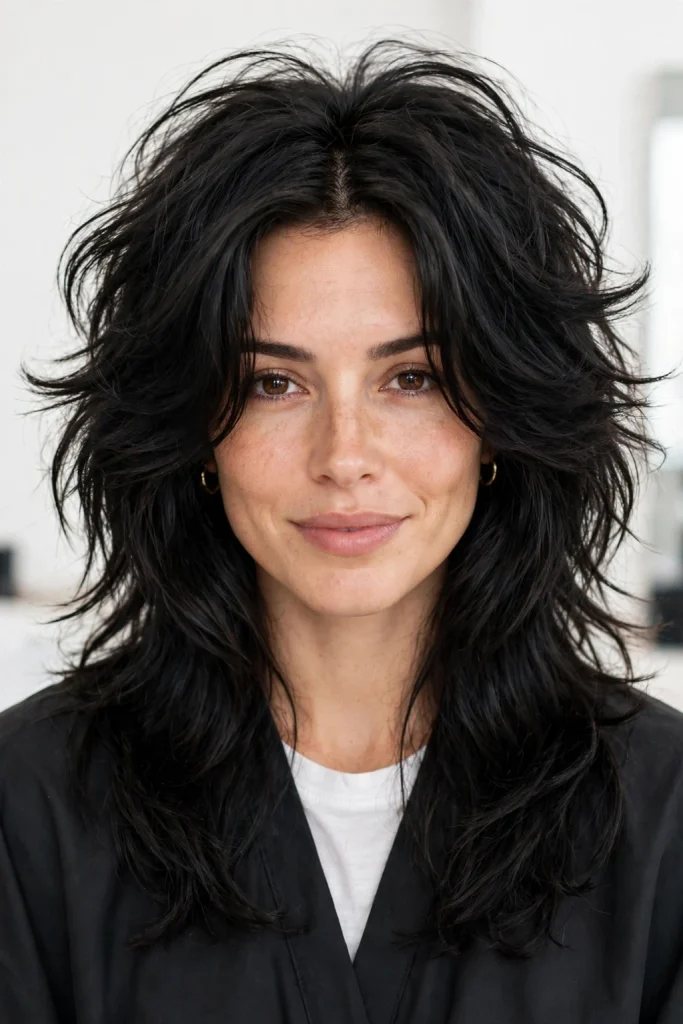
For maximum body, go tousled. This long wolf cut pairs deliberately messy texture with springy layers around the face, creating a full, lively silhouette that looks amazing in motion. Think windblown in the best way: pieces flipping, ends flicking, nothing sitting too perfectly in place. It’s the haircut equivalent of laughing with your whole body.
Thick hair was made for this version — all that density becomes an asset instead of a burden, and the layers keep it from turning into a triangle. Styling leans into the chaos: sea salt spray on damp hair, diffused upside down, then a shake at the roots. The bouncy face layers are the star, so give them a quick twirl around a large-barrel iron if they need encouragement.
Fair warning: this is a high-impact look that photographs beautifully but needs a touch of daily revival. A spritz of dry shampoo at the crown on day two brings back the lift. If your personal style runs bold and carefree, this tousled take will feel like coming home.
6. Long Dark Brown Wolf Cut
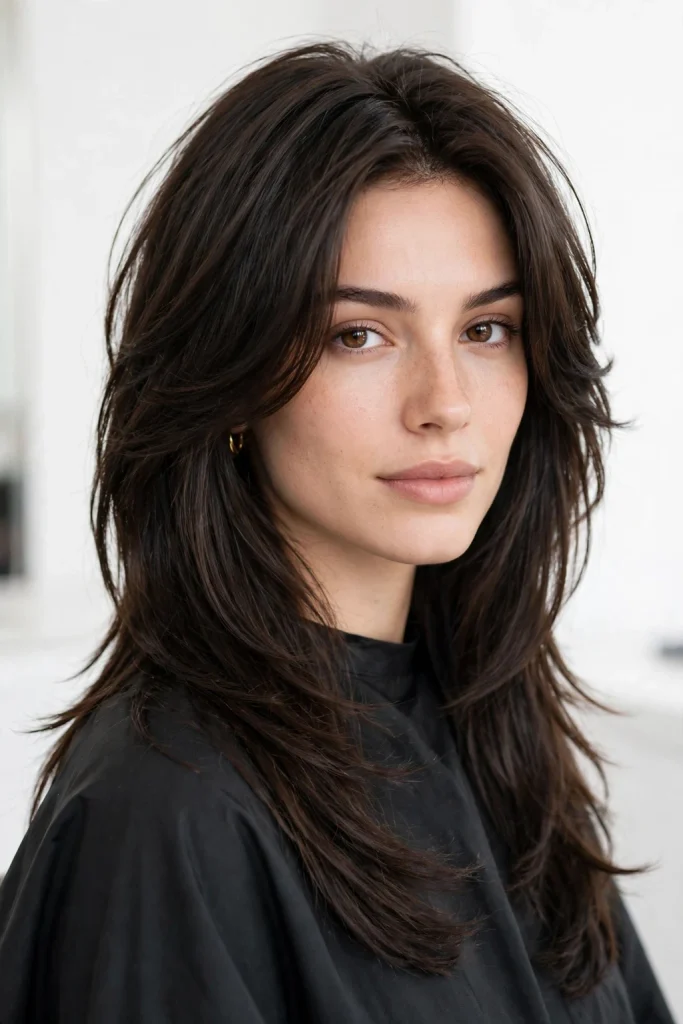
Understated and refined, a long dark brown wolf cut lets the layering shine on its own. The smooth, glossy lengths keep it office-friendly while the choppy ends preserve that signature edge. It’s proof that the wolf cut doesn’t have to scream — it can simply suggest, with movement and shape doing the talking instead of color or drama.
This is the version for anyone who wants the trend without committing to a “look.” It works in conservative workplaces, photographs elegantly, and transitions from day to night with zero restyling. The key is shine: dark brown shows dullness quickly, so a glossing treatment every couple of months keeps it looking liquid and healthy.
Styling stays simple — blow out smooth with a paddle brush, then flick just the ends outward for that wolf-cut attitude. Because the shape is doing the work, you don’t need elaborate routines. Regular trims every couple of months keep the layers crisp rather than straggly, which is what separates this polished take from an overgrown shag.
7. Short Toffee Blonde Wavy Wolf Cut
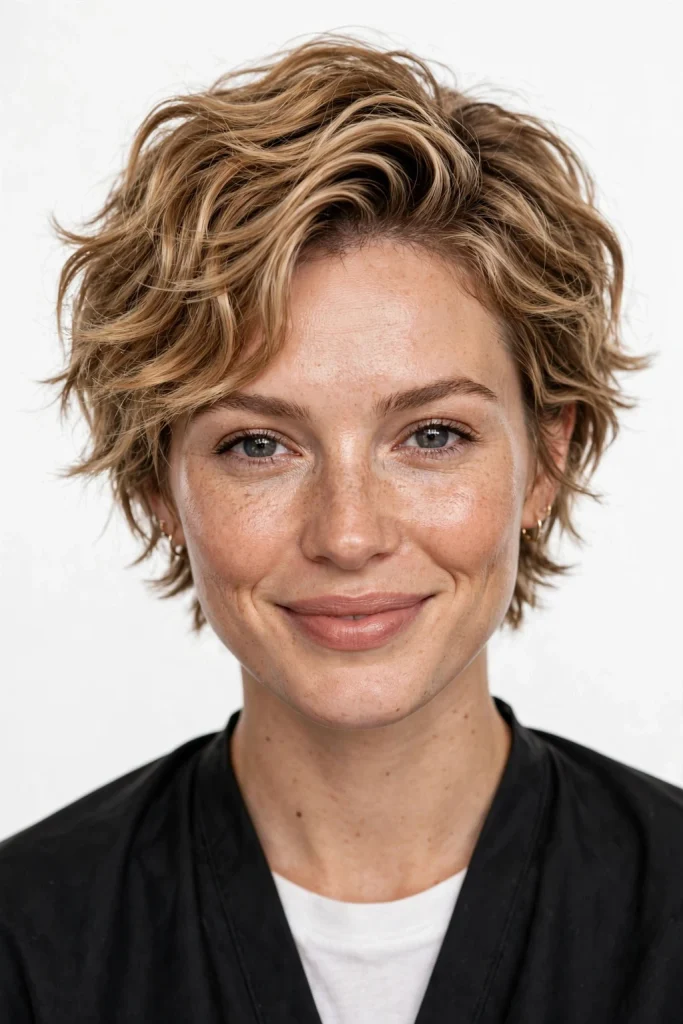
Short hair, big personality. This toffee blonde wolf cut is all about playful waves and warm caramel tones. It’s fresh, youthful, and proof that the wolf cut doesn’t need length to make an impact. Cropped somewhere between the jaw and the shoulders, every layer is visible, which means maximum texture in a minimum of hair.
Petite features shine with this length — the open forehead and compact shape draw attention to the eyes and cheekbones. Toffee blonde, with its golden-caramel warmth, flatters warm and neutral undertones beautifully and grows out more gracefully than icy platinum. A root shadow at the salon stretches the time between appointments even further.
Styling is delightfully quick: a dab of texturizing wax scrunched into dry waves gives piecey definition in under five minutes. The short length also means healthier ends and less product. If you’ve been toying with going shorter but fear losing femininity, this warm, bouncy cut is the reassurance you need.
8. Black Wavy Mullet Wolf Cut
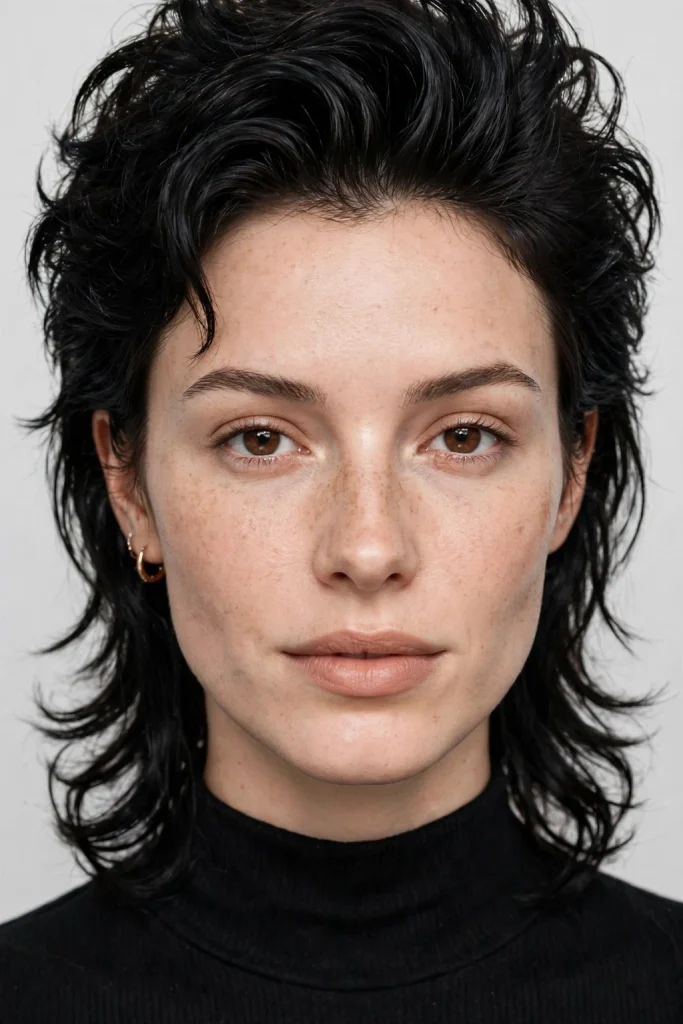
Lean all the way into the cut’s rebellious roots with a true mullet shape — short, piecey waves up top melting into longer lengths at the back. In black, it reads chic and edgy rather than costume-y. The wolf cut was always the mullet’s cooler cousin; this version just stops pretending otherwise, and the result is strikingly modern.
This is not a cut for the hesitant — it demands confidence and rewards it. Fashion-forward dressers, creatives, and anyone bored of safe hair will feel instantly at home. The styling is deliberately undone: matte texture paste worked through the crown pieces, lengths left to do their own thing. The contrast between the cropped top and flowing back is the entire point, so don’t fight it.
What keeps it chic rather than retro is the softness. Ask your stylist to keep the transition seamless — no harsh disconnect — and let the natural wave blur the lines. In glossy black, the shape looks graphic and intentional, like something off a runway rather than out of a decade best forgotten.
9. Ice Blonde Wolf Cut With Navy Blue Chunks
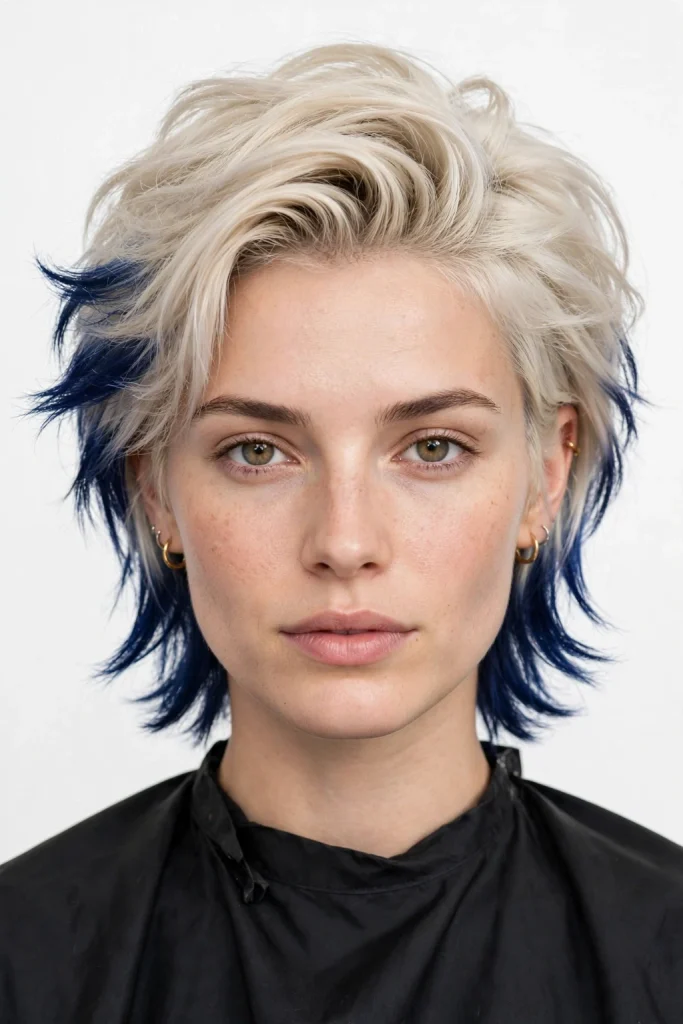
Here’s one for the bold. An icy blonde base with chunky navy blue pieces through the ends creates a striking, high-contrast look. The color blocking shows off every layer of the cut — each navy chunk acts like a highlighter pen tracing the wolf cut’s signature texture. Against platinum, the deep blue looks almost electric.
Cool skin tones carry this combination best, and it helps to already be blonde or willing to go there — the icy base is non-negotiable for that crisp contrast. Placement matters enormously: chunks concentrated through the mid-lengths and ends let the layers do the showing-off, while keeping the regrowth zone clean for easier maintenance.
Be honest with yourself about upkeep before committing. Icy blonde needs toning every few weeks, and navy fades toward a denim blue that you’ll either love or need to refresh. A good colorist, purple shampoo, and realistic expectations are the price of admission — and for the right person, it’s worth every penny.
10. Long Brunette Wavy Wolf Cut
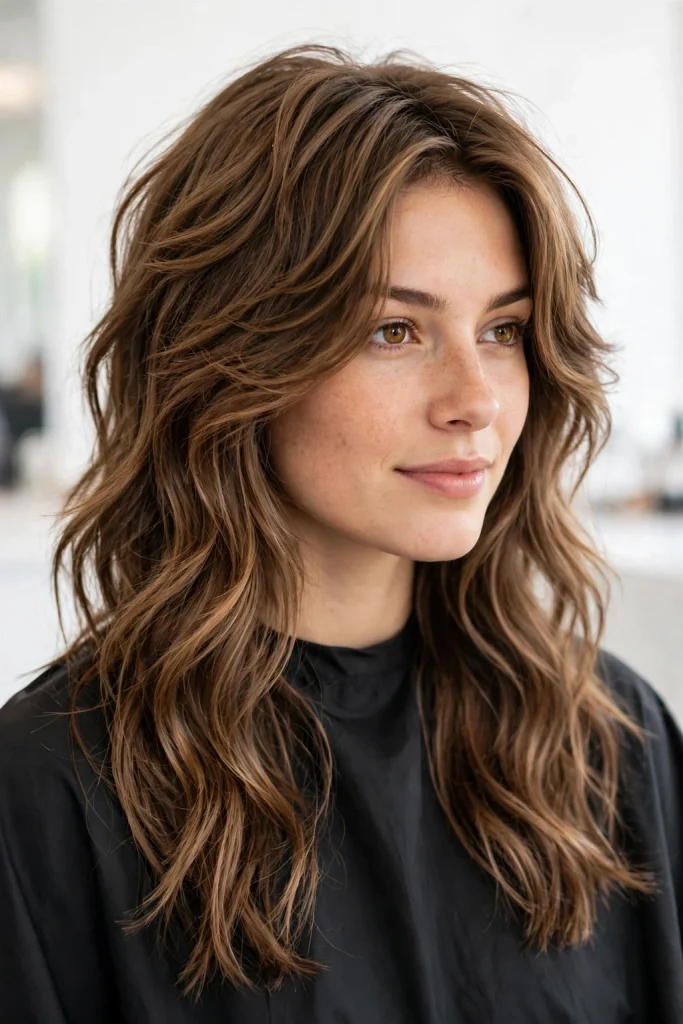
Warm light-brown tones and long, flowing waves make this brunette wolf cut effortlessly pretty. Softly curved front layers add bounce, and the whole look feels sun-kissed and relaxed. It’s the least intimidating entry in this roundup and possibly the most universally flattering — the hair equivalent of a perfect white t-shirt.
Natural brunettes, this is your low-effort jackpot. The color needs almost nothing — maybe a gloss twice a year — and the long layers grow out beautifully. Beach-wave styling with a large iron or overnight braids is all it takes; the cut’s built-in texture means even lazy waves look intentional.
What makes it special is the movement. Long layers that curve and flick as you move give flat, one-length hair an instant upgrade without sacrificing length. If you’ve been growing your hair and fear layers will “take it all off,” rest assured: this version keeps every inch while adding life.
11. Neon Pink and Black Duo-Toned Wolf Cut
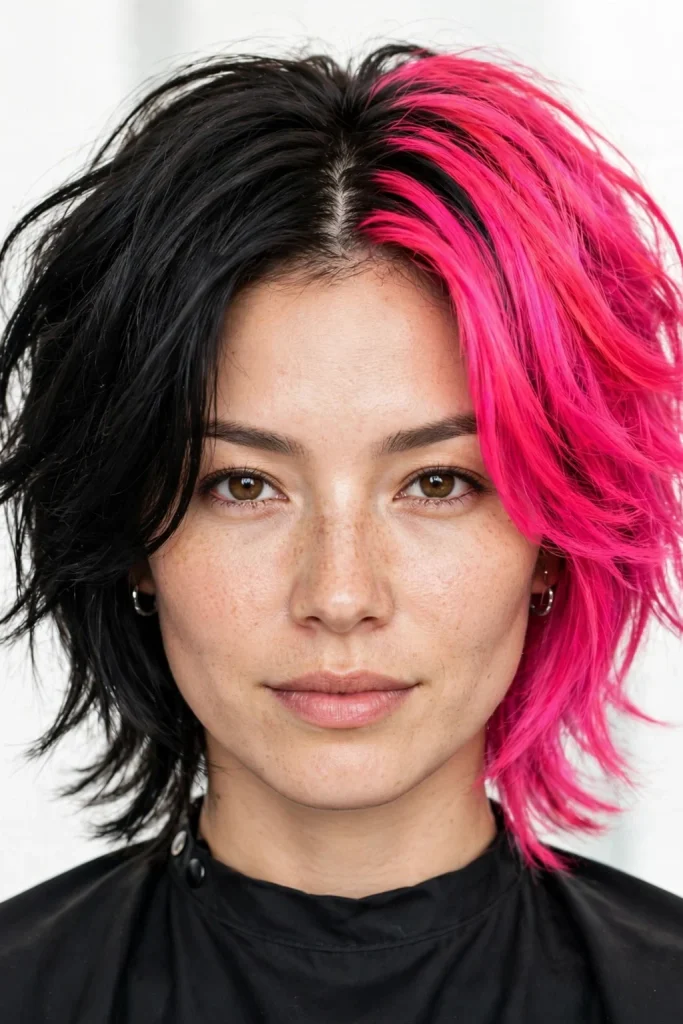
Black hair streaked with neon pink is not for wallflowers — and that’s the point. This daring two-tone wolf cut turns the volume all the way up, with vivid color tracing each layer. The pink can live as an underlayer that flashes when you move, as face-framing streaks, or scattered throughout — each placement gives a completely different energy.
This is statement hair for people whose style is already loud. Pair it with the wolf cut’s texture and you’ve got a look that needs no accessories. Styling-wise, the color does the work; keep the texture piecey with a little wax so the pink sections stay separated and visible rather than blurring into the black.
Maintenance is real: neon pink is among the fastest-fading shades. Cold washes, color-depositing conditioners, and touch-ups every three to four weeks keep it electric. If that sounds like a lot, start with clip-in or semi-permanent versions to test-drive the vibe before going all in.
12. Very Long Cinnamon Wolf Cut on Straight Hair
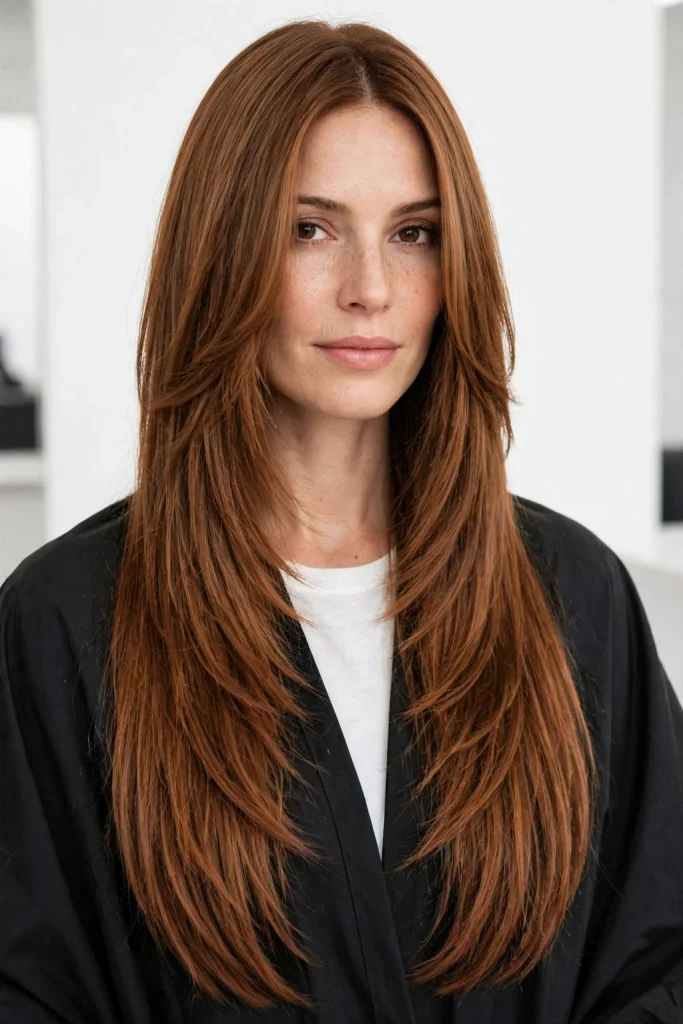
Who says wolf cuts need waves? This ultra-long version in warm cinnamon brown proves the layers look stunning on straight hair too, with sleek lengths that still flick and move at the ends. The cinnamon shade — spicy, warm, dimensional — keeps all that length from looking heavy or flat.
Straight-haired readers often assume textured cuts aren’t for them; this is the rebuttal. The layering creates the shape and swing, while sleek styling keeps it polished. A flat iron used to flick just the ends outward gives that wolf-cut kick without a single wave in sight. A shine serum is non-negotiable — glassy lengths are what make this look expensive.
Cinnamon is a gorgeous middle ground for brunettes who want warmth without going copper. It photographs beautifully and fades gracefully. The one demand of extreme length is health: regular trims and deep conditioning keep those ends from turning wispy, which would undermine the whole sleek effect.
13. Tea Green and Black Jellyfish Wolf Cut
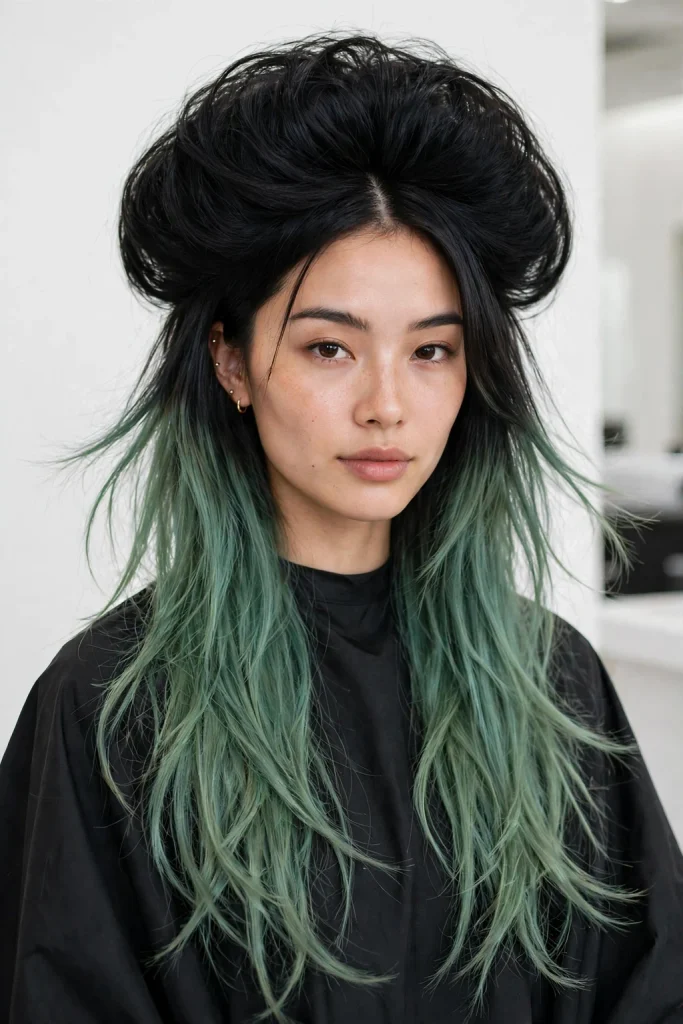
The jellyfish cut meets the wolf cut in this avant-garde style: a rounded, full crown in tea green and black with long, wispy lengths underneath. It’s artistic, unexpected, and unforgettable. The jellyfish element — that distinct, almost helmet-like rounded top contrasting with ultra-thin lengths — pushes the wolf cut into editorial territory.
Let’s be clear: this is not everyday hair for most people. It’s for photoshoots, creative industries, festivals, and the genuinely fearless. The styling is specific too — round-brush the crown smooth and full, keep the underneath lengths sleek and separated so the two textures read as intentional contrast rather than accident.
If you’re tempted, consider a semi-permanent tea green first; it washes out in weeks if the avant-garde life isn’t for you. And find a stylist experienced with creative cuts — the geometry here is precise, and a standard salon may not nail the jellyfish silhouette. Done right, though, it’s a genuine work of art you wear on your head.
14. Honey Blonde and Dark Brown Duo-Toned Wolf Cut
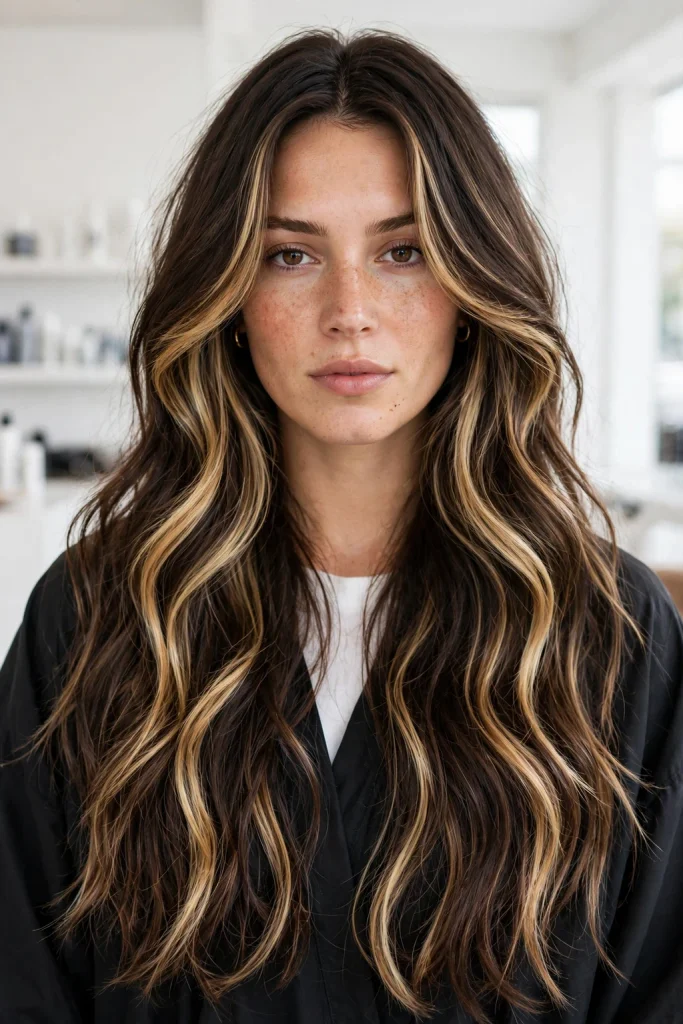
Dark brown lengths warmed up with honey blonde contrast sections — this long wavy wolf cut is dimensional and rich. The curved front layers keep everything bouncy and face-flattering. Unlike harsher two-tones, honey on dark brown feels sunlit and natural, like the best version of summer hair year-round.
Brunettes wanting brightness without full blonde commitment, this is your answer. The honey pieces are typically placed balayage-style through the mid-lengths and around the face, which means soft regrowth and salon visits spaced months apart. The waves do the rest, constantly shuffling the two tones so the dimension never sits still.
Styling couldn’t be easier: the color contrast itself creates the illusion of texture, so even simple waves look intricate. A little curl cream on damp hair, diffused or air-dried, is genuinely enough. It’s the rare “bold” color that’s also completely office-appropriate — dimension without drama.
15. Violet Red Shaggy Wolf Cut
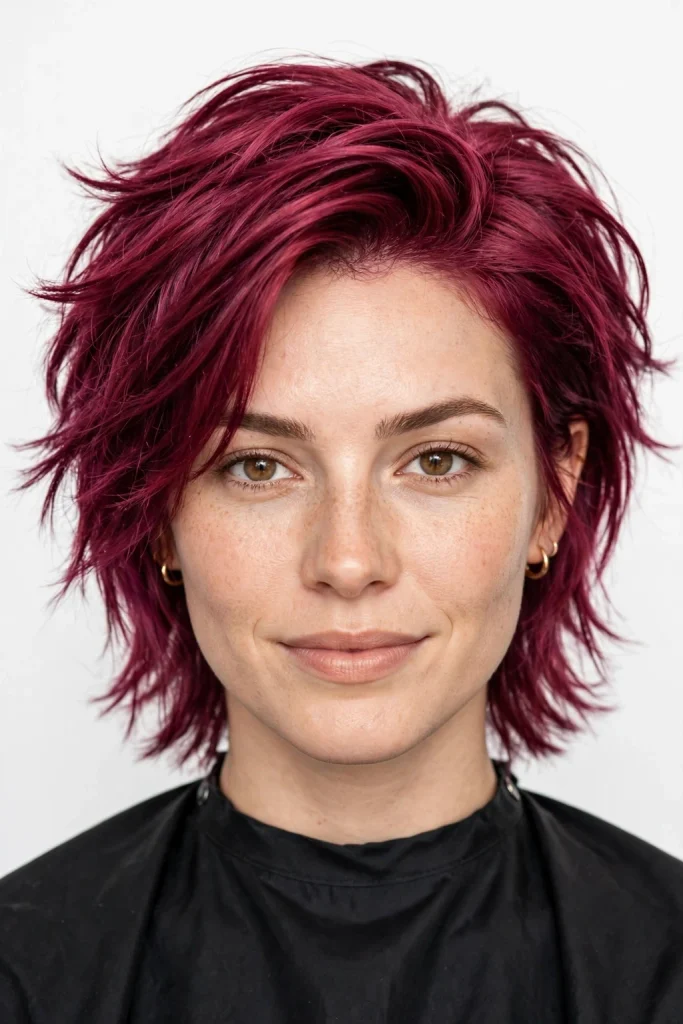
A metallic violet-red shade gives this short-to-medium shaggy wolf cut a bold yet sophisticated finish. The berry tones feel modern and the shaggy texture keeps it wearable every day. There’s something jewel-like about violet-red — it shifts between plum and cherry depending on the light, which keeps the shaggy layers endlessly interesting.
Cool and neutral undertones glow against this shade; very warm complexions should ask their colorist to lean the formula more red than violet. The shaggy texture is doing important work here — it breaks up the solid color so the boldness feels textured and dimensional rather than flat. Piecey styling with a bit of wax enhances that effect.
Like all reds, expect fading: plan gloss refreshes and lean on color-safe, sulfate-free products. Wash cool, protect from sun, and the violet-red will reward you with weeks of rich, shifting color. It’s the perfect finale to this list — proof that the bang-free wolf cut can be as daring as you want it to be.
Who Should Try This Haircut?
The bang-free wolf cut is one of the most adaptable haircuts out there. Here’s who it flatters most:
- Hair types: Wavy and curly hair types get the most out of the layering, since the cut amplifies natural texture. Straight hair works too — the layers still create shape and movement, with a little styling help.
- Face shapes: Oval, round, square, and heart-shaped faces all suit this cut, because the open forehead and curving layers can be adjusted to balance any features. A center part elongates, while a deep side part softens strong jawlines.
- Lifestyle: Ideal for anyone who wants statement hair without high-maintenance fringe. It air-dries nicely, looks good messy, and doesn’t demand daily bang touch-ups.
One caution: because the cut removes weight through heavy layering, very fine or thin hair can end up looking sparse. Ask your stylist for longer, softer layers if density is a concern.
How to Style a Wolf Cut Without Bangs
Styling is refreshingly low-effort. Here’s a simple routine:
- Start with damp hair. Work a lightweight mousse or wave-enhancing cream through the mid-lengths and ends to encourage texture.
- Create your part. Choose a center or side parting while hair is wet — this sets the foundation for how the front layers fall.
- Scrunch and diffuse. Scrunch the waves upward and dry with a diffuser on medium heat, focusing on the crown for that signature volume.
- Define the front layers. Twist a few face-framing pieces around your finger or a small curling wand so they curve gracefully instead of falling flat.
- Finish with texture spray. A light mist adds separation and hold without stiffness.
On non-wash days, revive everything with a spritz of water mixed with leave-in conditioner, scrunch, and go — dry shampoo at the roots keeps it fresh between washes.
Maintenance Tips
- Trim every 6–8 weeks. The wolf cut’s shape lives in its layers, so regular trims stop it from growing into an shapeless shag.
- Deep condition monthly. Layered ends are prone to dryness; a hydrating mask keeps them soft and frizz-free.
- Use sulfate-free shampoo. Gentle formulas protect your wave pattern and keep color-treated versions vibrant longer.
- Protect from heat. Always apply a heat protectant before diffusing or hot tools to shield the delicate layered ends.
- Refresh color as needed. Bold shades like burgundy, navy, or violet-red fade faster — plan gloss or toner appointments to keep them vivid.
FAQs
Is a wolf cut without bangs easier to maintain than one with bangs?
Yes, noticeably. There’s no fringe to trim every few weeks or style each morning, so upkeep drops to regular trims and basic wave care.
Can I get a wolf cut without bangs on straight hair?
Absolutely. The layers still create the signature shape and movement. You’ll just want some texturizing product or heat styling to bring out the piecey finish.
What parting works best with a wolf cut without bangs?
Both center and side partings work well. A center part gives a modern, symmetrical look, while a deep side part adds drama and volume at the crown.
Will a wolf cut without bangs suit a round face?
Yes — the open forehead actually helps elongate a round face, and the long front layers slim the cheeks. Ask your stylist to keep the crown layers full for the most flattering effect.
How long does it take to grow out?
It grows out gracefully since there’s no fringe awkward phase. The layers blend over a few months, and you can reshape it into a shag or layered cut along the way.
Final Thoughts
The wolf cut without bangs proves you don’t need fringe to make a statement. It’s textured, versatile, and refreshingly easy to live with — a haircut that looks cool on day one and only gets better as it grows. Whether you go natural and subtle or bold with vivid color, there’s a version here waiting for you.
Found your favorite? Save it, show your stylist, and enjoy the compliments. And if you try one of these looks, drop a comment and tell us how it turned out — we love a good hair transformation story!