
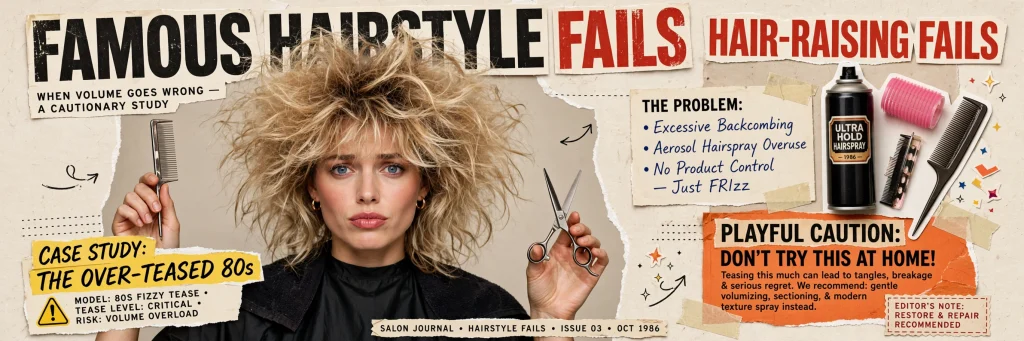
Even the biggest stars have had their share of hair disasters. From red carpets to magazine covers, these unforgettable hair moments remind us that experimenting is fun — but some looks are better left in the past. This lighthearted roundup celebrates the most infamous hairstyle fails of all time, not to mock anyone, but to help you learn what to avoid on your own hair journey.
Every bad hair day has a lesson hidden in it. Whether it is a dye job gone wrong or a cut that missed the mark, each of these 50 looks teaches us something valuable about working with your hair instead of against it. So grab some popcorn, have a laugh, and take notes — because the best hairstyle is always an informed one.
50 Worst Celebrity Hairstyles
1. The Crunchy Gelled Spikes
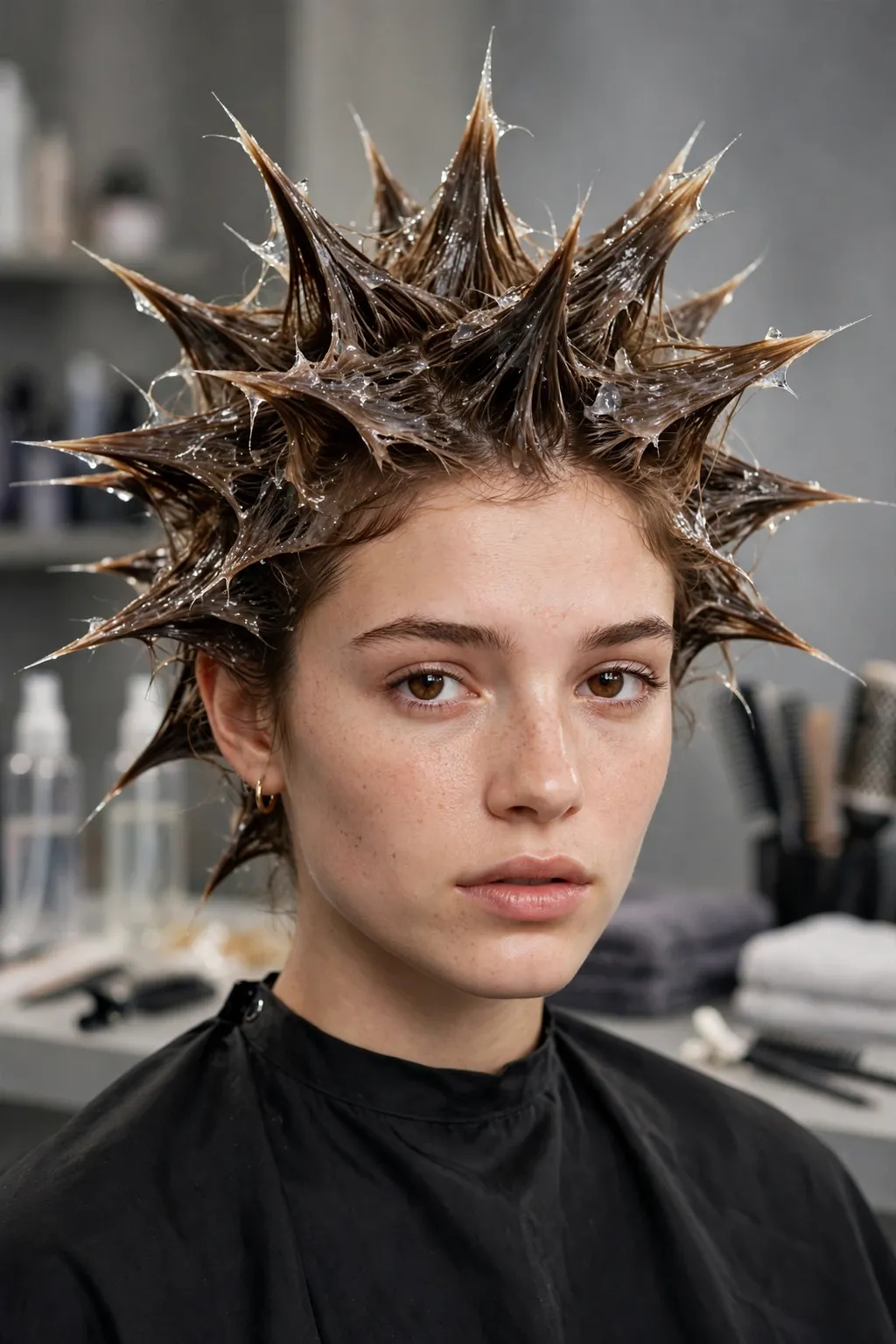
There was a time when the crunchier the spikes, the cooler you were — or so everyone thought. This look involved an entire tub of maximum-hold gel sculpted into stiff, gravity-defying points that could probably survive a windstorm. The result was hair that looked less like hair and more like a porcupine costume.
The lesson here is that product should enhance your hair’s natural movement, not freeze it into a sculpture. A pea-sized amount of modern matte paste gives you texture without the crunch. Your hair should move when you do — that is the whole point of having it.
2. Frosted Tips Gone Wrong
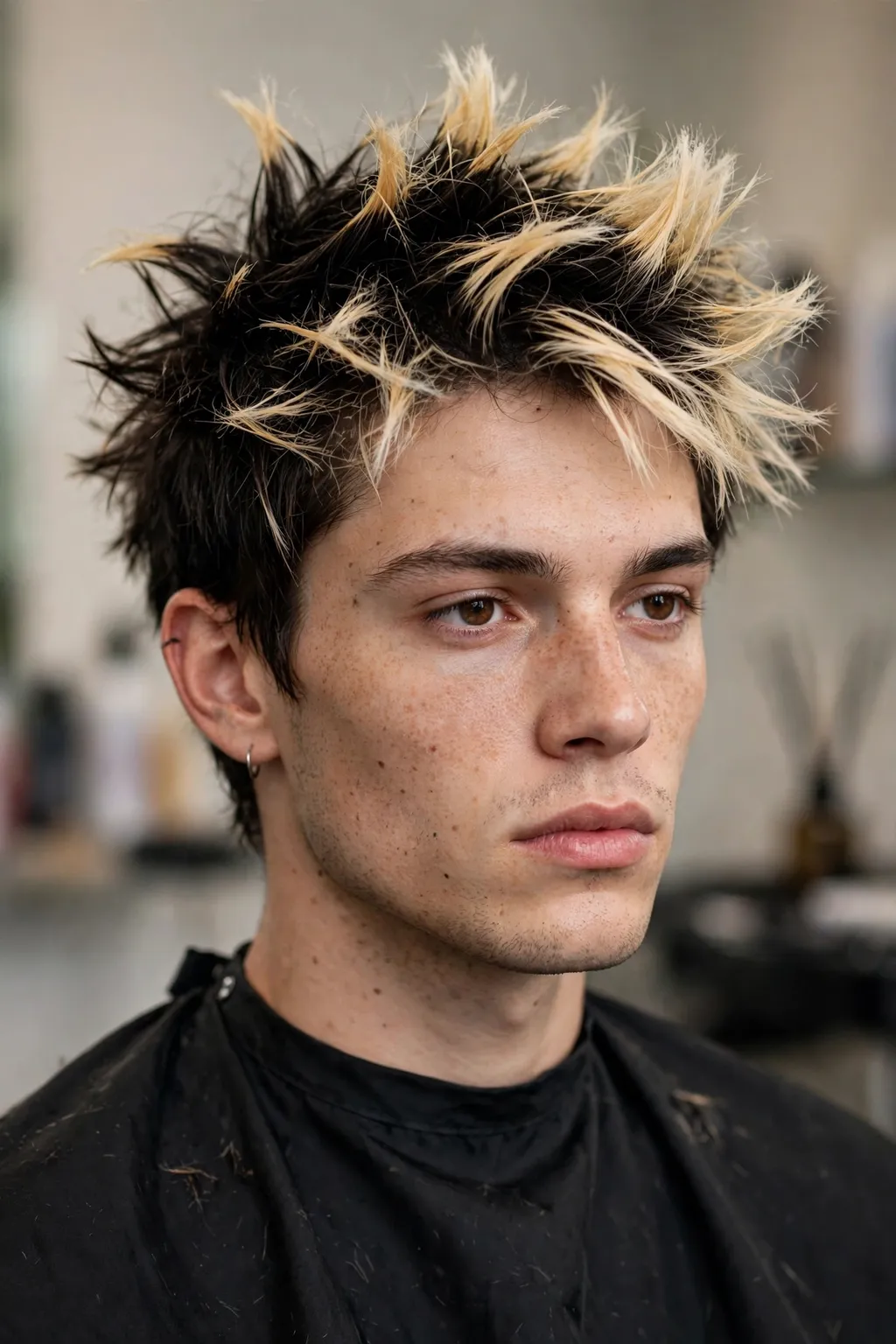
Blonde-tipped spikes were the uniform of an entire era, but when done badly they looked like someone had dipped just the ends of the hair in correction fluid. The stark contrast between dark roots and bleached tips created a two-tone effect that aged the look instantly.
Modern highlighting is all about softness and blend. If you want dimension, ask for balayage or babylights that melt into your base color. Harsh lines belong on paper, not on your head.
3. The Over-Bleached Breakage
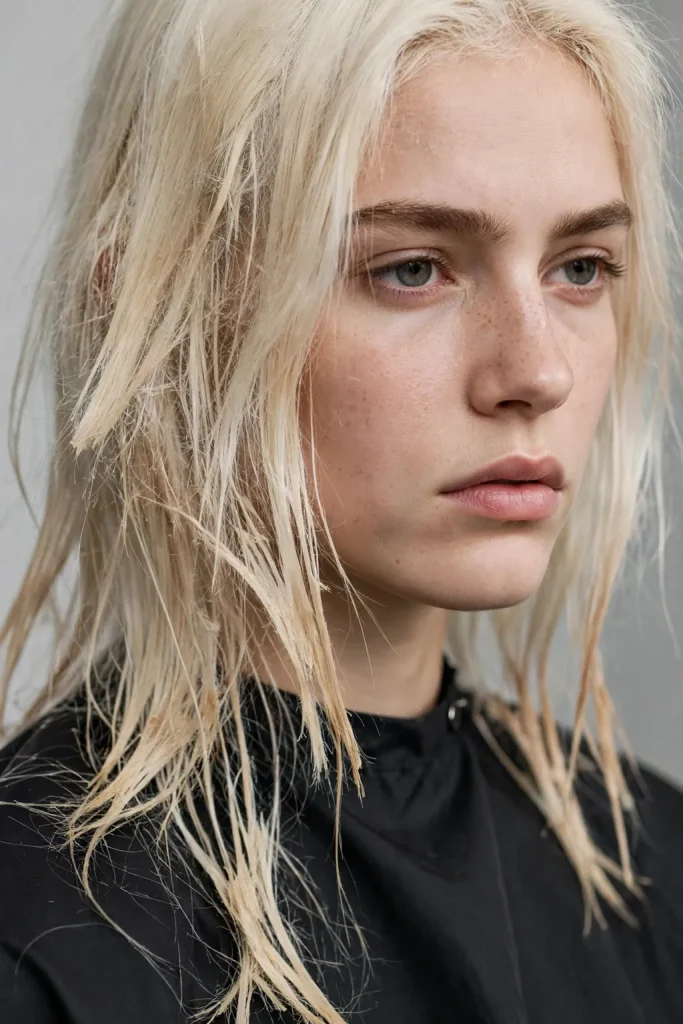
Chasing platinum is a journey, but rushing it turns hair into straw. This infamous fail happens when hair is bleached repeatedly without proper care, leaving it stretchy, gummy when wet, and snapping off at the slightest touch. No style can save hair that has lost its integrity.
The takeaway is patience and professional help. Lift in sessions, never all at once, and invest in bond-building treatments. Healthy hair always looks better than the perfect shade on damaged strands.
4. The Uneven DIY Bangs
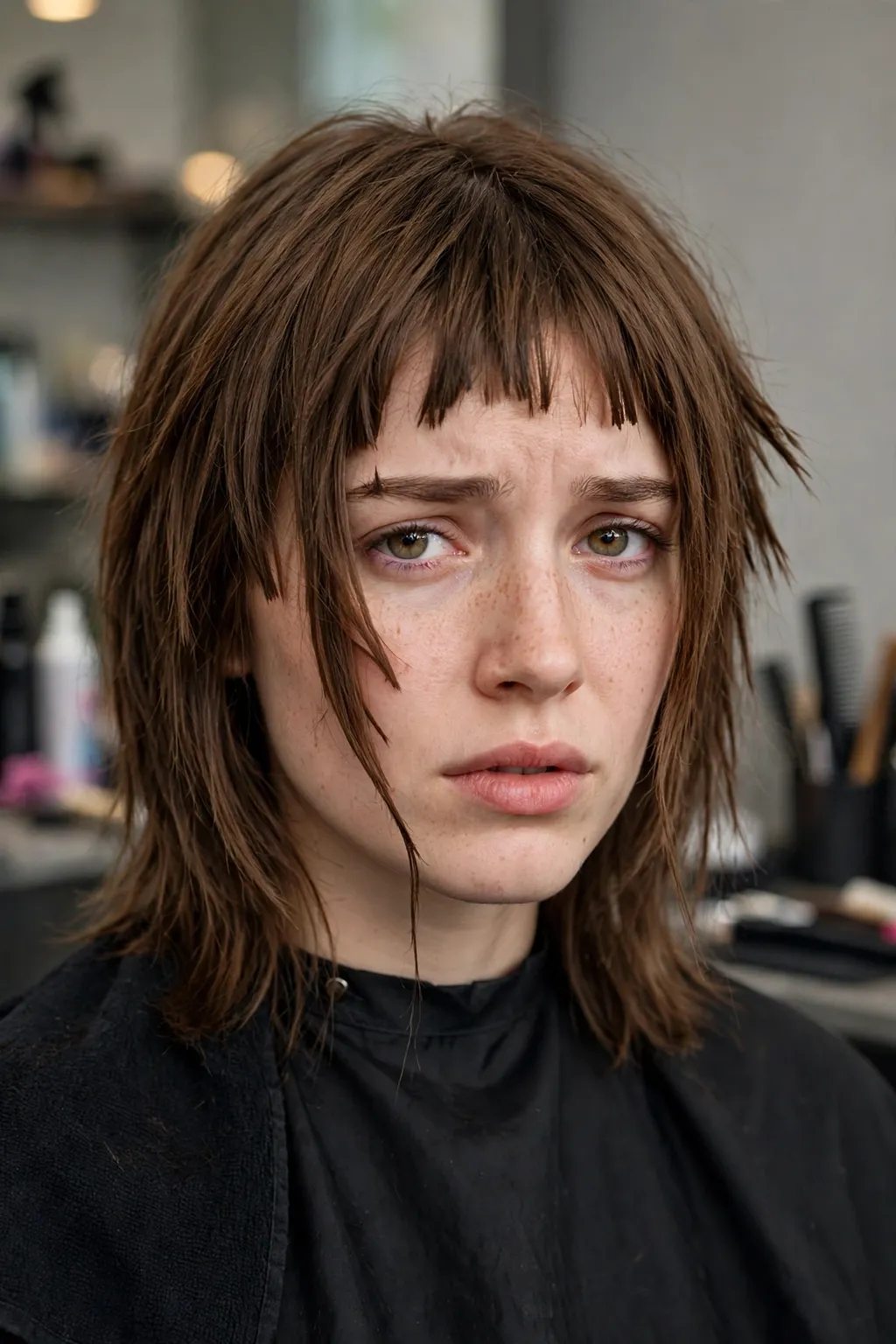
We have all been tempted by the mirror and a pair of kitchen scissors at midnight. The result is almost always the same: one side noticeably longer than the other, jagged edges, and bangs that sit at a mysterious angle. Bangs cut dry and in a hurry rarely end well.
If you must trim at home, do it on dry hair, cut less than you think, and point-cut vertically instead of straight across. Better yet, let bangs be a salon job — the fix for a bad DIY fringe is usually growing it out for months.
5. The Bowl Cut Disaster
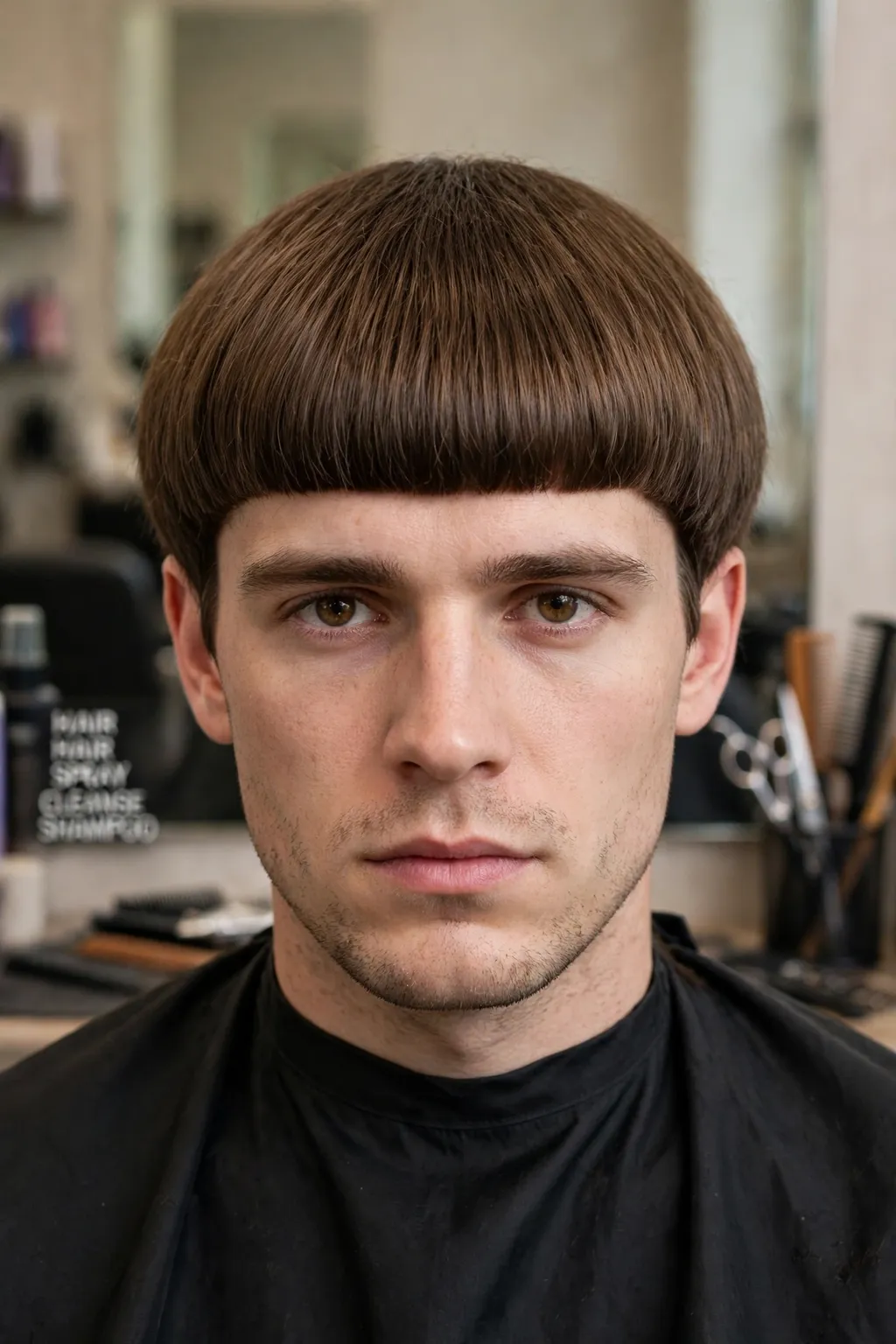
The bowl cut is the haircut equivalent of a bad report card photo. Hair cut in one blunt circle around the head with no layering or graduation looks dated and unflattering on almost everyone. It is the cut that launched a thousand childhood traumas.
Modern short cuts work because of texture and graduation. If you love a rounded shape, ask for a soft bob with internal layers instead. Shape without texture is just a helmet.
6. The Skunk Stripe Misfire
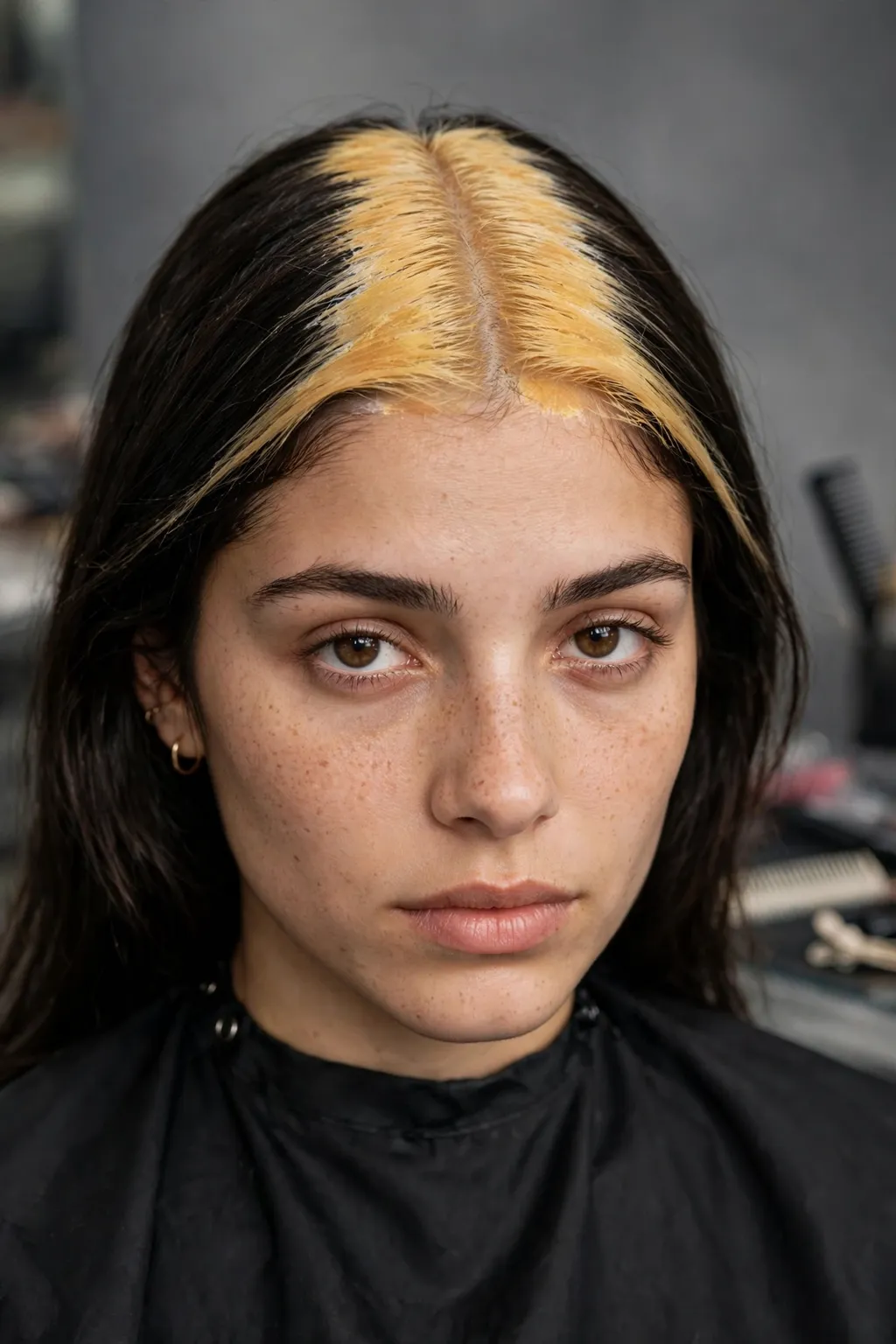
A bold stripe of contrasting color down the part can look edgy and cool — when it is intentional and clean. The fail version is a stripe that is too wide, too yellow, or placed so it looks like a regrowth accident rather than a statement. Instead of punk rock, it reads as a dye job gone rogue.
Statement color needs precision. Keep the stripe slim, keep the tone clean with proper toner, and keep the rest of the hair healthy so the contrast looks deliberate. Bold only works when it looks like a choice.
7. The Mullet Meltdown
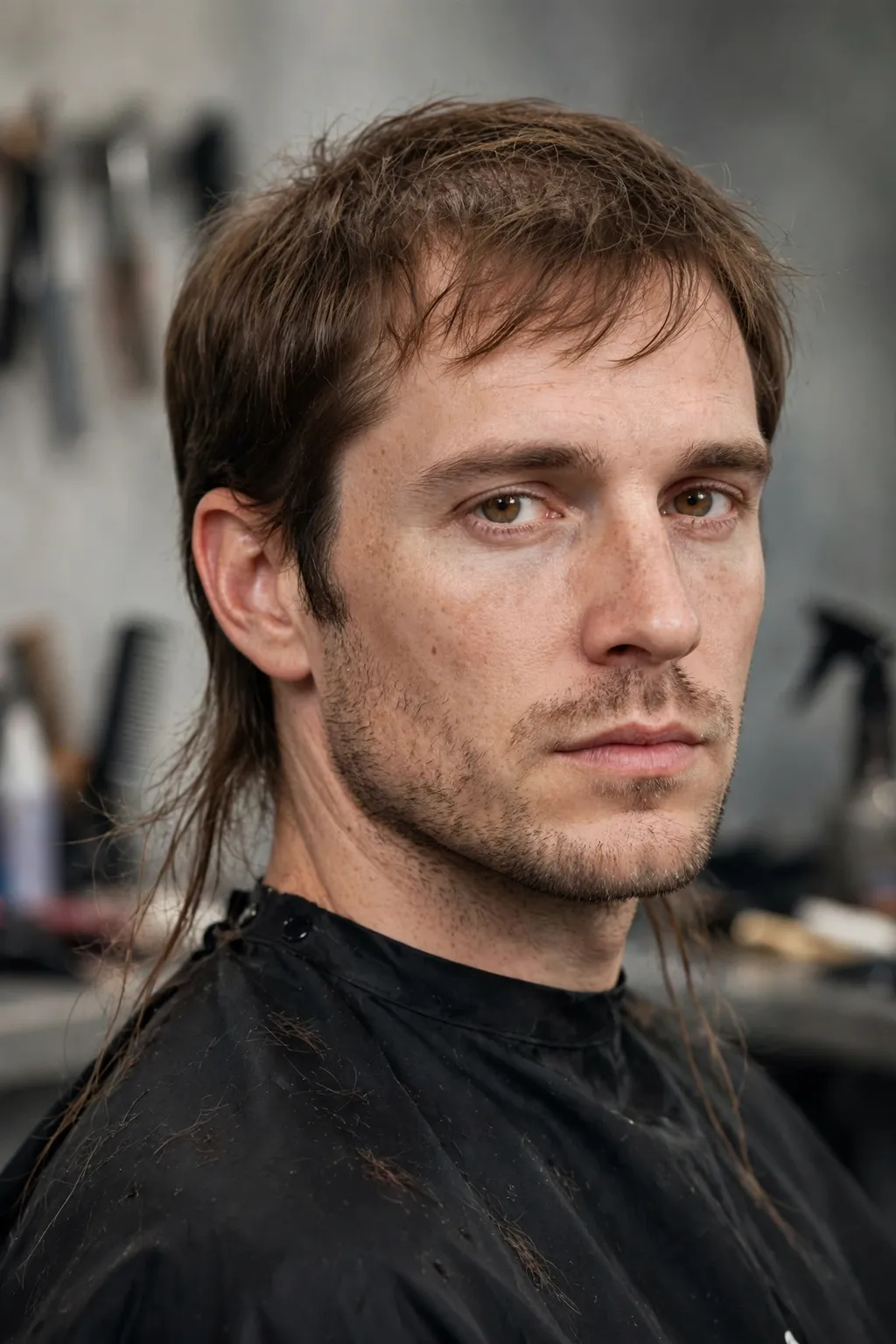
Business in the front, party in the back — the mullet is iconic, but the failed version is all party and no business. When the top is left flat and lifeless while the back grows into a straggly tail, the whole thing reads as neglected rather than nostalgic.
A good modern mullet needs balance: texture on top, deliberate length in the back, and regular trims to keep the shape intentional. Without maintenance, any edgy cut slides into accidental territory fast.
8. The Towering Teased Crown
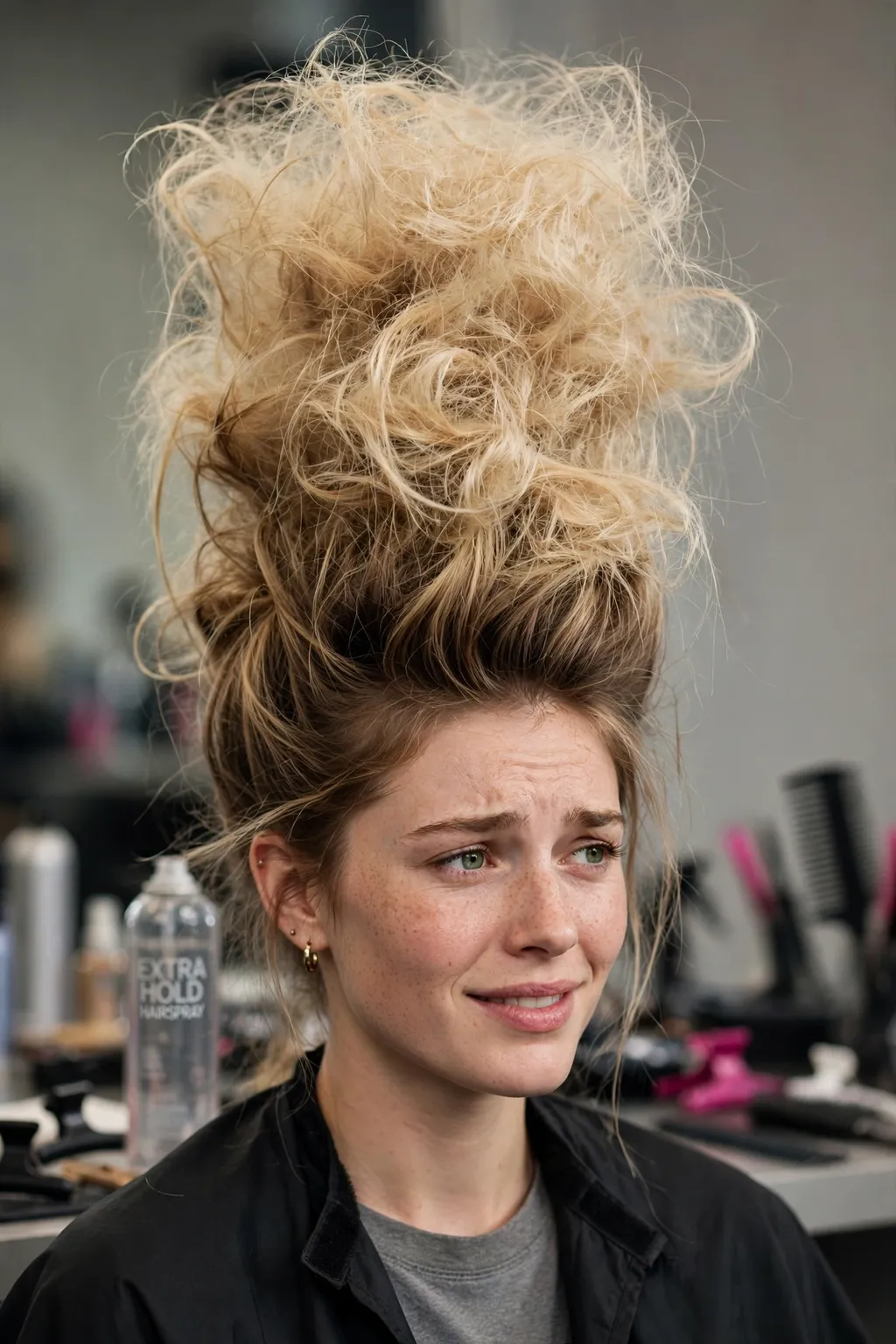
Volume is wonderful; a teased crown that adds six inches of height is a different story. This fail comes from backcombing the crown into a solid, immovable mass that looks like a separate entity sitting on the head. It photographs badly and feels worse.
Tease strategically and sparingly, then smooth the top layer over it. The goal is lift that looks effortless, not architecture. If your hair can stand up on its own, you have gone too far.
9. The Perm Explosion
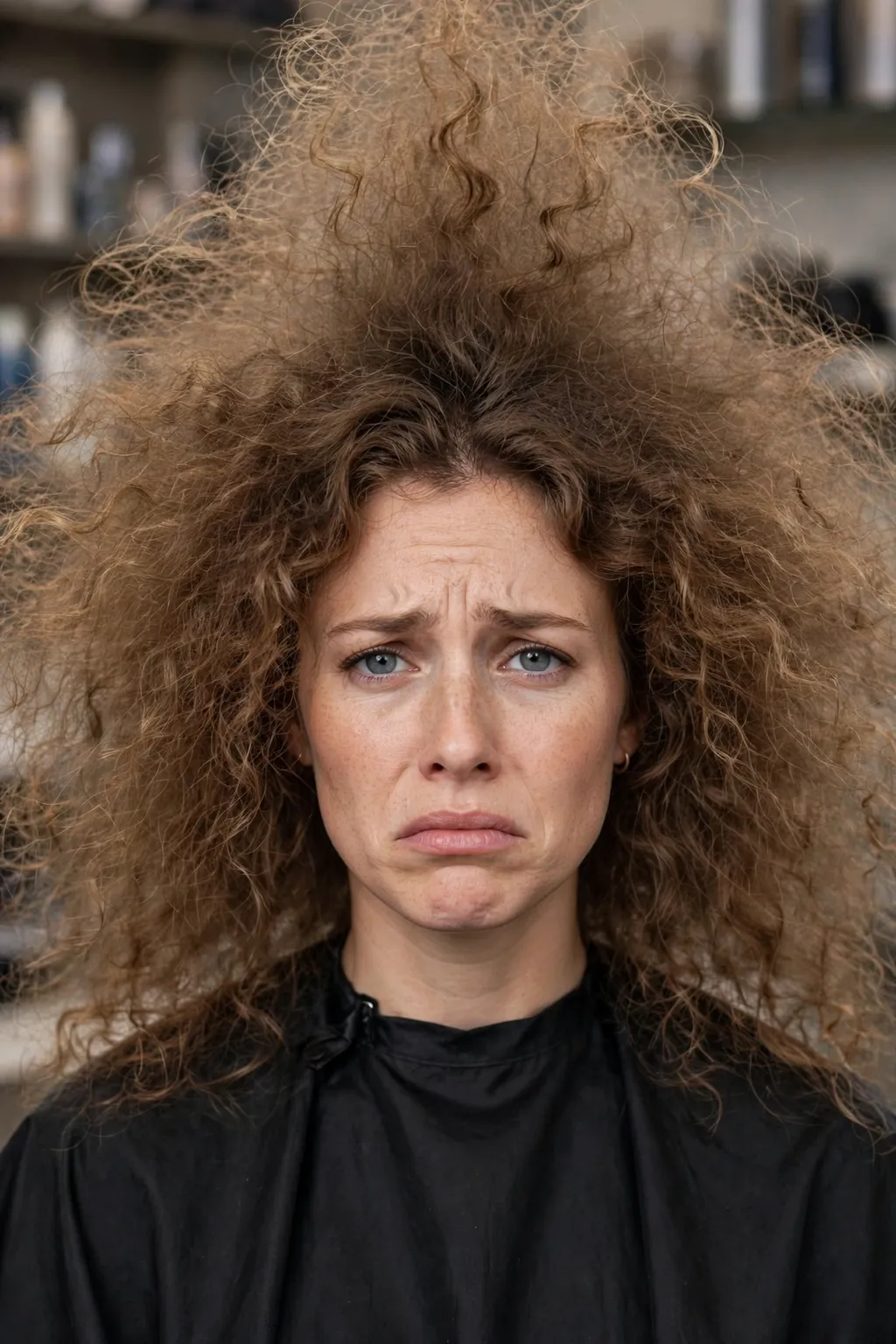
Perms can be gorgeous, defined curls — or they can be a frizzy triangle of chaos. The explosion happens when tight perm rods meet the wrong hair type with no shaping afterward, creating a wide, shapeless mass that grows outward instead of falling naturally.
The lesson is that curls need shape, not just curl. Layers control the silhouette, and the right rod size matters more than the tightest curl. Always get a perm cut designed for curly hair, not a straight-hair cut with curls added.
10. The Half-Shaved Regret
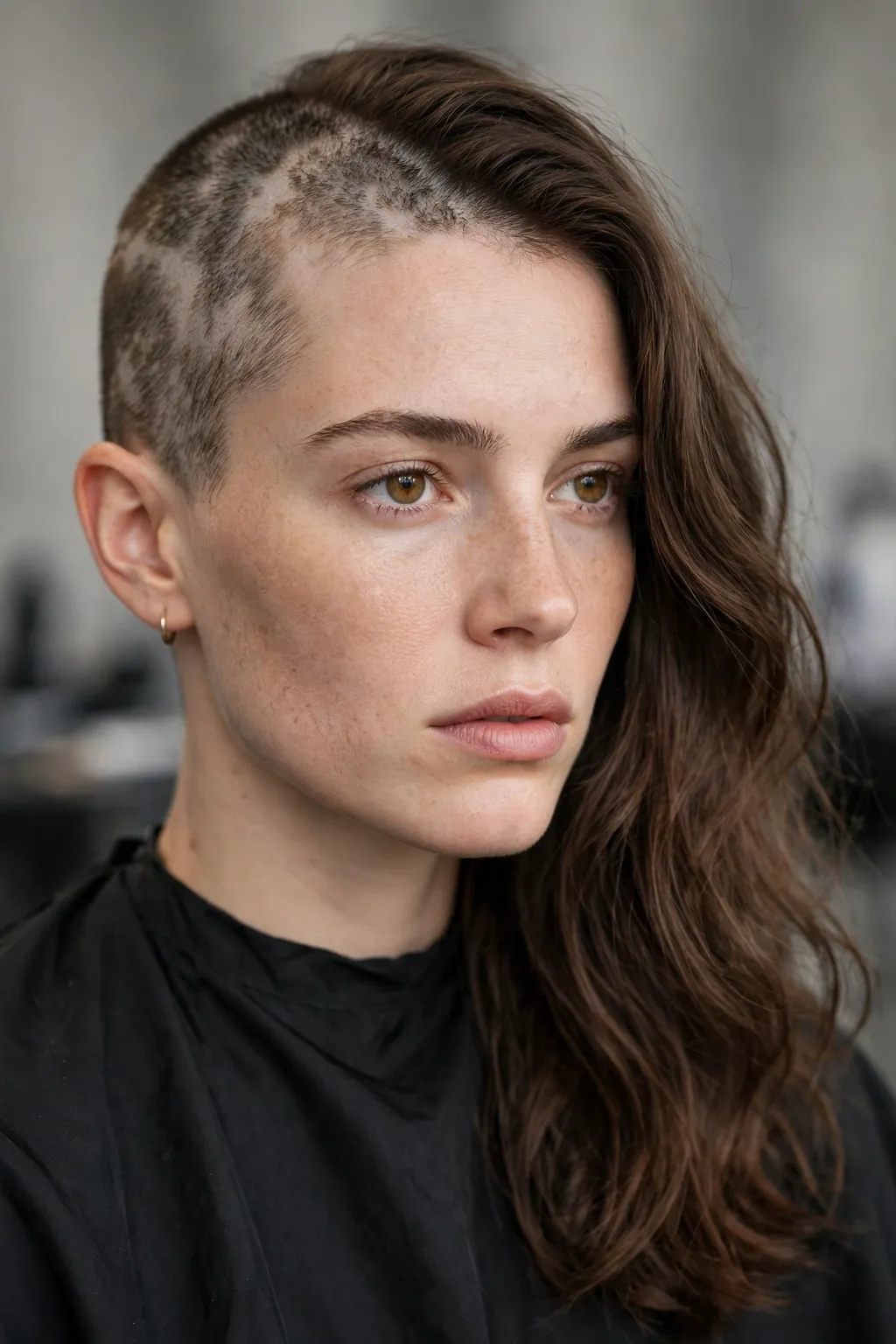
Shaving one side of your head is a bold statement — until the grow-out begins. The regret phase is months of awkward, patchy regrowth that refuses to blend, with one side long and flowing and the other stuck in an eternal in-between length.
Before you shave, have a grow-out plan. Buzz the shaved side gradually longer in stages, or commit to keeping it shaved. The awkward phase is real, but it is survivable with a plan and a good stylist.
11. The Flat-Ironed-to-Death Look
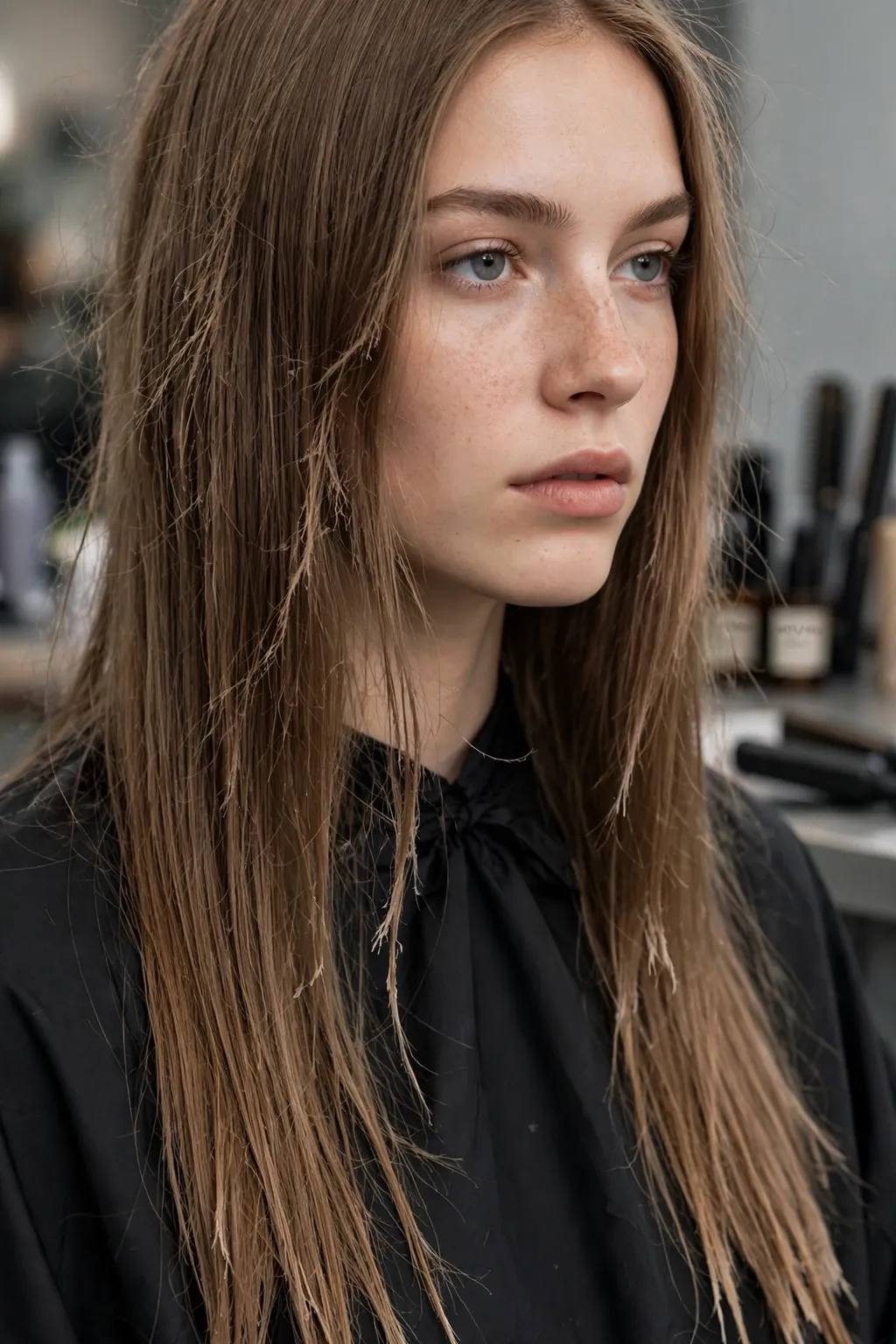
Poker-straight hair can be stunning, but daily high-heat flat ironing without protection cooks the hair shaft. The failed version is hair that is straight but lifeless — dull, thin at the ends, and covered in tiny broken flyaways that no serum can fully hide.
Heat protectant is non-negotiable, and so are rest days. Alternate straight styles with your natural texture, keep the iron at the lowest effective temperature, and trim regularly. Sleek should never come at the cost of health.
12. The Stringy Wet Look
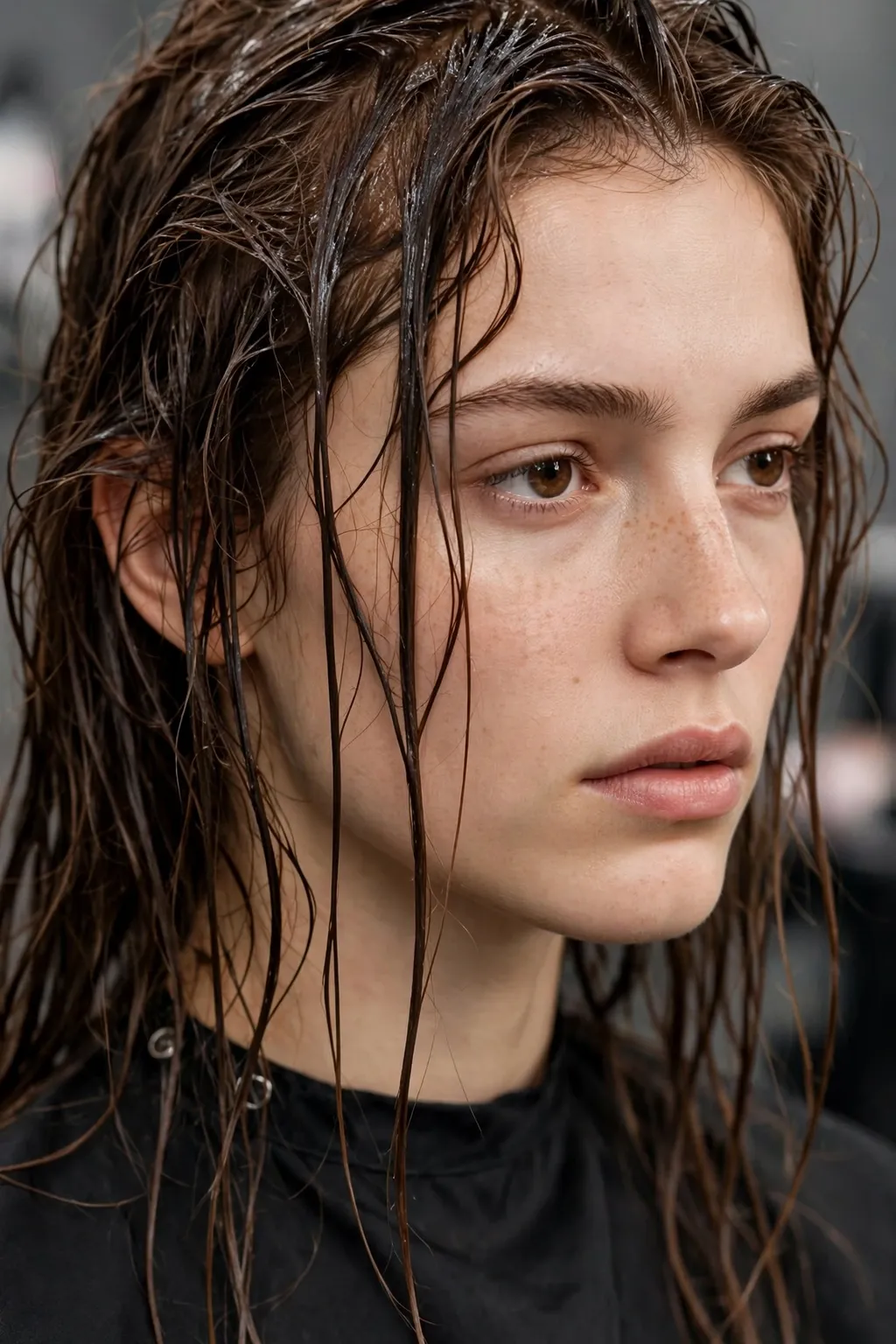
The wet look is a red-carpet staple when done with intention — glossy, sculpted, and deliberate. The fail is hair that just looks unwashed: stringy, separated into limp strands, with product concentrated at the roots and nothing holding the ends. Instead of high fashion, it reads as a skipped shower.
The trick is even product distribution and the right finish. Use a gel-cream cocktail combed through from roots to ends, and set it so it stays put. Wet look is a style, not an excuse.
13. The Patchy Box-Dye Job
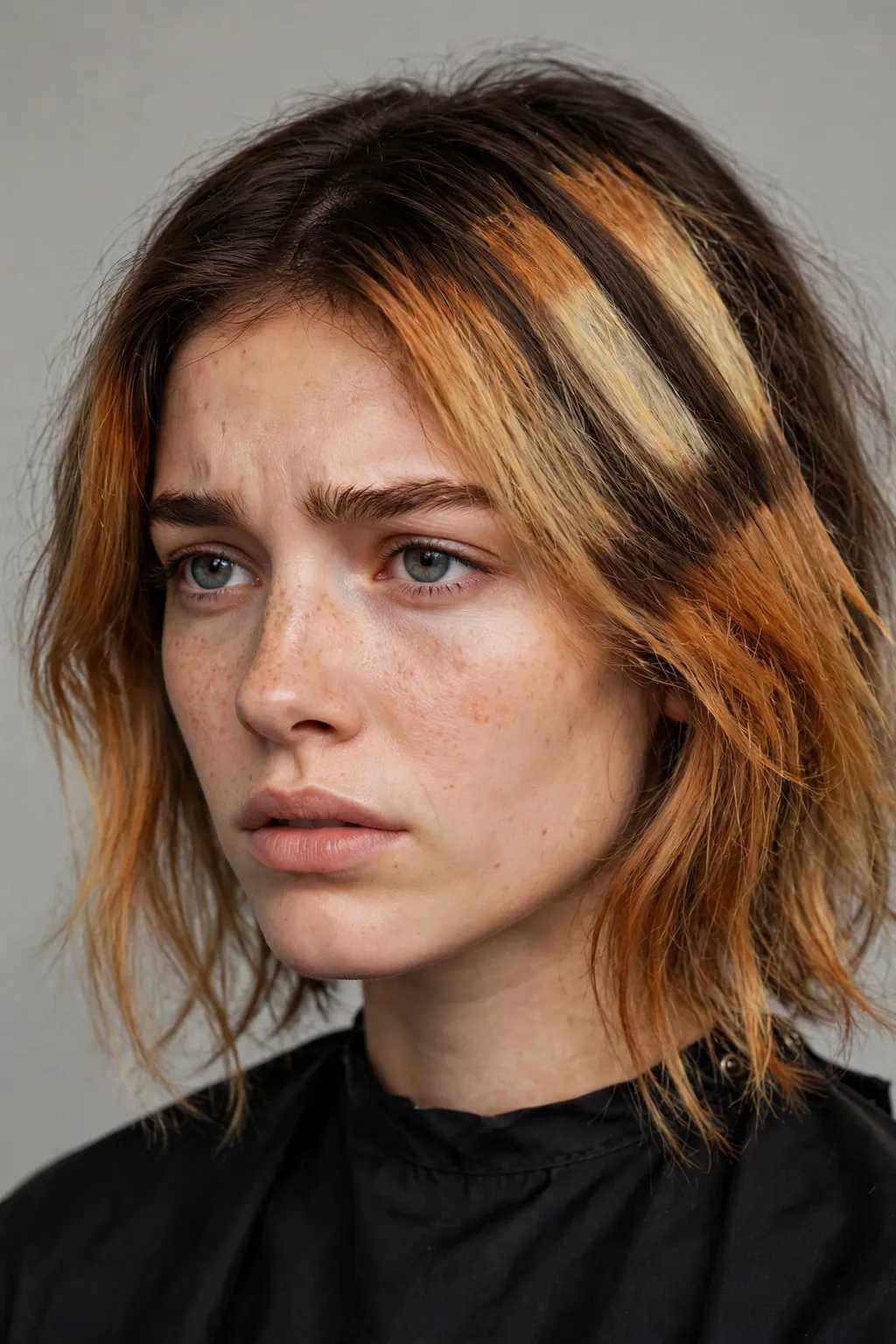
Box dye promises salon color at home, but one misstep leaves patchy, uneven results — darker at the roots, brassy at the ends, and a mysterious stripe where the color overlapped. The fail is unmistakable: color that changes shade every few inches.
If you color at home, apply to the lengths first and roots last (roots process faster from scalp heat), work in sections, and never overlap previously colored hair. Or better yet, let a professional handle major color changes.
14. The Harsh Grow-Out Roots
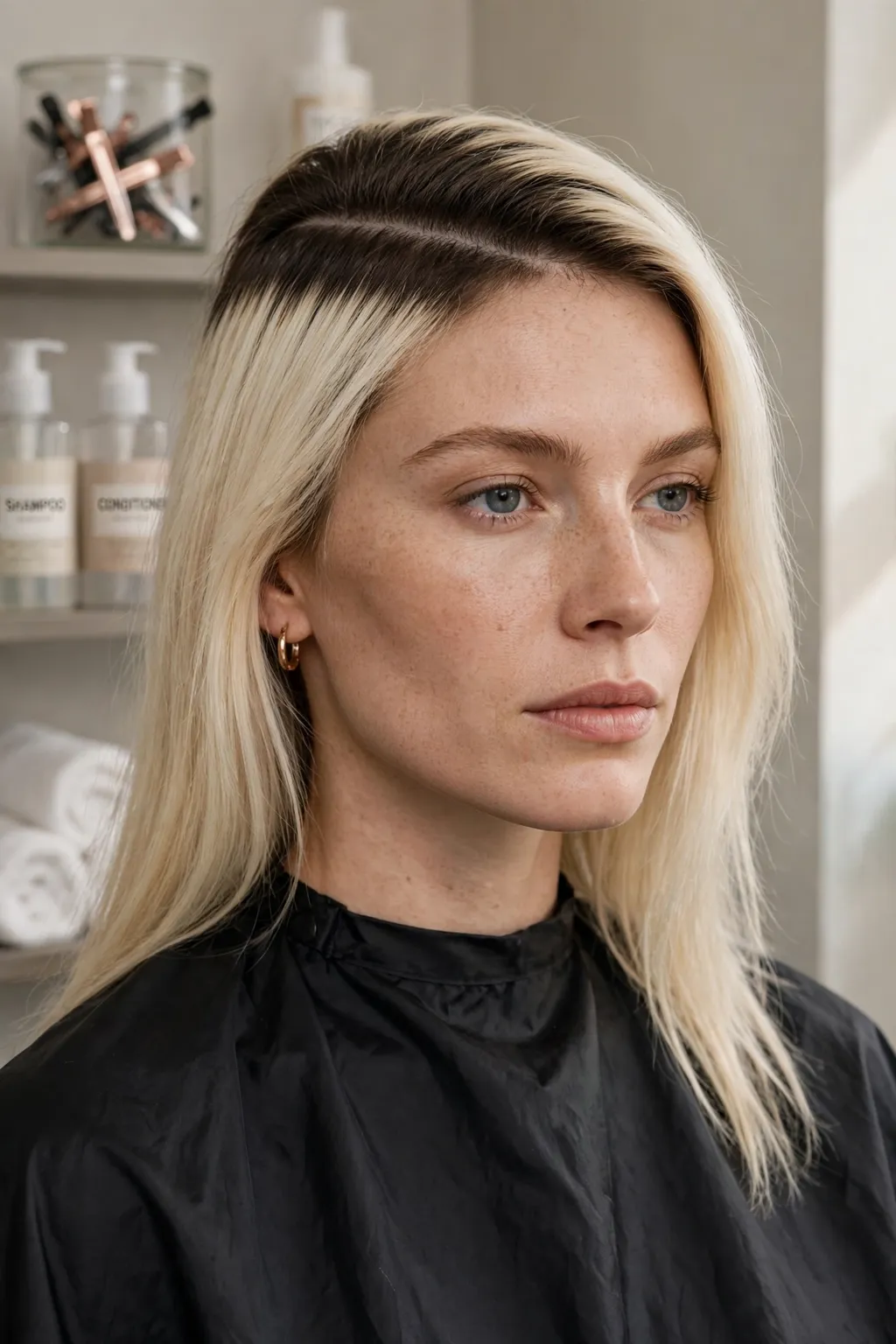
A little root shadow can be chic; a harsh, straight-across line of dark regrowth against bleached lengths is not. This fail happens when touch-ups are skipped for months, creating a visible stripe that makes the whole color look accidental.
Plan your maintenance before you commit to high-contrast color. Root smudges, lived-in balayage, and softer contrasts grow out gracefully. The best color is the one you can actually maintain.
15. The Orange Bleach Mishap
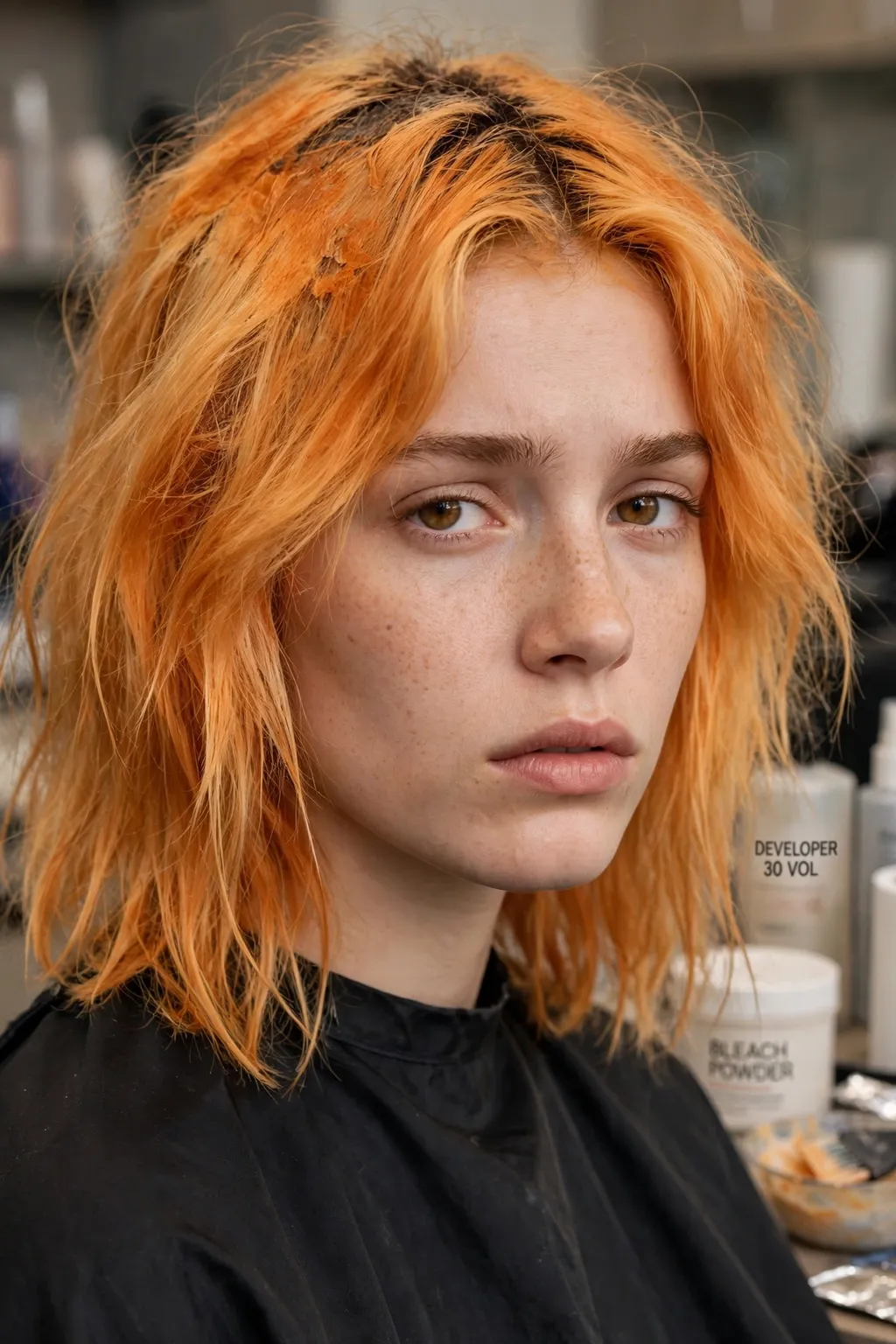
Bleach lifts through stages — red, orange, yellow — before reaching pale blonde. The mishap is stopping at orange and calling it done, either from impatience or from toning with the wrong shade. The result is a brassy, pumpkin-toned color nobody asked for.
Understand the lifting process and do not skip steps. If your hair lifts to orange, it needs more lift or a proper toner formulated for that level, not wishful thinking. Patience is a colorist’s best tool.
16. The Green Pool-Tint
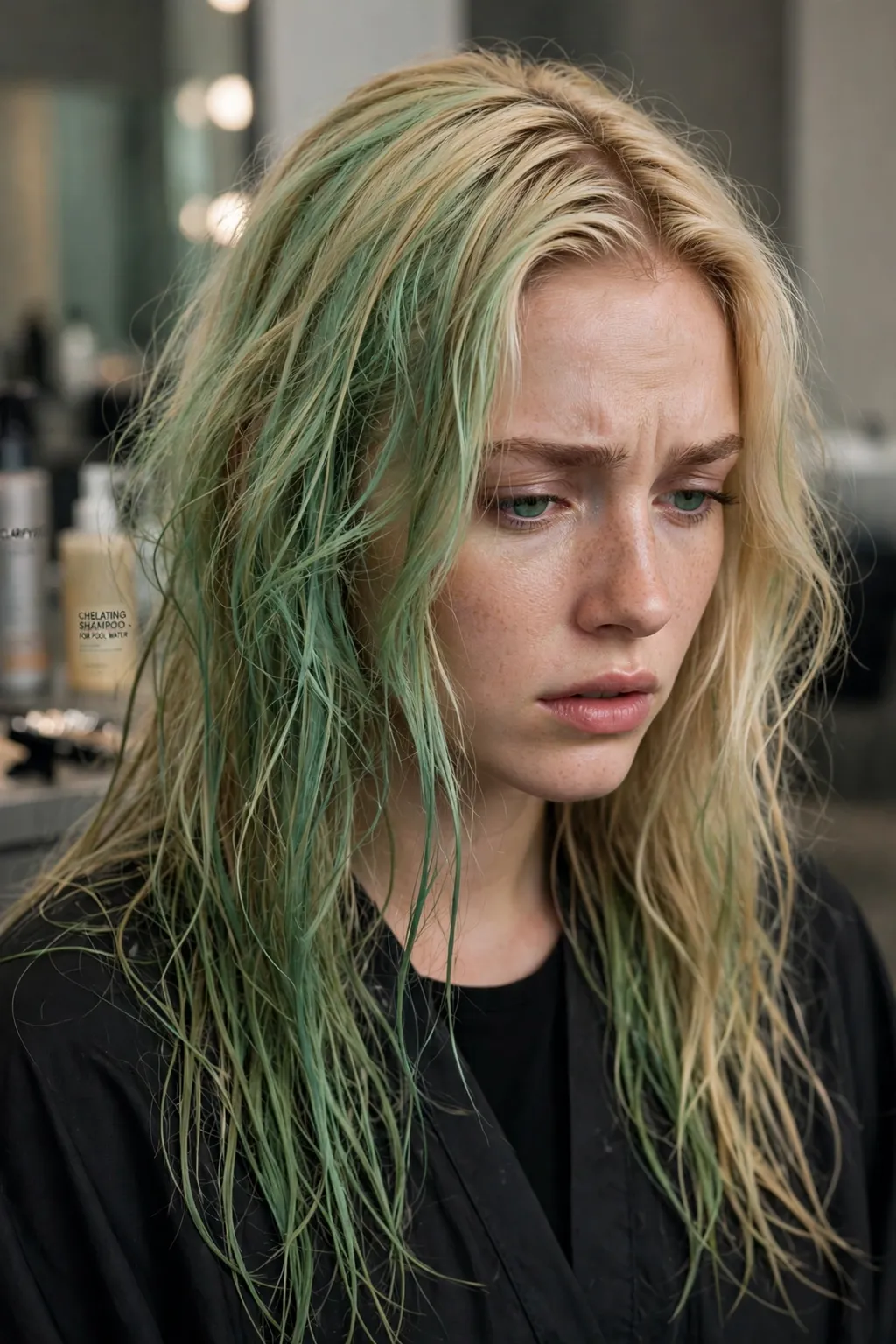
Blonde plus chlorine equals green — the classic summer surprise. This fail turns fresh blonde hair a swampy green tint after a few pool sessions, and it is notoriously stubborn to remove. It is chemistry, not a style choice.
Prevention is everything: wet your hair with clean water before swimming, wear a swim cap, or use a protective leave-in. If the green appears, a clarifying treatment or a professional toner can rescue it.
17. The Zebra-Stripe Highlights
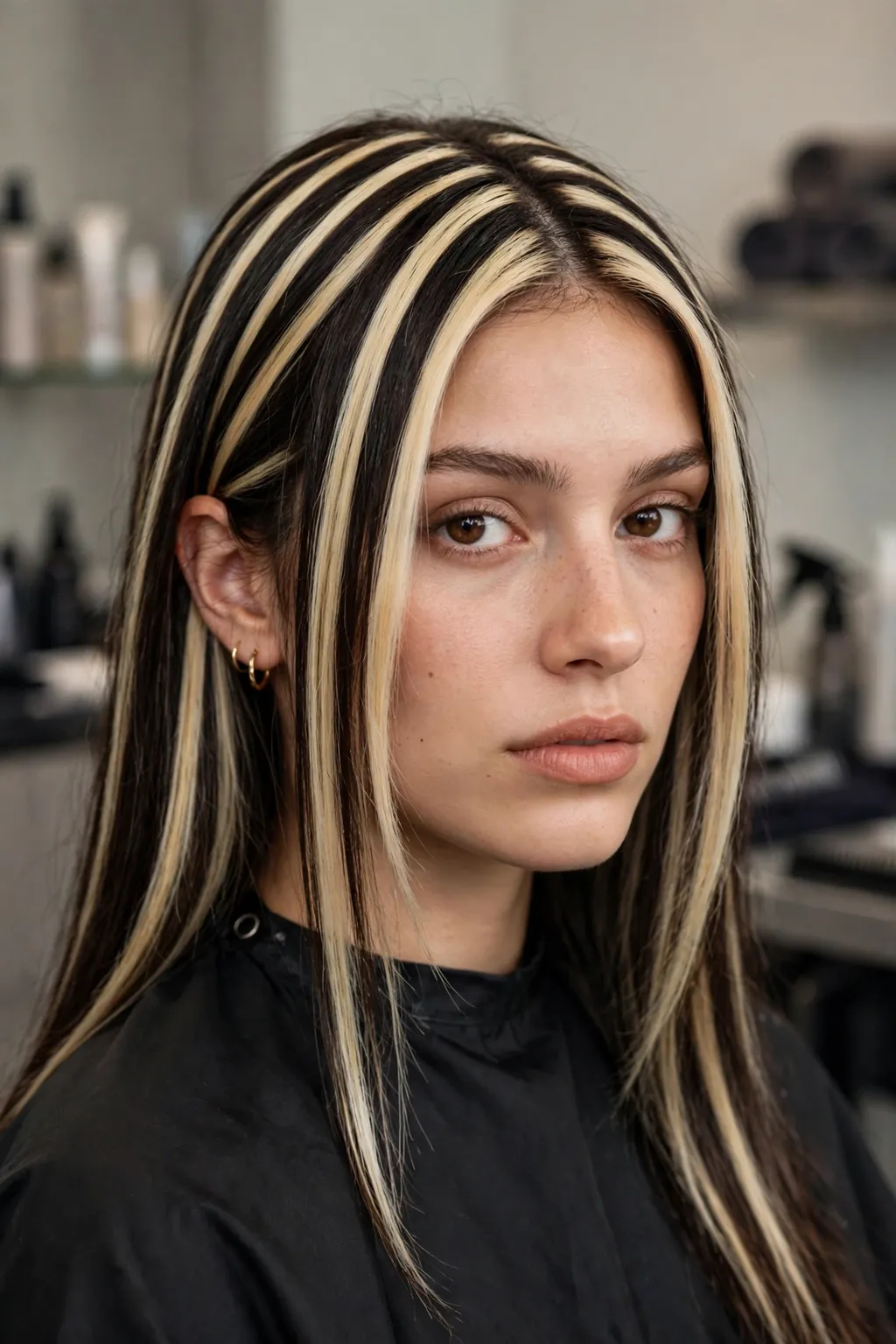
Highlights should create dimension, not stripes. The zebra fail is thick, evenly spaced blonde chunks against dark hair with no blending — a pattern so regular it looks printed on. It was a whole era, and it has not aged well.
Modern highlighting uses varied placement, fine weaves, and melted roots. Ask for dimension that looks like it could be natural. If your highlights have a visible pattern, they are too chunky.
18. The Chunky 2000s Streaks
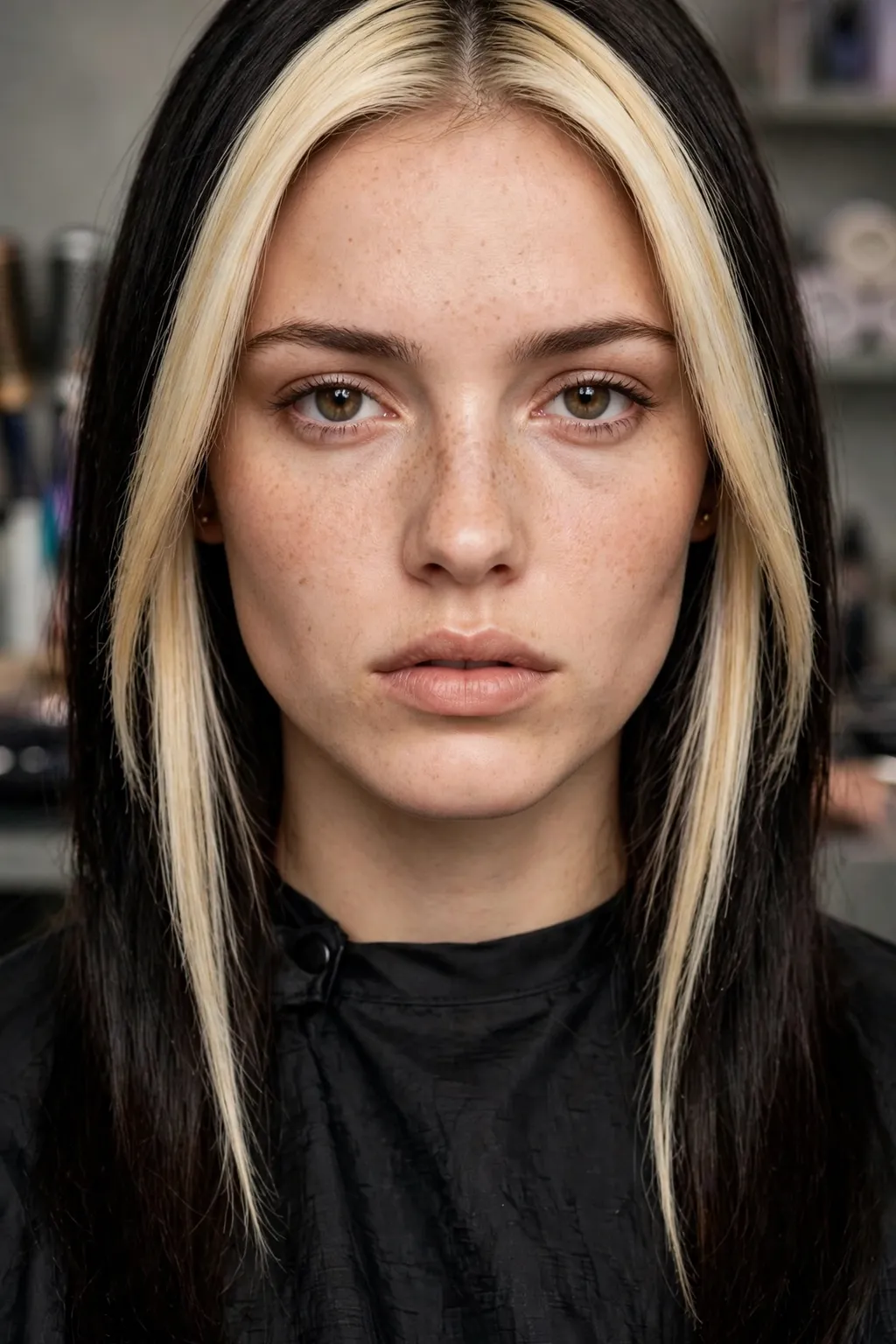
A close cousin of the zebra stripe, the chunky streak placed two thick blonde pieces framing the face and called it a day. The contrast was so stark and the placement so sparse that it looked unfinished rather than edgy.
Face-framing pieces still work beautifully — they just need to be finer, softer, and blended. The money piece trend of today is the grown-up, refined version of this idea. Evolution beats repetition.
19. The Overdone Ombre Line
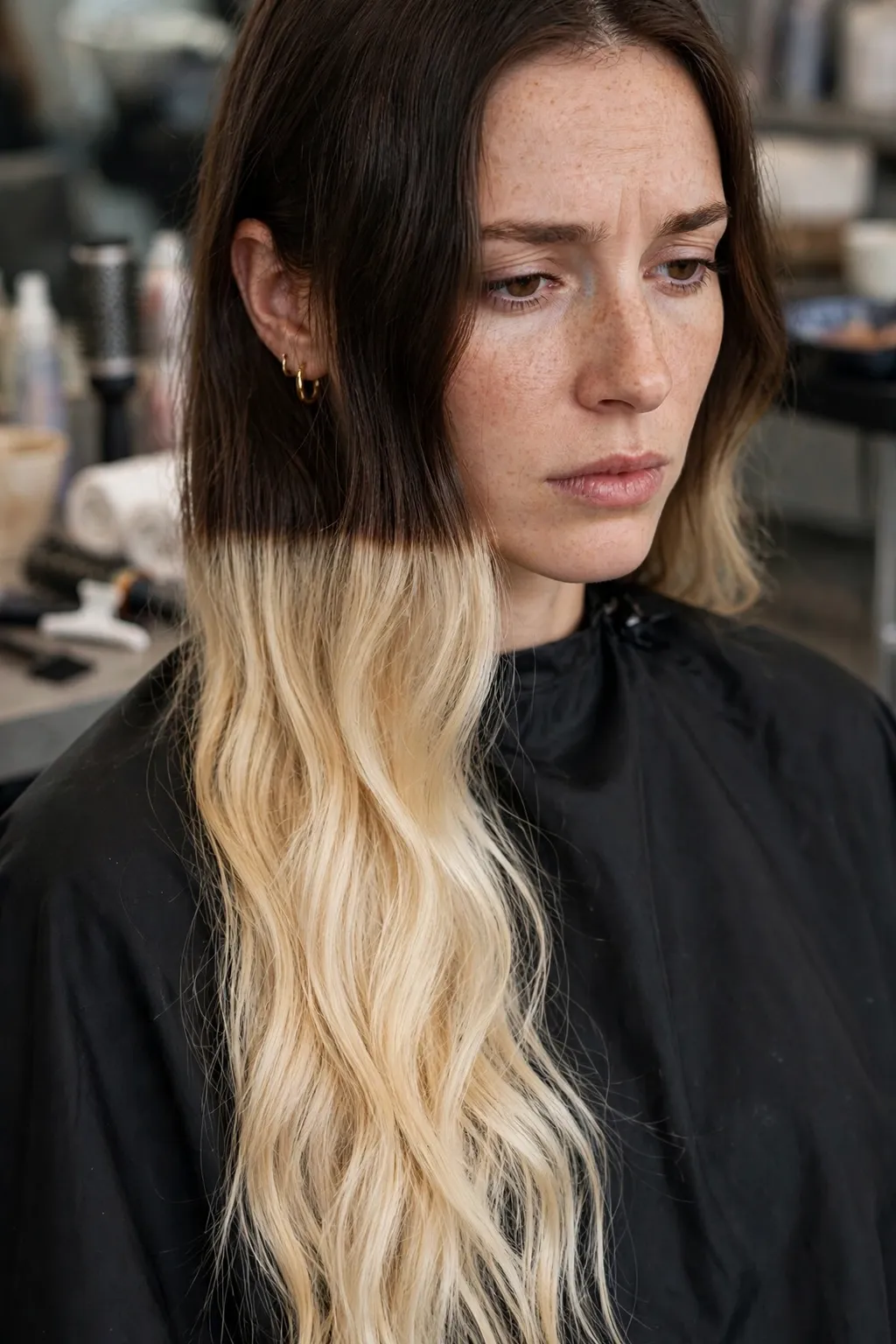
Ombre is meant to be a soft gradient from dark to light. The fail is a hard horizontal line where the dark stops and the light begins, like a two-tone dye job with no transition. It looks like the colorist gave up halfway.
A good ombre melts — there should be no place where you can point to the exact line of change. Teasing, feathering, and proper blending create the gradient. If you can see the line, it needs more blending.
20. The Stripey Balayage
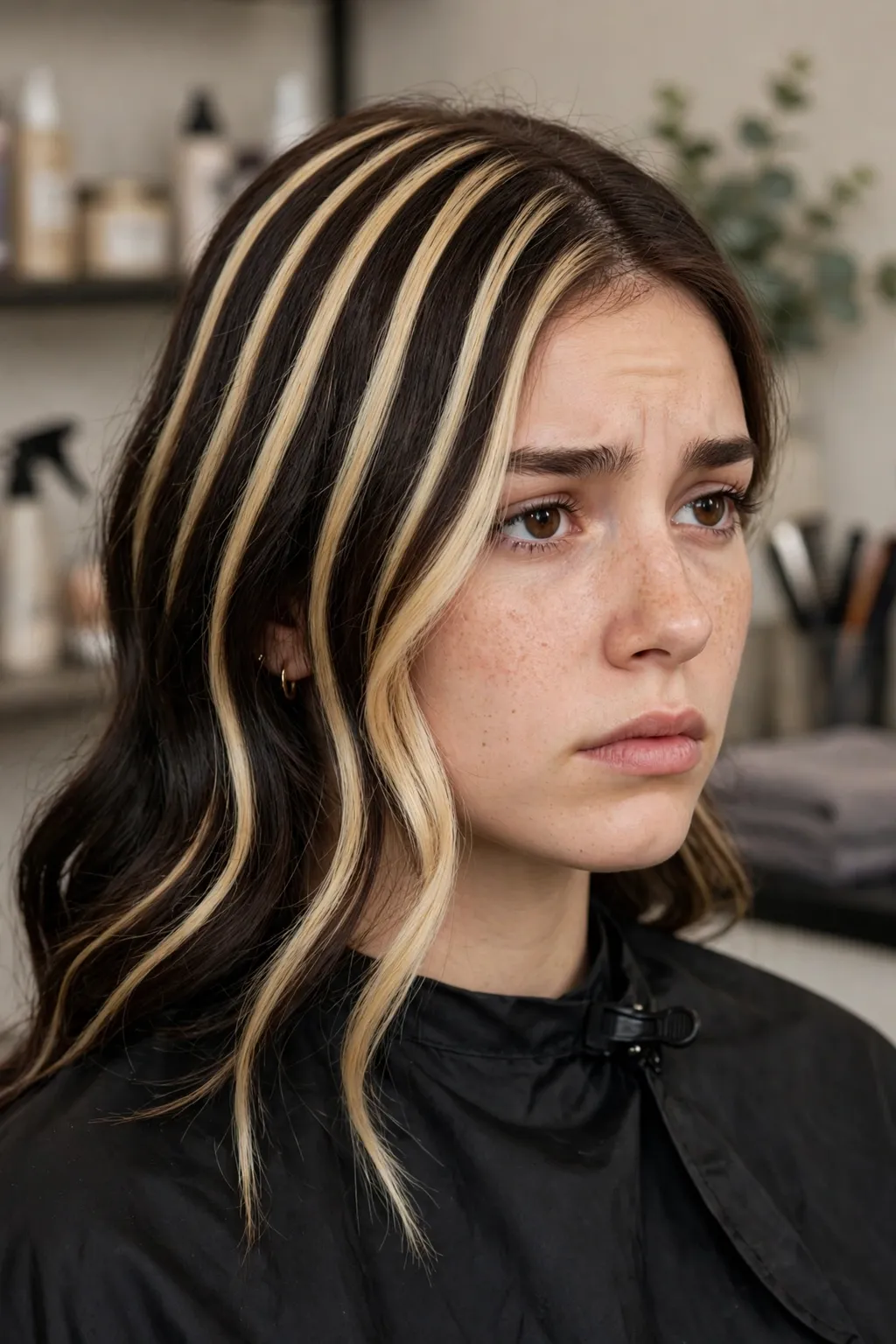
Balayage is hand-painted for a natural, sun-kissed effect. The fail is balayage applied in visible stripes with gaps of untouched hair between them, creating a tiger-stripe pattern instead of a seamless glow. It defeats the entire purpose of the technique.
Proper balayage uses soft, sweeping strokes with varied saturation and careful blending at the top. It should look like you spent a summer at the beach, not an afternoon under foils.
21. The Purple Shampoo Overdose
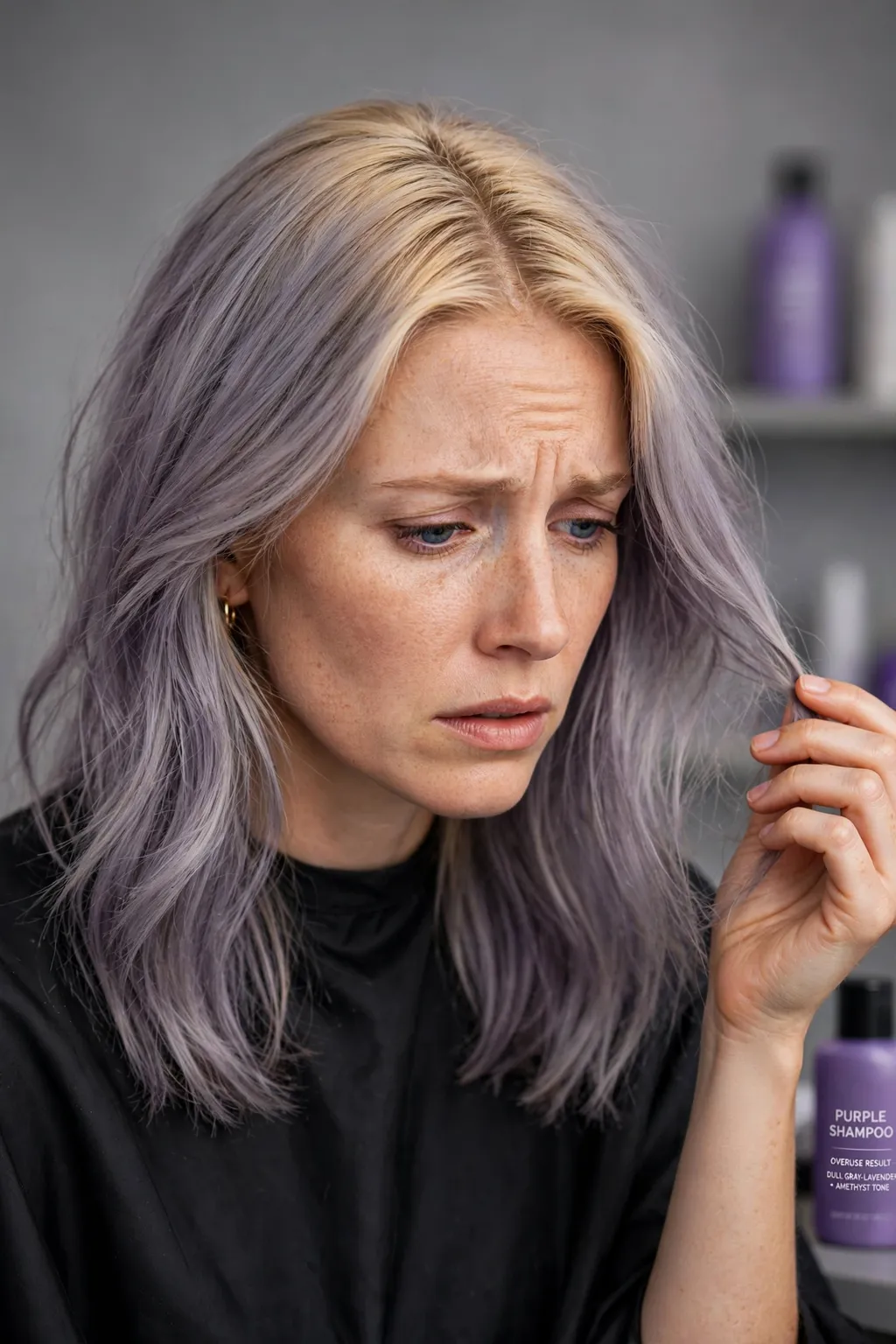
Purple shampoo keeps blonde bright by neutralizing yellow tones — but overuse tints the hair lavender or dull gray. The fail is blonde that has gone murky and lifeless from weeks of daily purple shampoo, looking more ashy-dirty than icy-clean.
Use purple shampoo once a week at most, and alternate with a regular hydrating shampoo. It is a toner, not a daily cleanser. More is not better when it comes to pigment.
22. The Slicked-Back Helmet
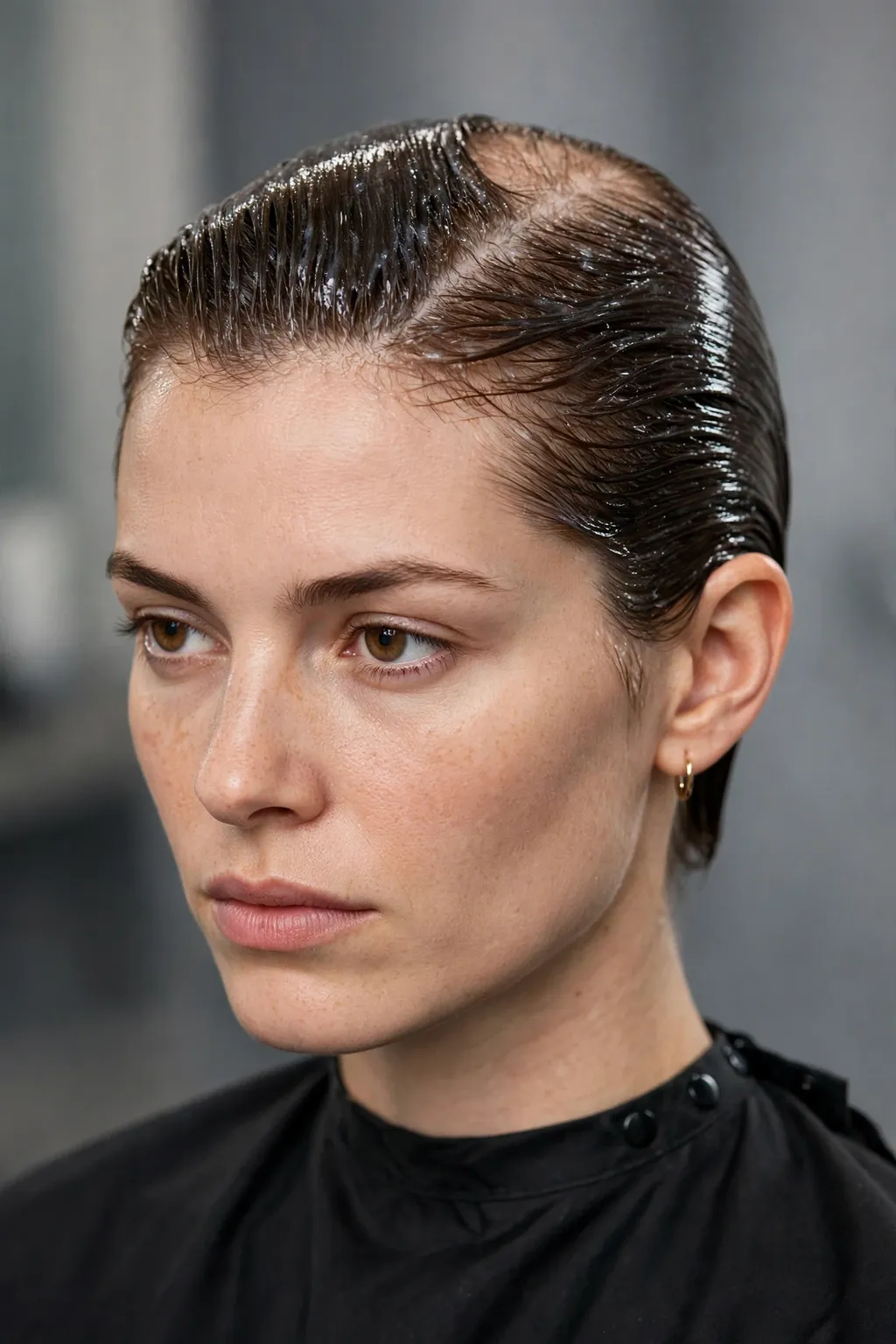
Slicked-back hair can look powerful and polished, but the helmet version uses so much product that the hair becomes a solid, shiny shell. Every strand is glued in place, the scalp shows through in an unflattering way, and the whole thing looks like a swim cap.
The fix is using less product and leaving some texture. Work a small amount through damp hair, comb it back loosely, and let a few pieces move naturally. Polished does not mean petrified.
23. The Spiked Liberty Fail
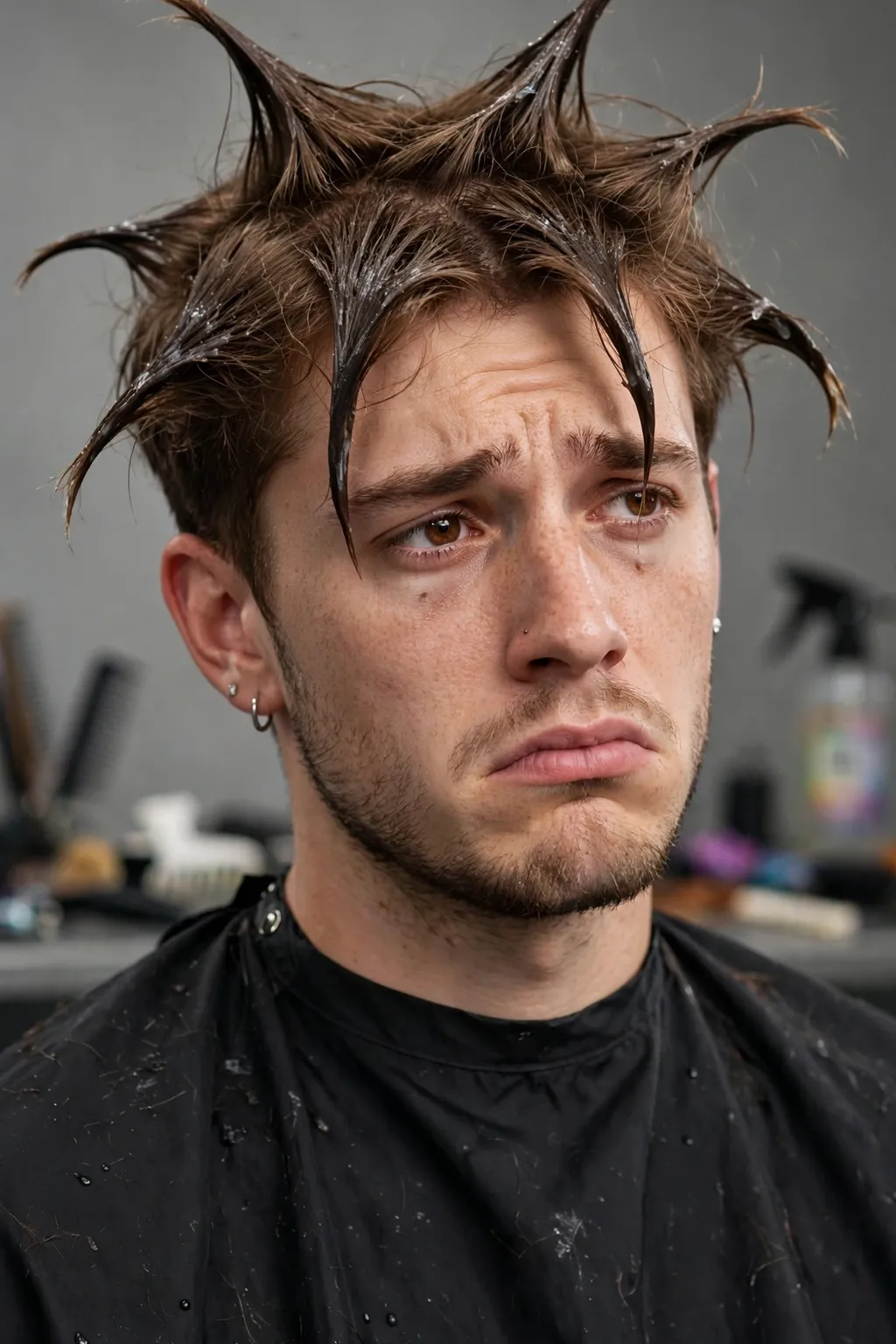
Liberty spikes are a punk statement — tall, proud, and deliberate. The fail is attempting them without enough product, structure, or commitment, resulting in sad, flopping spikes that lean in different directions like a wilting crown. It is punk without the punch.
If you are going for a statement style, commit fully: strong-hold product, backcombing for structure, and setting spray. Half-hearted punk just looks like a bad hair day with ambition.
24. The Emo Swoop Overload
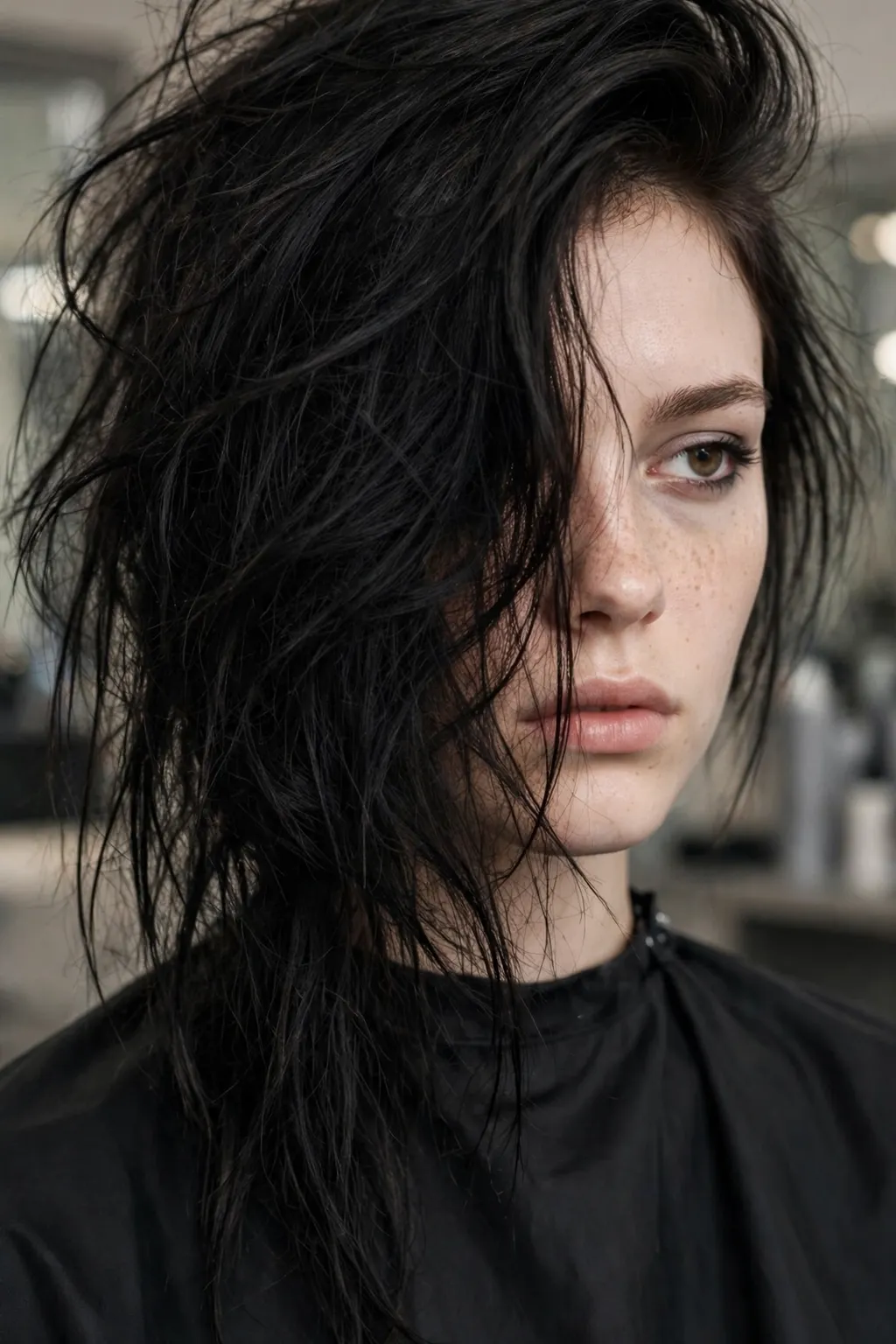
The deep side swoop covering one eye defined a generation, but the overload version took it too far — hair so long and heavy on one side that it obscured half the face completely and looked unkempt rather than cool. It also did the neck no favors.
Asymmetry works when it is balanced. Keep the swoop at a length that frames rather than hides, and maintain the rest of the cut so the long piece looks intentional. Mystery is good; invisibility is not.
25. The Rat Tail Relic
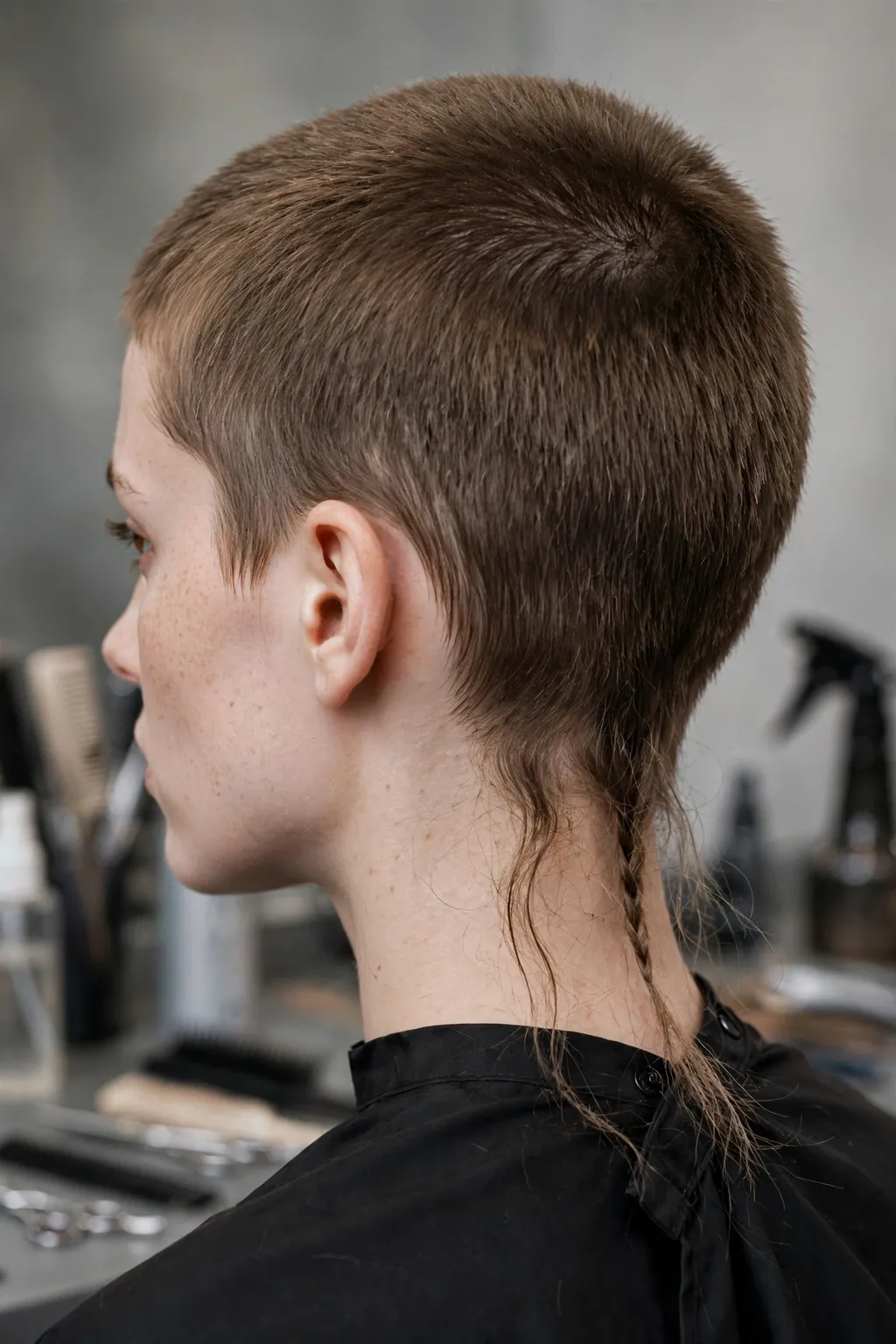
The rat tail — one thin braid or strand left long at the nape while everything else is short — is a relic that refuses to die. The fail is not the concept itself but the execution: a wispy, neglected-looking tail that appears to be an accident rather than a choice.
If you love the idea, keep the tail healthy and deliberate: regular trims on the short hair, conditioned ends on the tail. A statement detail needs more maintenance, not less.
26. The Beehive Collapse
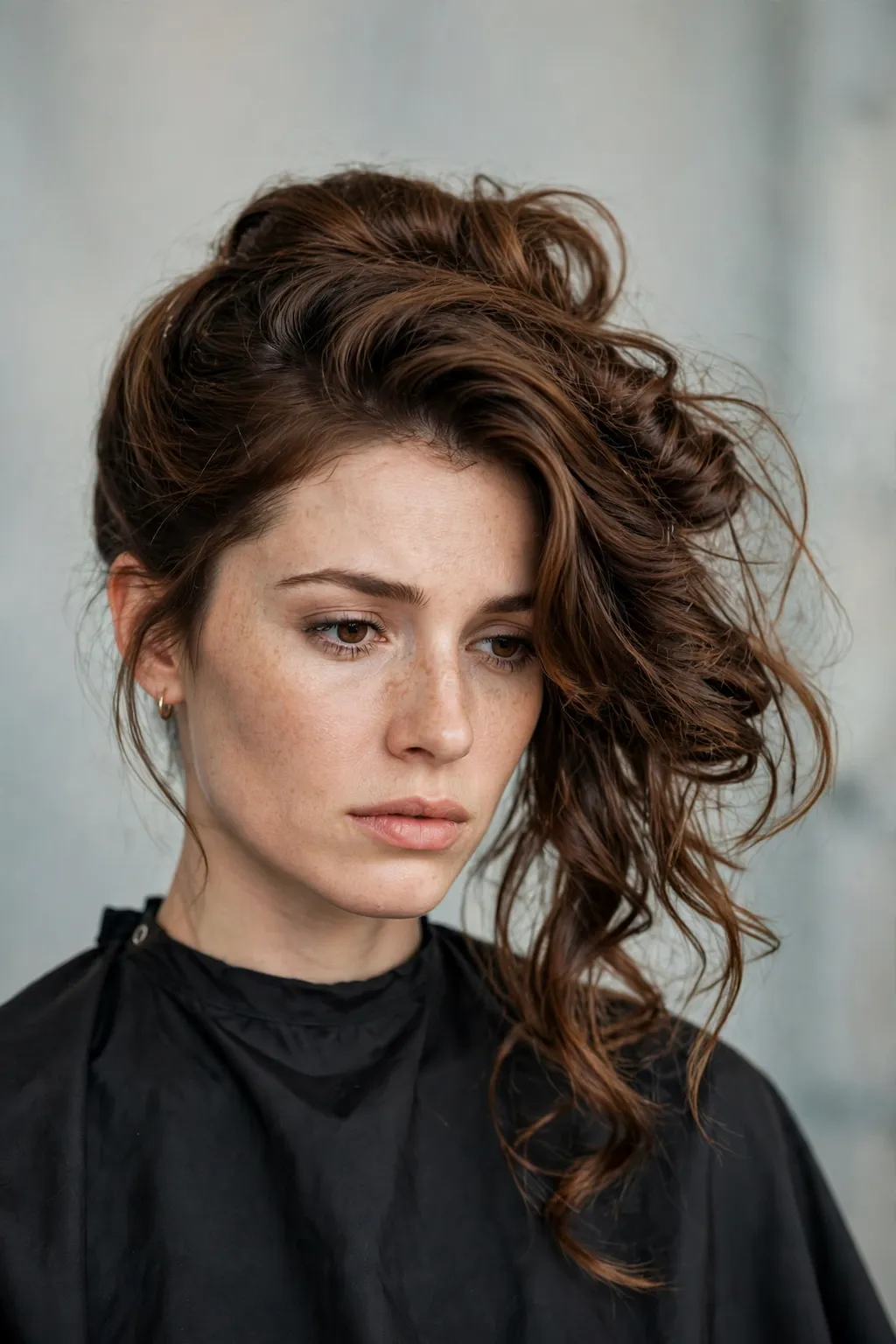
The beehive is a marvel of engineering when done right. The collapse is what happens hours later — or when attempted without enough padding and pinning — when the whole structure slumps to one side like a melting cake. Gravity always wins eventually.
Big updos need a foundation: padding, pinning in an X pattern, and strong-hold spray applied in layers. And accept that gravity-defying styles have a time limit — plan the photos early.
27. The Crimped-Everything Look
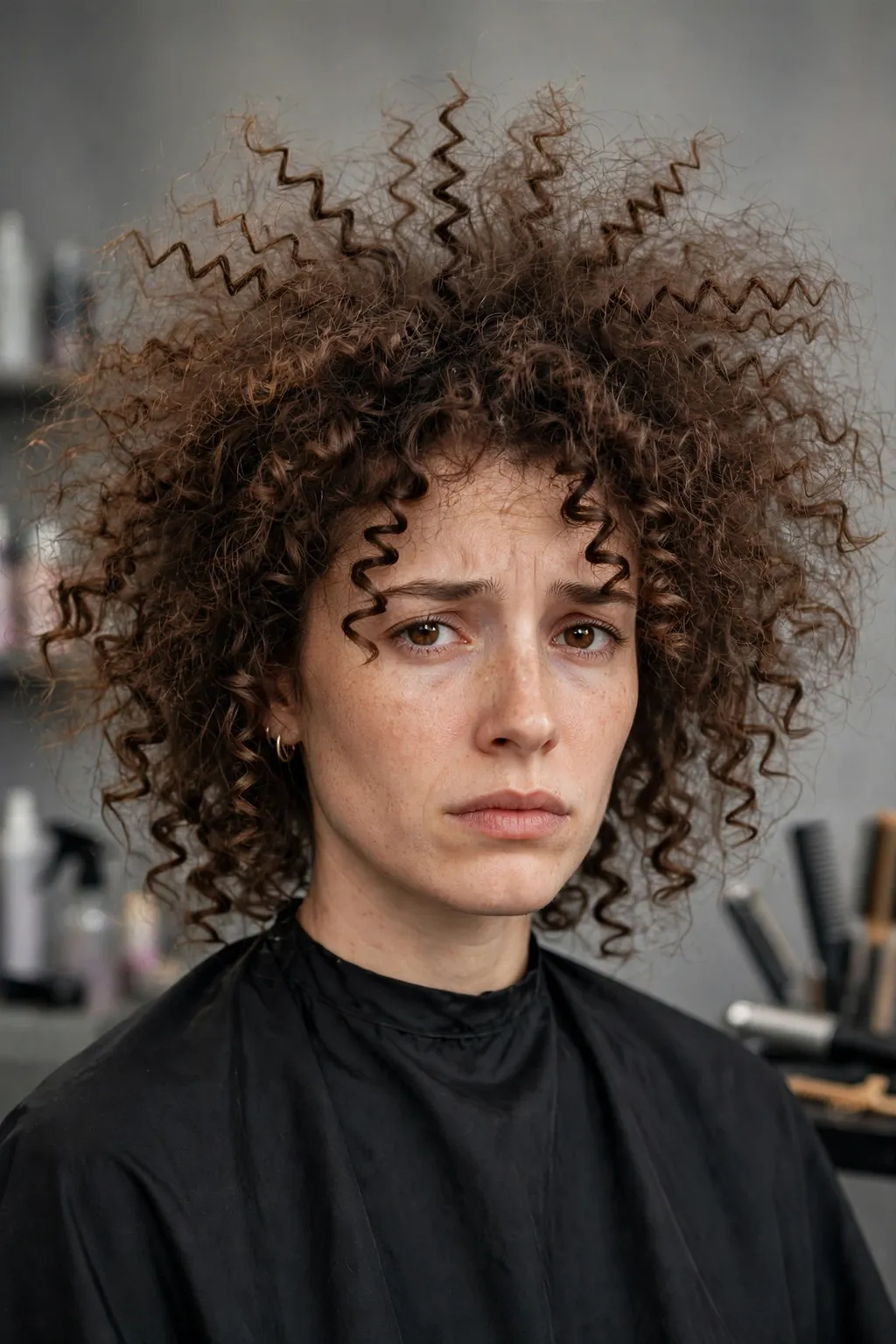
Crimped texture as an accent can be fun and retro. Crimping every single strand from root to tip creates a frizzy, undefined mass with no shape or style — just zigzag chaos. It is texture without intention.
Use crimping as a detail: a few face-framing pieces, an underlayer for volume, or a single accent section. All-over crimp reads as a styling accident, not a trend.
28. The Ramen-Noodle Perm
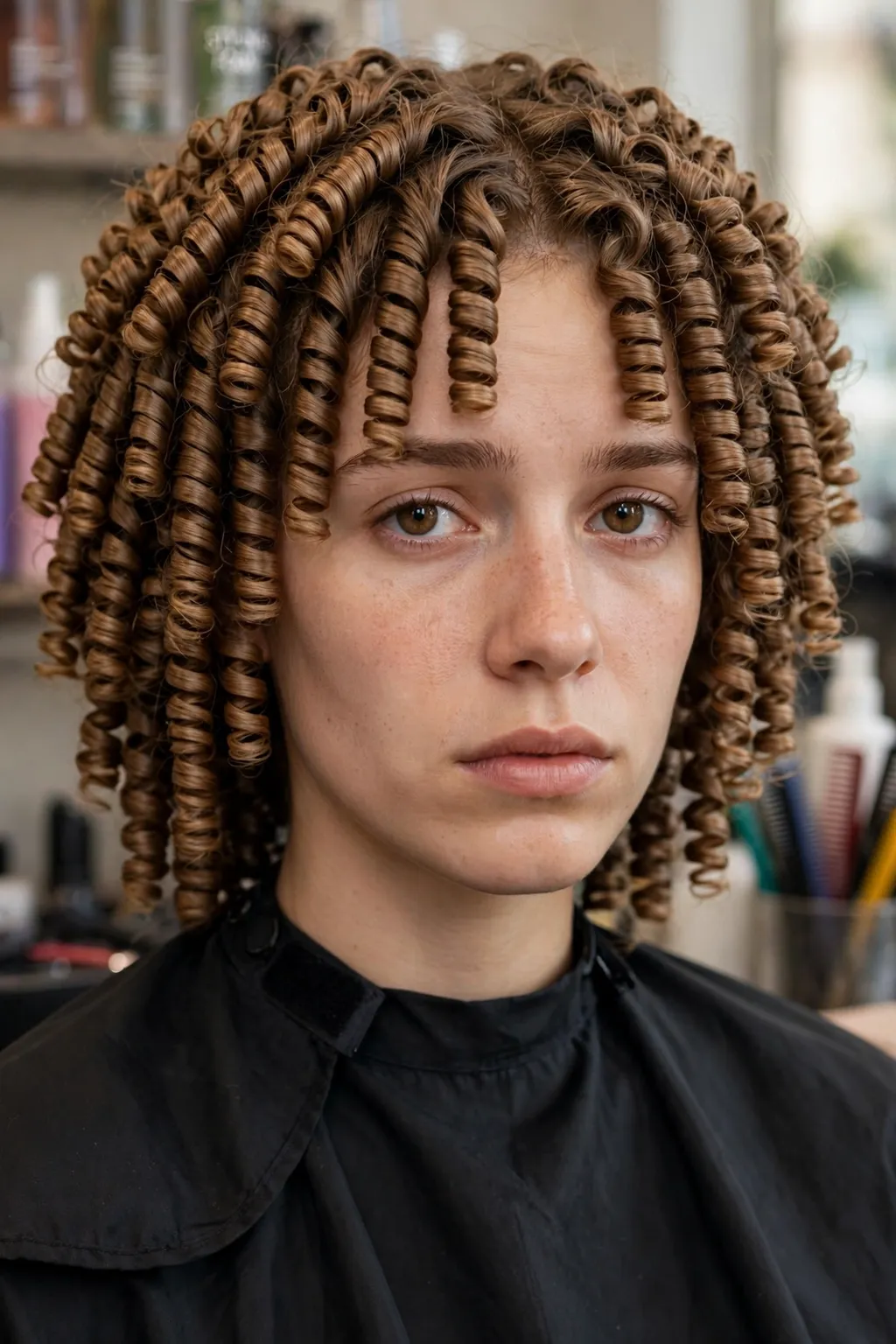
Tight, uniform, springy curls from root to tip with no variation in size or shape look like instant noodles — bouncy, yes, but completely unnatural. The ramen perm fail has no movement, no softness, and no shape, just a helmet of identical ringlets.
Great perms mix curl sizes and leave the roots softer for a natural grow-in. Ask for texture that looks like it could be yours. Uniformity is the enemy of natural-looking curls.
29. The Tiny Top Knot Fail
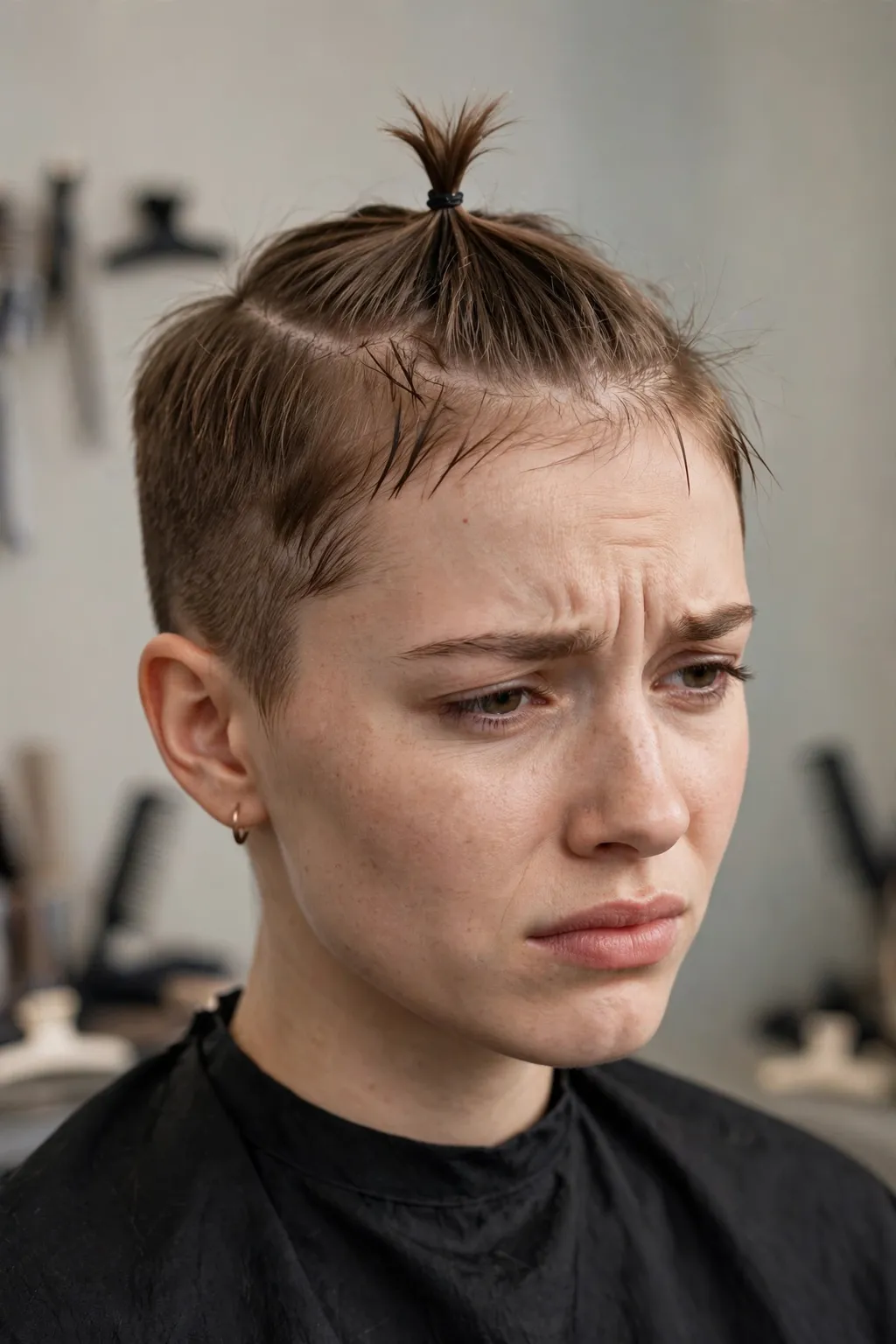
The top knot is effortlessly cool — when there is enough hair to actually make a knot. The fail is scraping barely-there lengths into a tiny, strained nub that pulls at the hairline and looks painful rather than stylish. It is ambition exceeding length.
Wait until your hair can comfortably make the style, or fake fullness with texture and volume at the crown. A style should never hurt. If your hairline is protesting, listen to it.
30. The Comb-Over Catastrophe
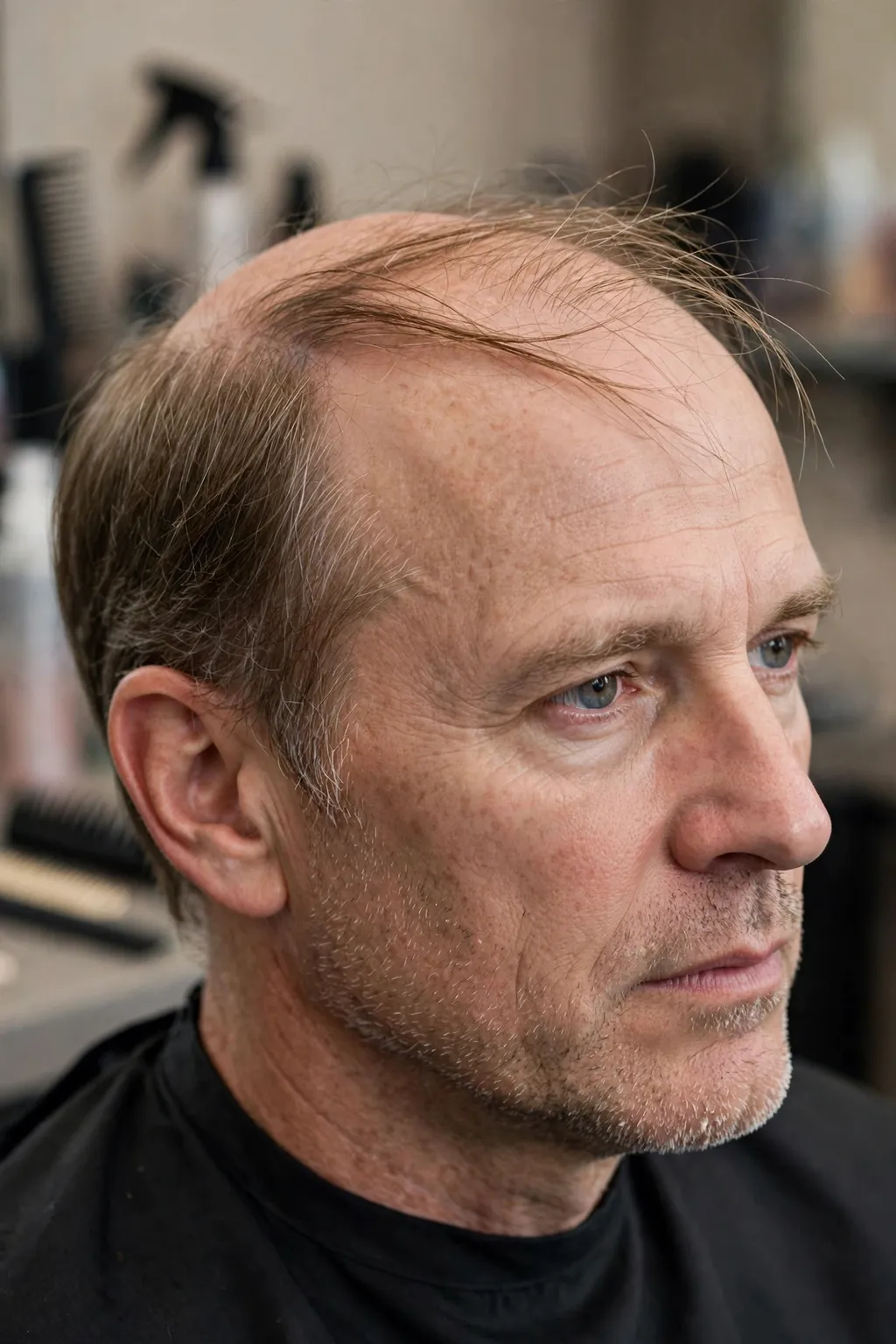
The comb-over tries to hide thinning hair by sweeping long strands across a bare scalp. The fail is unmistakable: a visible scalp with a few lonely strands stretched across it, especially tragic in wind or harsh lighting. It draws more attention to the problem, not less.
Confidence beats coverage. Shorter cuts, textured crops, or embracing the change always look better than an elaborate cover-up. Owning your hair — whatever it is doing — is the real power move.
31. The Obvious Hairpiece
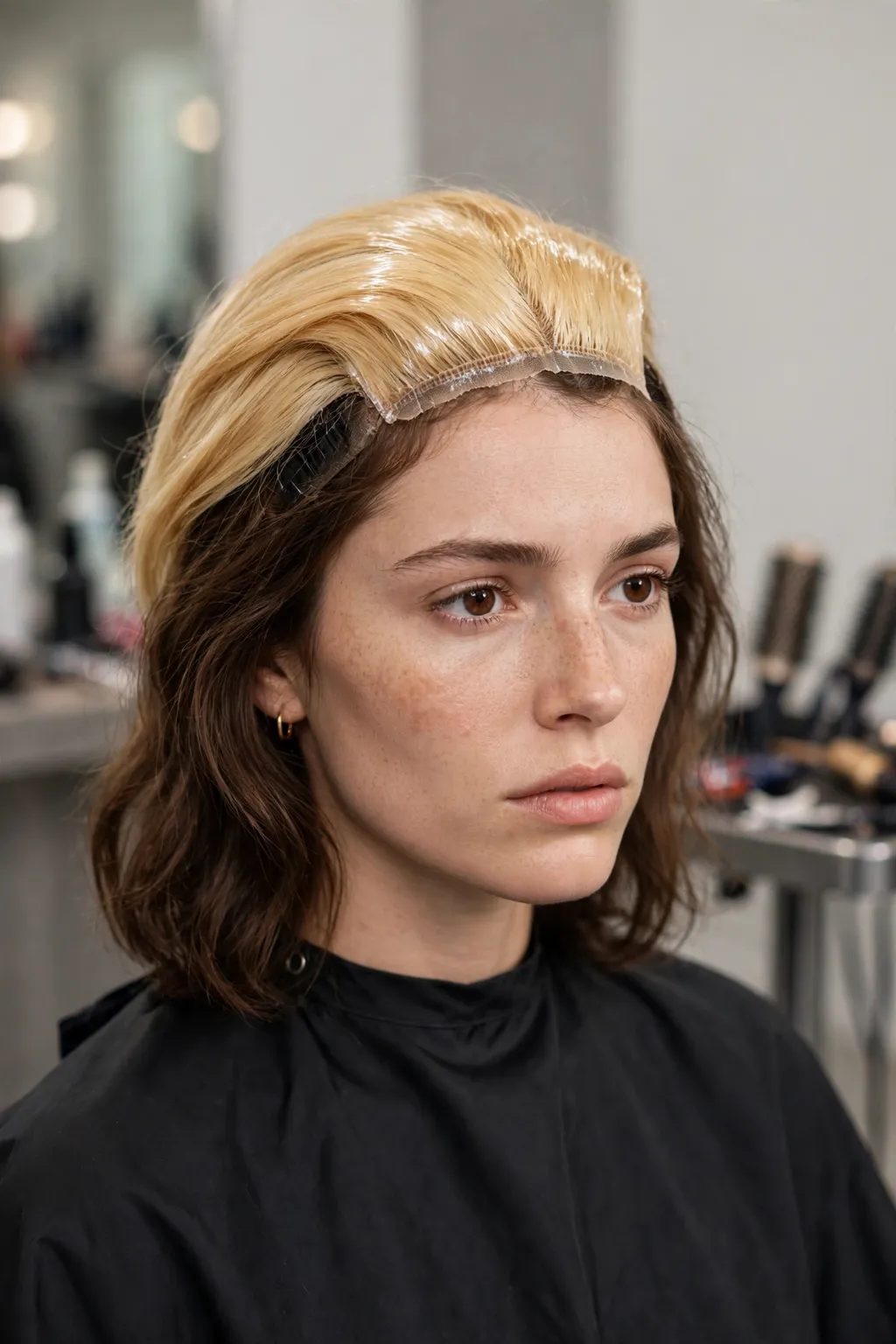
Hairpieces and toupees have come a long way, but the obvious one — wrong color, wrong texture, visible edge — fools nobody. The fail is a piece that matches nothing: too dark, too shiny, sitting slightly off from the natural hairline like a separate entity.
Modern hair systems can be undetectable when matched properly. The keys are color matching in natural light, the right density (less is more), and a hairline that makes sense for the wearer’s age. Subtlety is everything.
32. The Spray-On Hairline
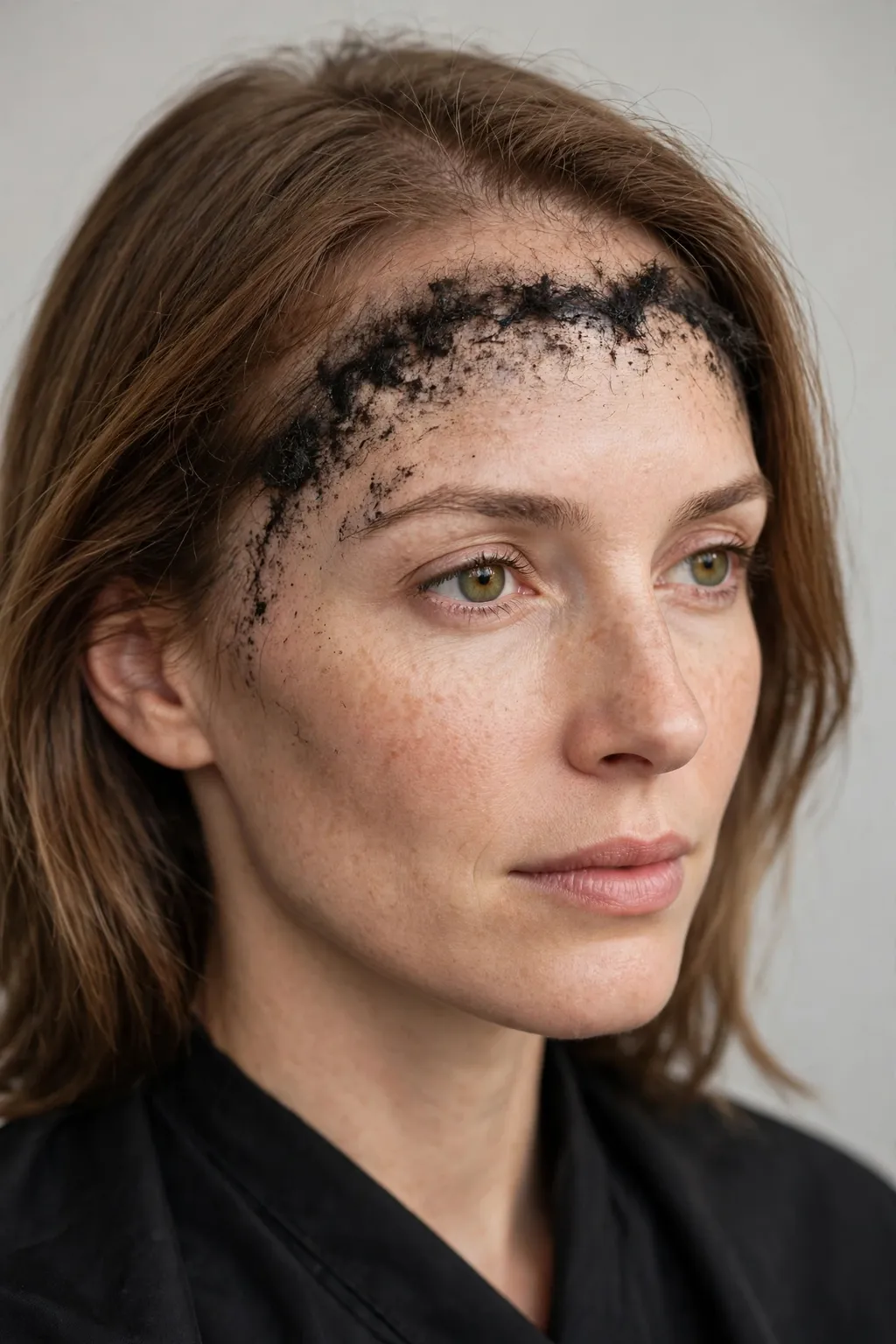
Hair fibers and color sprays can fill in thinning areas convincingly — until they are overapplied. The fail is a painted-on hairline with a visible edge, especially obvious in sunlight or when it rains. It looks like exactly what it is: paint.
Use these products sparingly and set them with a light spray. They work best as a subtle enhancement, not a full reconstruction. If you can see where the product ends, you have used too much.
33. The Visible Extension Clips
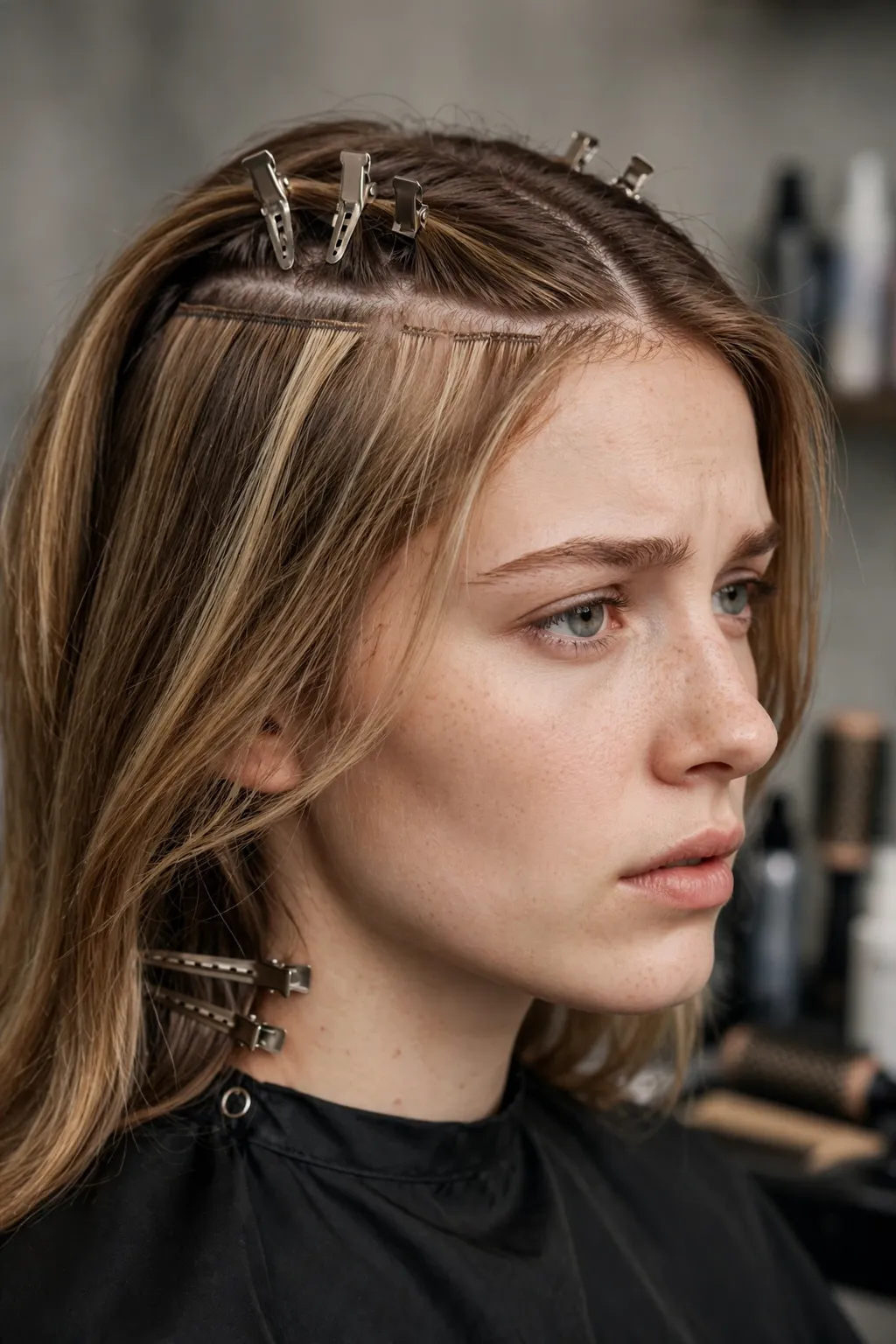
Extensions should be your secret. The fail is clips peeking out at the part, at the nape when the wind blows, or a visible line where the extensions start. It instantly breaks the illusion of long, thick natural hair.
Proper placement is everything: clips go under sections of your own hair, never at the part line, and the extension color must match perfectly. When in doubt, have them professionally installed and blended with a cut.
34. The Mismatched Extension Shade
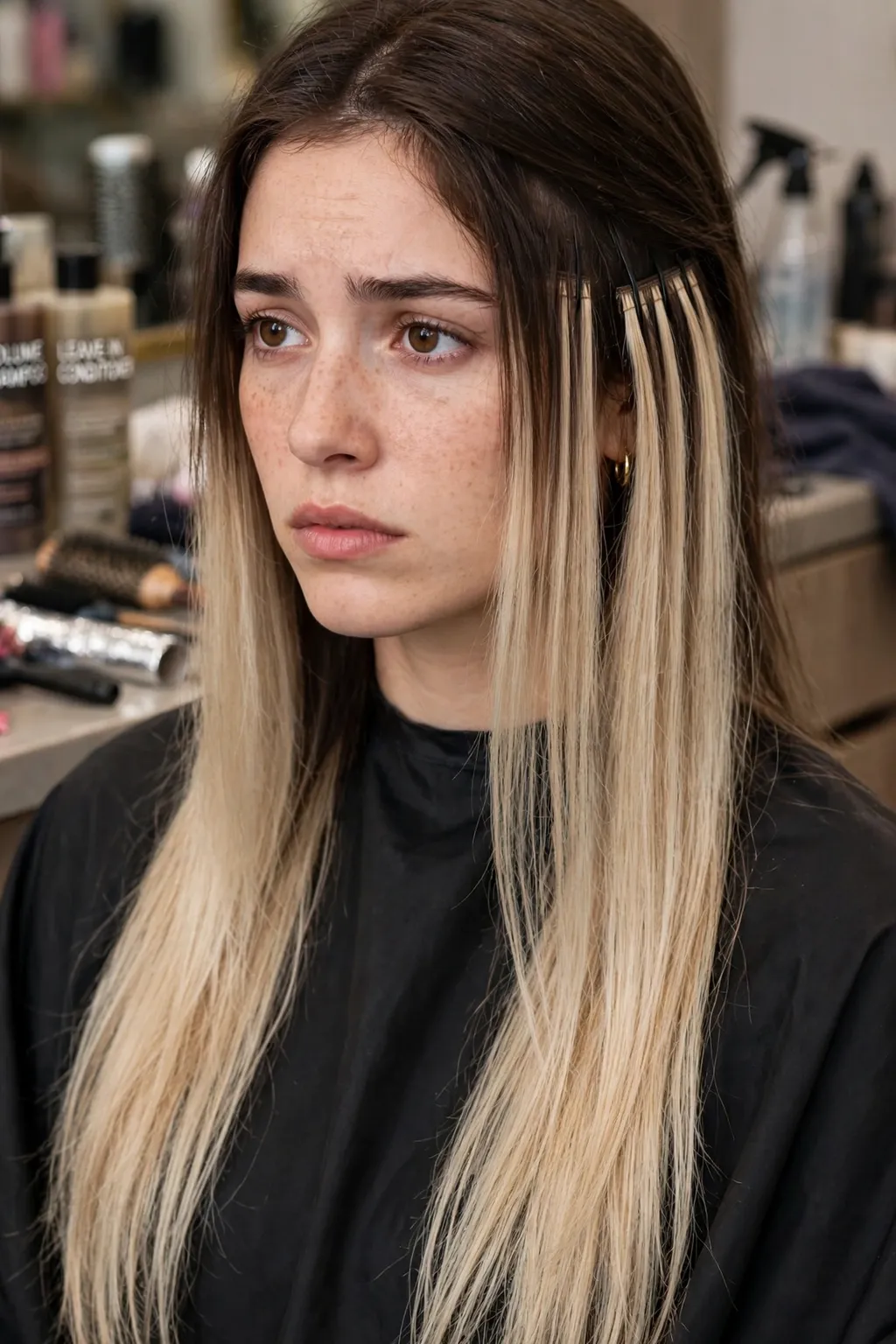
Even perfectly placed extensions fail when the color is wrong. The fail is extensions two shades lighter or warmer than the natural hair, creating an obvious two-tone effect that screams “add-ons.” It is especially noticeable in sunlight.
Match extensions to your ends, not your roots — ends are usually lighter. Bring a sample of your hair to compare in daylight, and have a stylist tone the extensions to blend. Color match matters more than length.
35. The Lace-Front Mishap
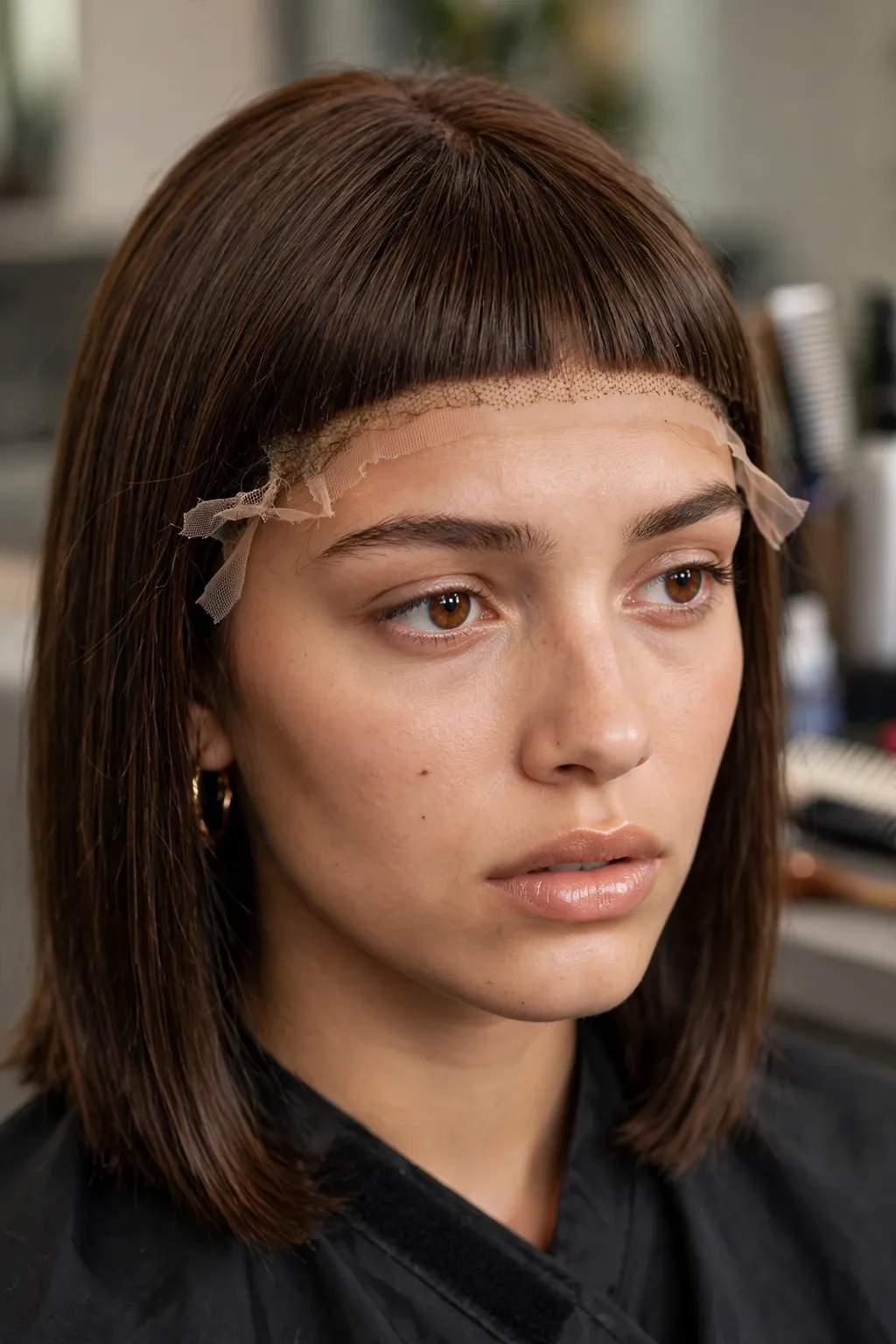
A good lace-front wig is undetectable; a bad one has a visible lace edge, a too-straight hairline, or glue showing at the temples. The mishap turns a potentially flawless look into an obvious one, usually from rushing the application.
Take time with the details: trim the lace close, use a skin-tone-correct adhesive, melt the lace properly, and pluck the hairline for realism. The difference between obvious and undetectable is in the finishing.
36. The Glued-Down Edges Overload
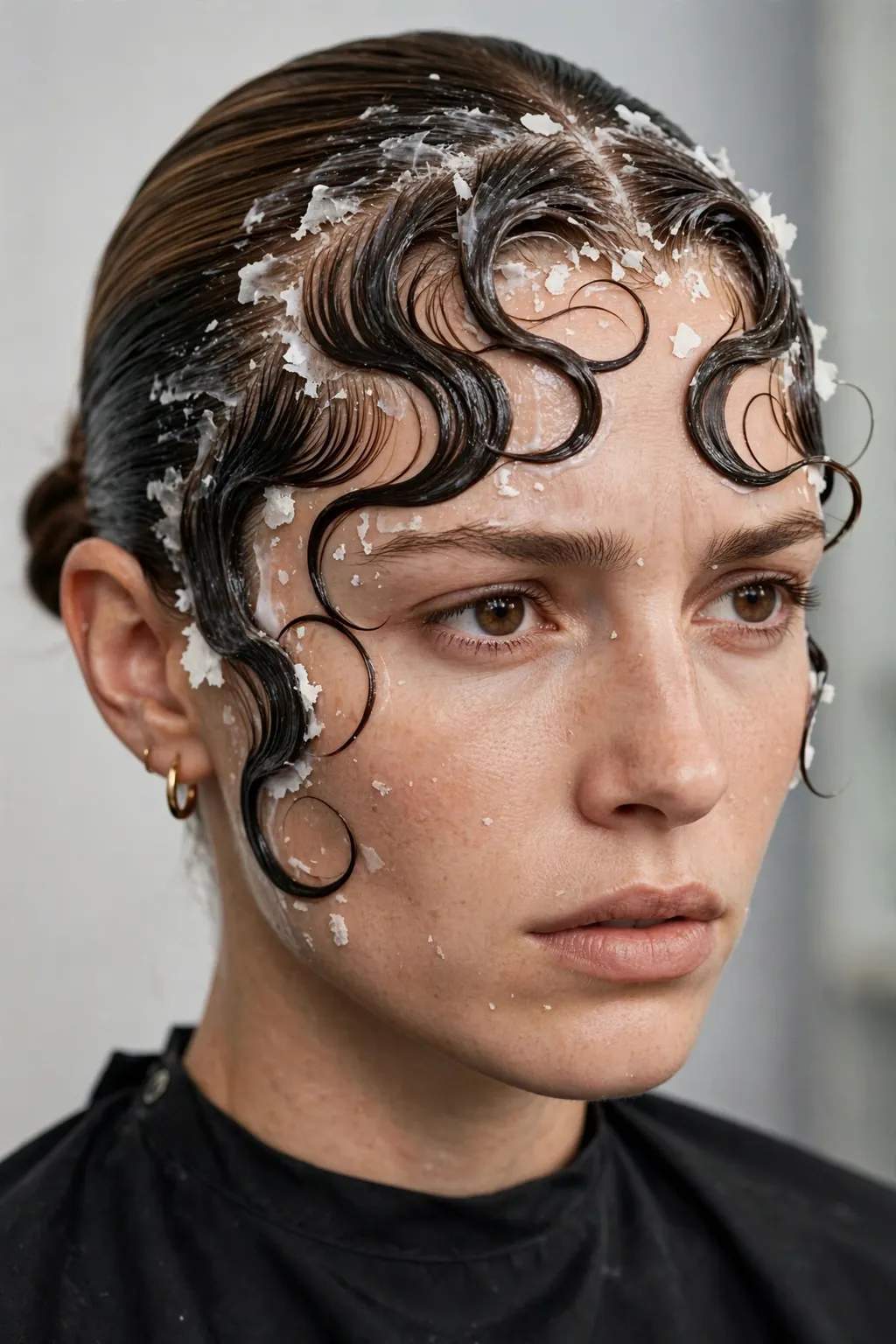
Laid edges are an art form, but the overload version uses so much gel that the baby hairs become stiff, shiny swoops that look wet all day and flake by evening. Instead of sleek, it reads as crunchy and overworked.
A light hand is the whole trick. Use a small amount of edge control, smooth with a soft brush, and tie down briefly to set. Edges should look polished, not shellacked.
37. The Greasy Over-Oiled Look
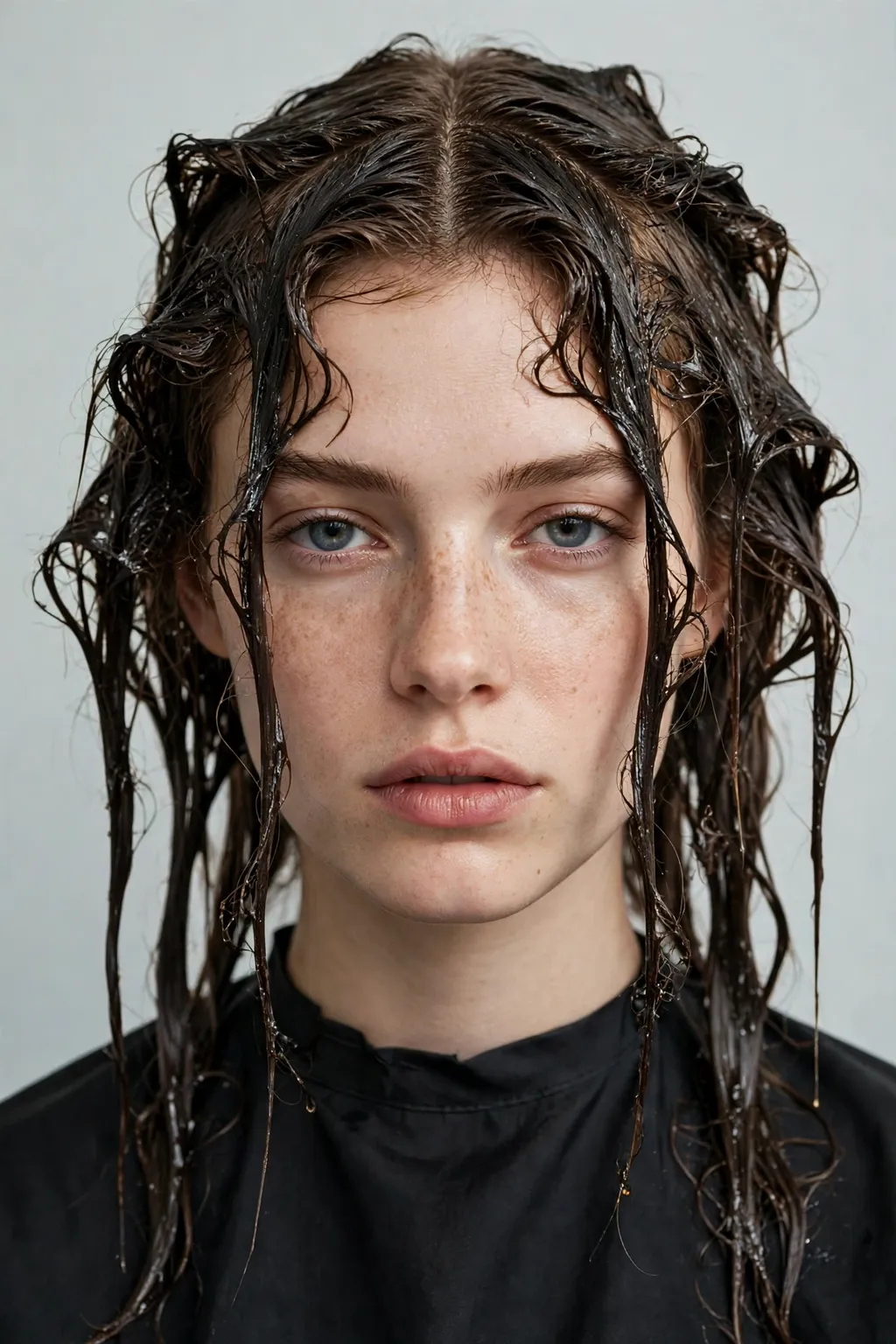
Hair oil is wonderful for shine and health — in the right amount. The fail is oil applied like lotion, leaving hair stringy, heavy, and separated into greasy clumps. Instead of glossy, it looks unwashed.
Start with a few drops on the ends only, and add more only if needed. Fine hair needs barely any; thick hair can take more. Oil belongs on the mid-lengths and ends, never slathered on the roots.
38. The Crispy Hairspray Shell
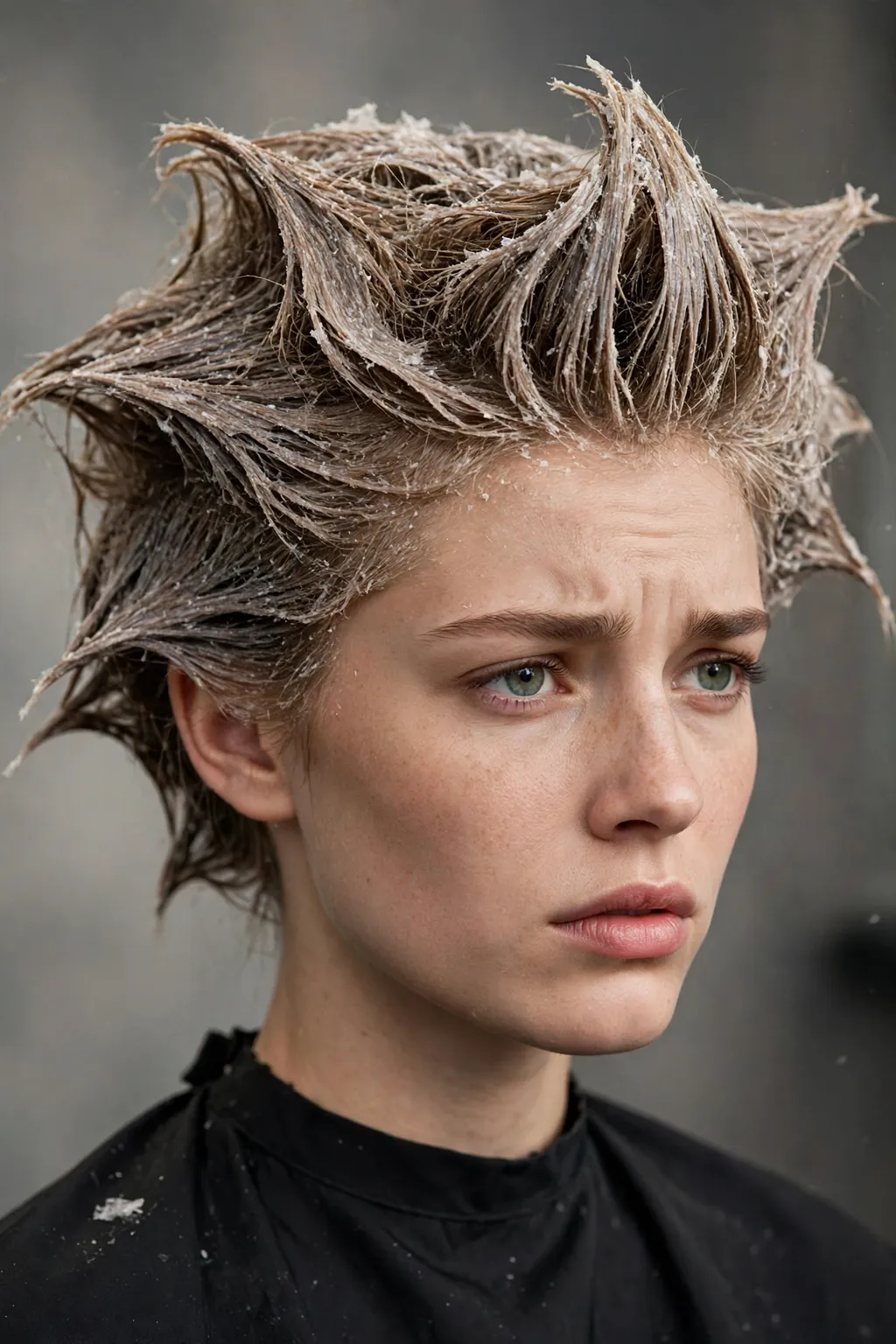
Hairspray should hold a style while letting it move. The crispy shell uses so much that the hair becomes stiff, dull, and crunchy to the touch — a style frozen in time that crackles when touched. It also attracts dust and looks matte in photos.
Spray from a distance in light layers, and choose a flexible-hold formula for everyday styles. Hold should be invisible. If someone can hear your hair, rethink the product.
39. The Static Flyaway Storm
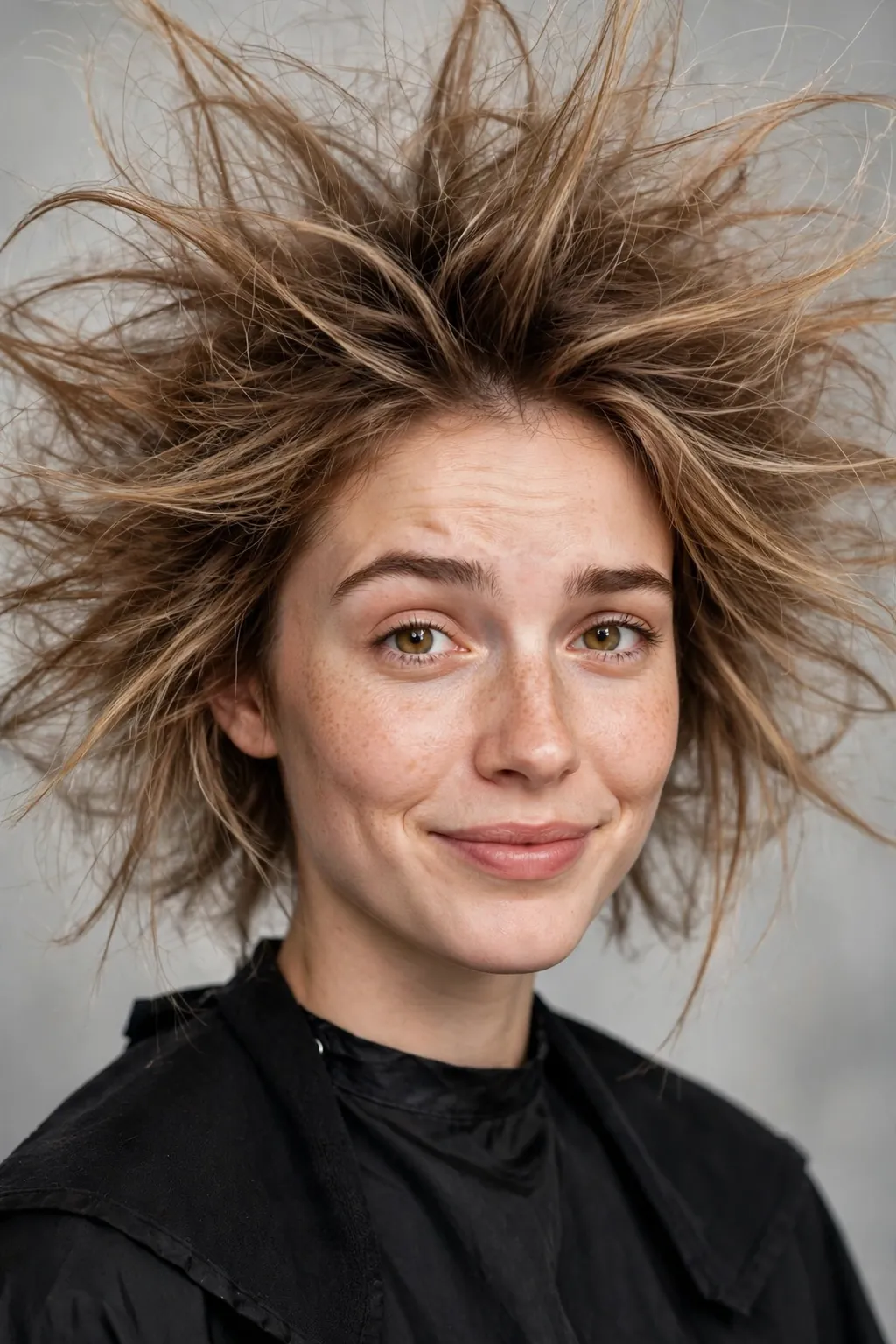
Dry winter air turns hair into a static-charged halo of flyaways standing in every direction. The fail is not the weather — it is going out unprepared, with hair that looks electrified and untouchable in every photo.
Fight static with moisture: a hydrating leave-in, a touch of oil on the ends, and a dryer sheet in a pinch. Static is a dryness problem, and dryness is solvable.
40. The Humidity Frizz-Out
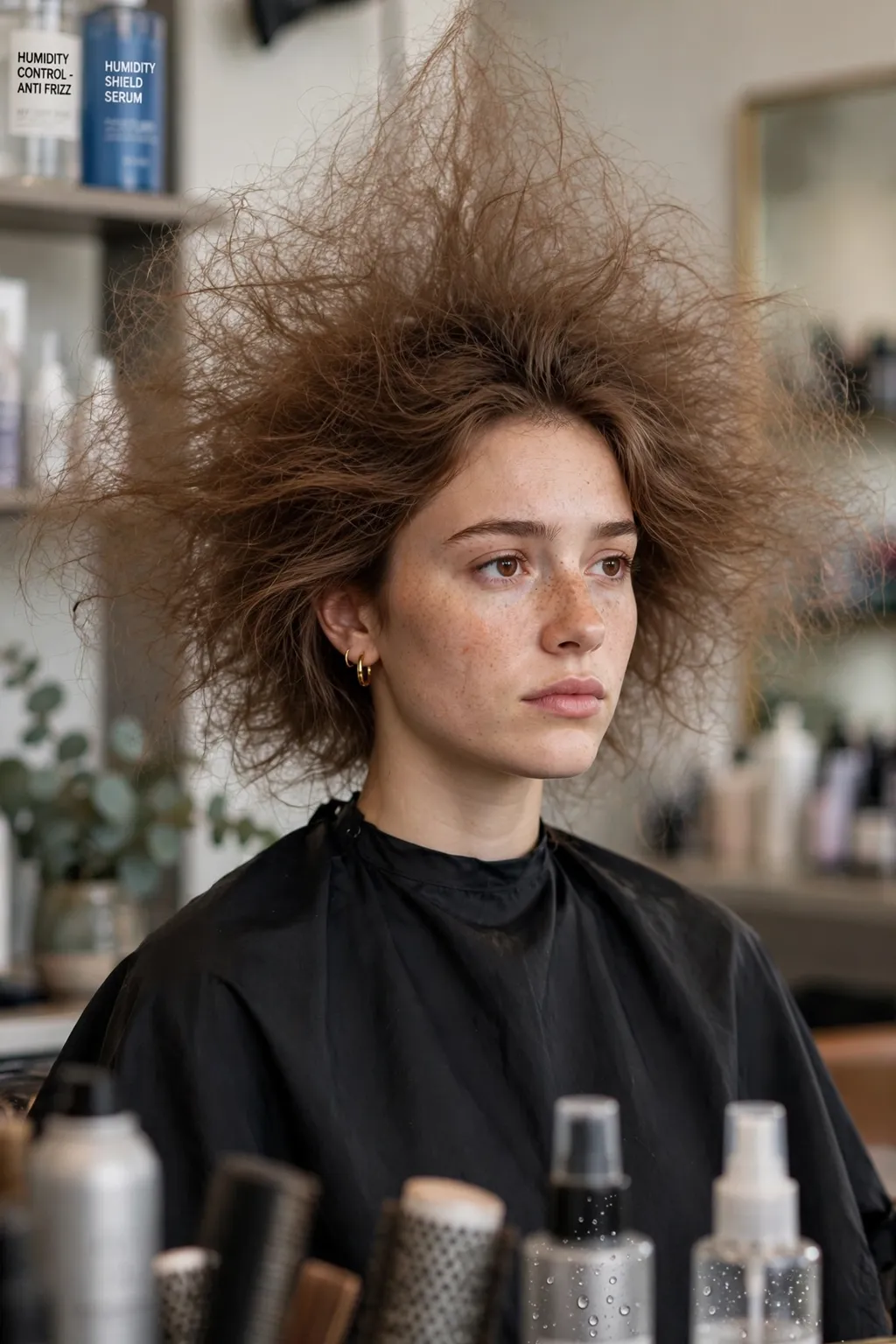
Humidity turns smooth blowouts into expanding frizz clouds within minutes. The fail is fighting your hair’s nature with a style that cannot survive the weather — stepping out sleek and arriving as a triangle.
Work with the climate, not against it. In humidity, choose styles that embrace texture, use anti-humidity products, and finish with a serum that seals the cuticle. The weather always wins, so plan accordingly.
41. The DIY Undercut Disaster
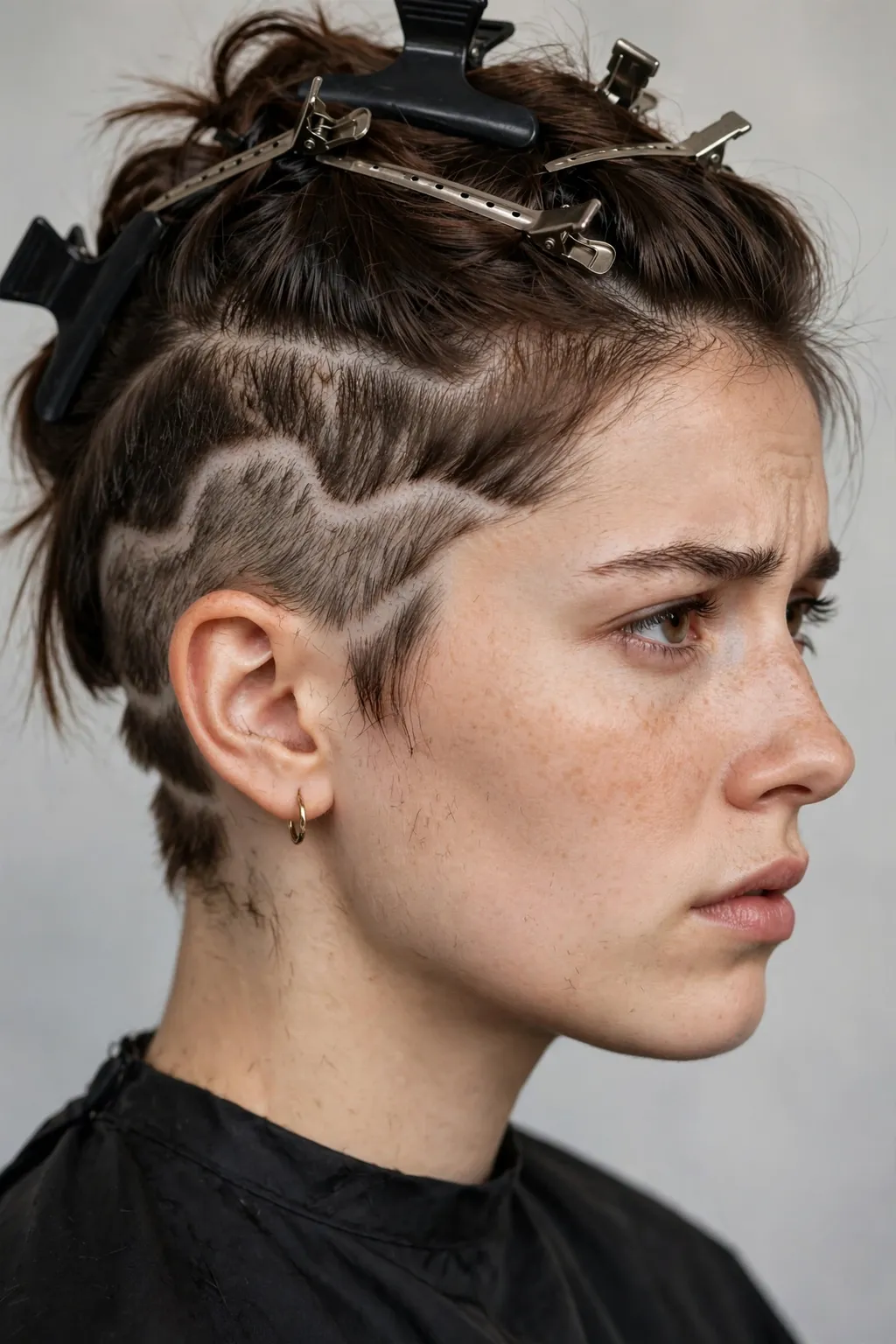
Undercuts look sharp when the lines are clean and the fade is smooth. The DIY disaster has wobbly lines, uneven lengths, and a visible step where the guard slipped. It is especially unforgiving because mistakes are right there on the side of the head.
Clipper work is deceptively hard. If you are doing it at home, use guards, go slowly, and have a mirror for the back. Or leave the sides to a barber — some things are worth the appointment.
42. The Lopsided Bob
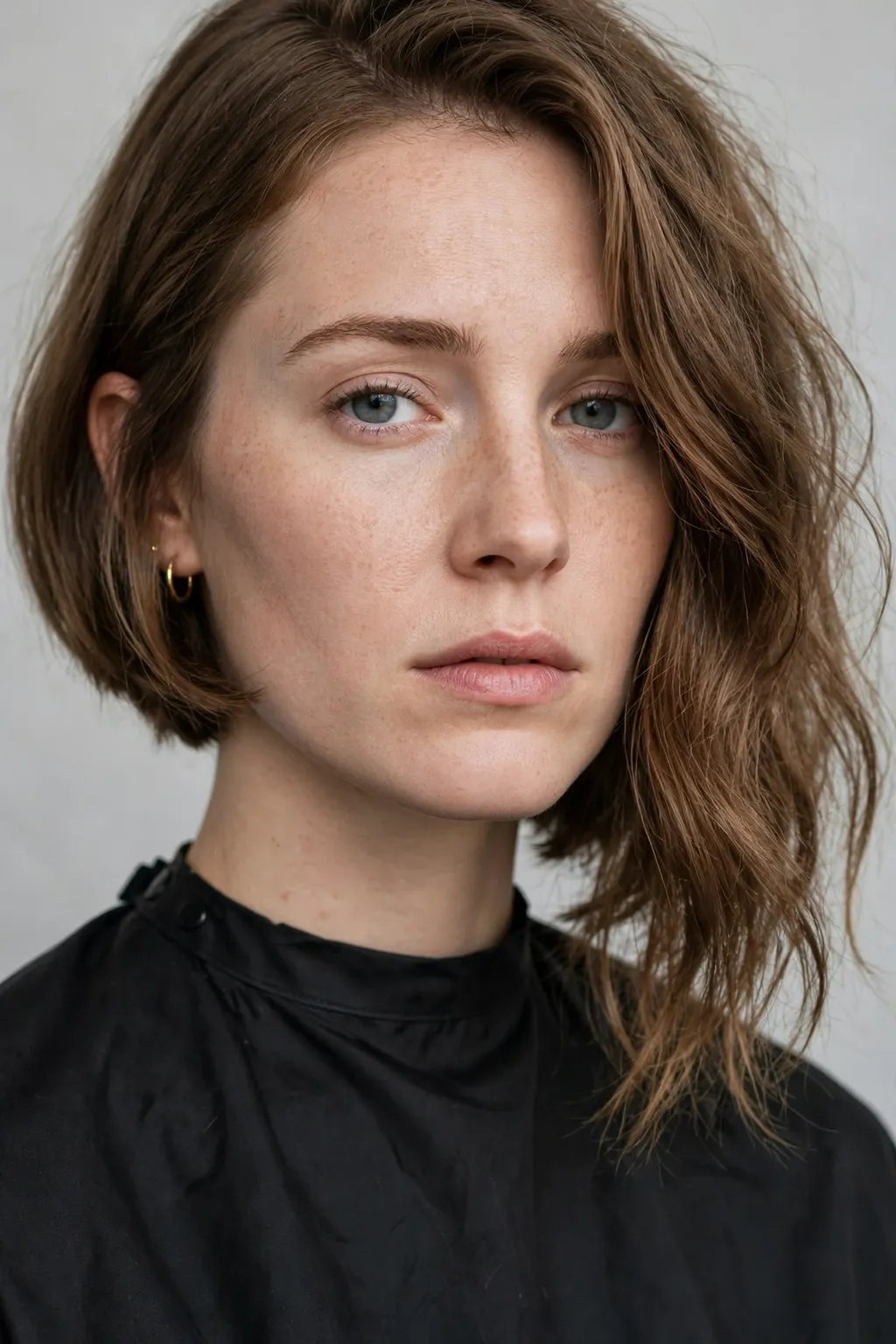
A bob lives or dies on precision. The lopsided fail is a bob that is visibly longer on one side with no intention behind it — not an edgy asymmetry, just a mistake. It is most obvious from the back, which is exactly where you cannot see it yourself.
Precision cutting is a professional skill for a reason. If your bob feels off, a stylist can usually fix it by evening things out or committing to a deliberate asymmetry. Do not try to fix it yourself — that is how the cycle continues.
43. The Mushroom Cut
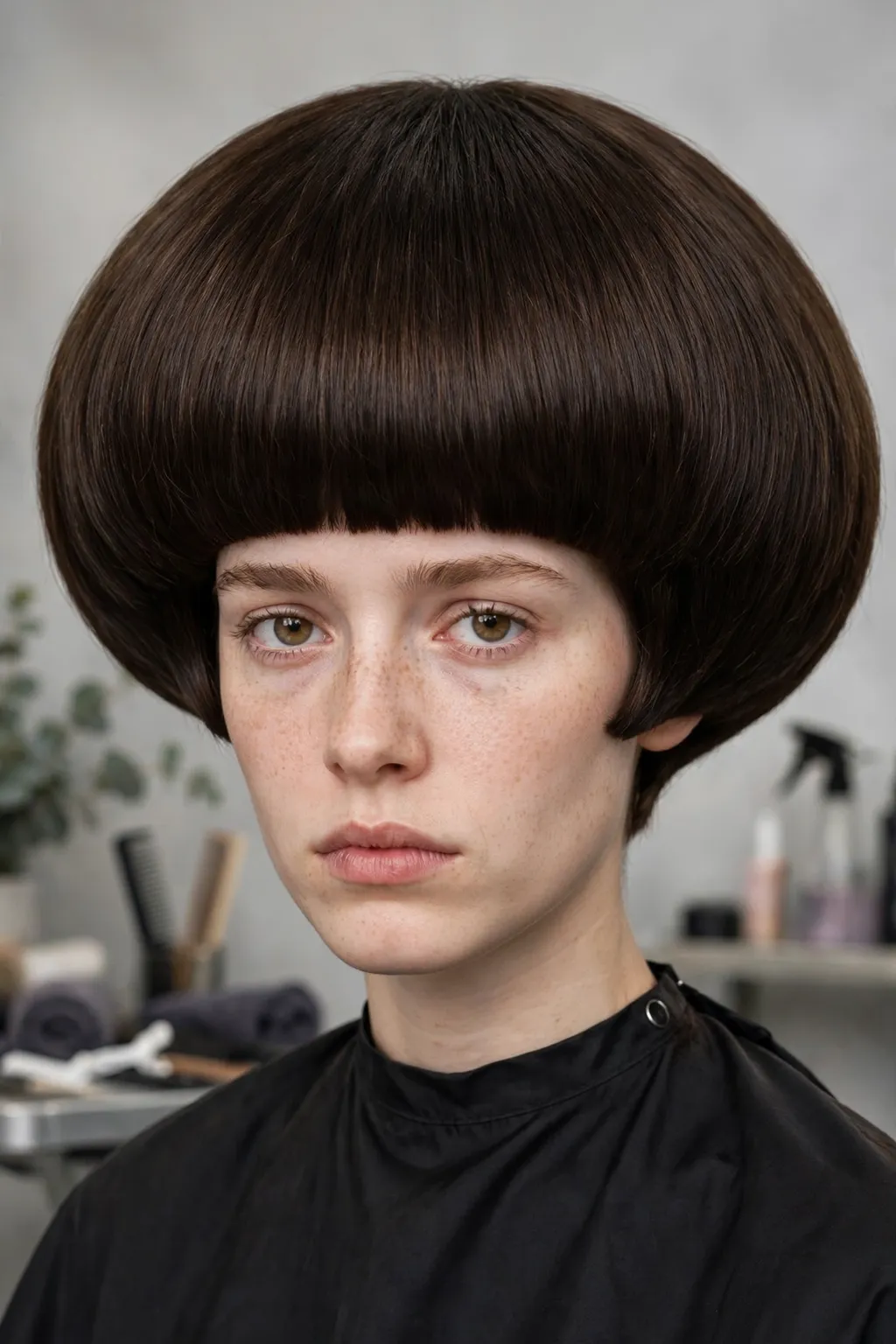
The mushroom cut — a rounded cap of hair sitting on the head with nothing underneath — is unforgiving. The fail is a perfect dome with no texture, no graduation, and no connection to the rest of the look. It reads as a helmet, not a haircut.
If you like the rounded shape, modernize it: add texture, soften the edges, and connect it to the neckline. Shape needs softness to look current.
44. The Over-Stacked Angled Bob
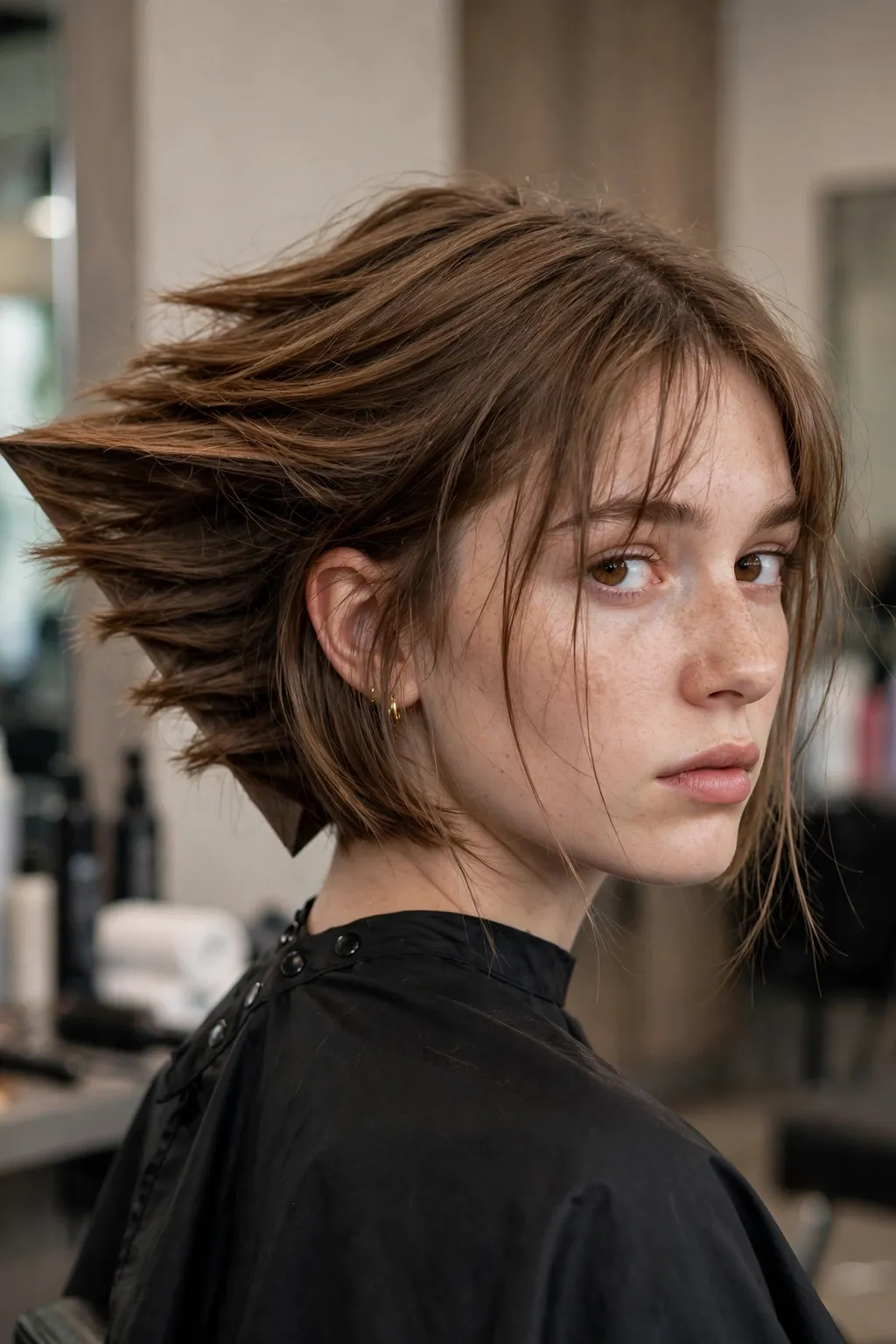
The angled bob can be chic, but the over-stacked version piles so much graduation at the back that it becomes a shelf — a jutting triangle of hair with thin, wispy ends in front. The proportions go cartoonish fast.
Stacking should create shape, not architecture. Keep the graduation moderate and the front pieces substantial enough to balance the back. A bob should frame the face, not overshadow it.
45. The Micro Bangs Misfire
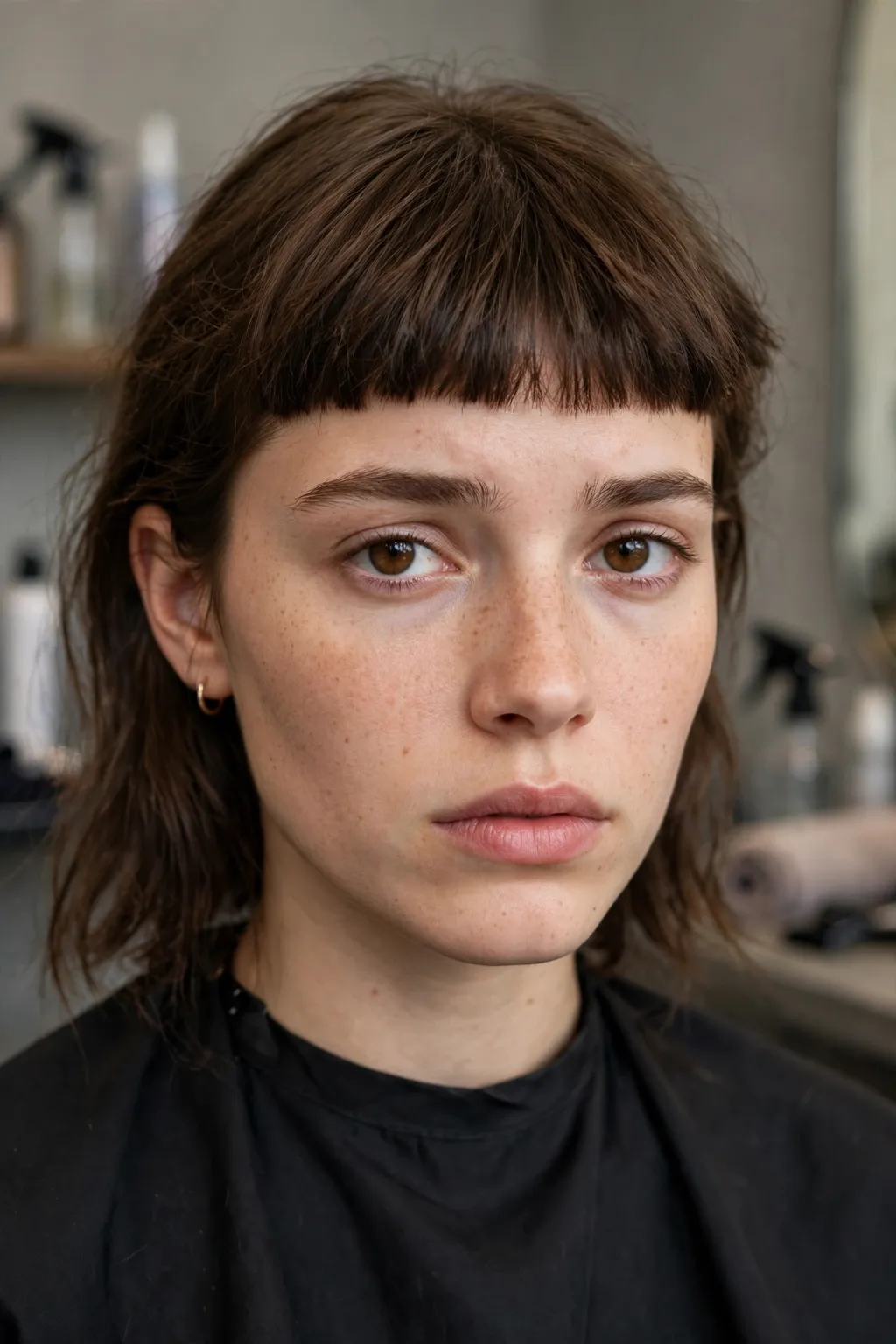
Micro bangs are a bold, editorial look — when they are cut straight, even, and styled with intention. The misfire is bangs cut too short, too thick, and left unstyled, sitting like a fuzzy strip above the eyebrows. It reads as a mistake, not a statement.
Micro bangs need confidence and styling: keep them piece-y, keep the edges soft, and commit to the look. They are high-fashion or high-regret, with no middle ground.
46. The Curtain Bangs Fail
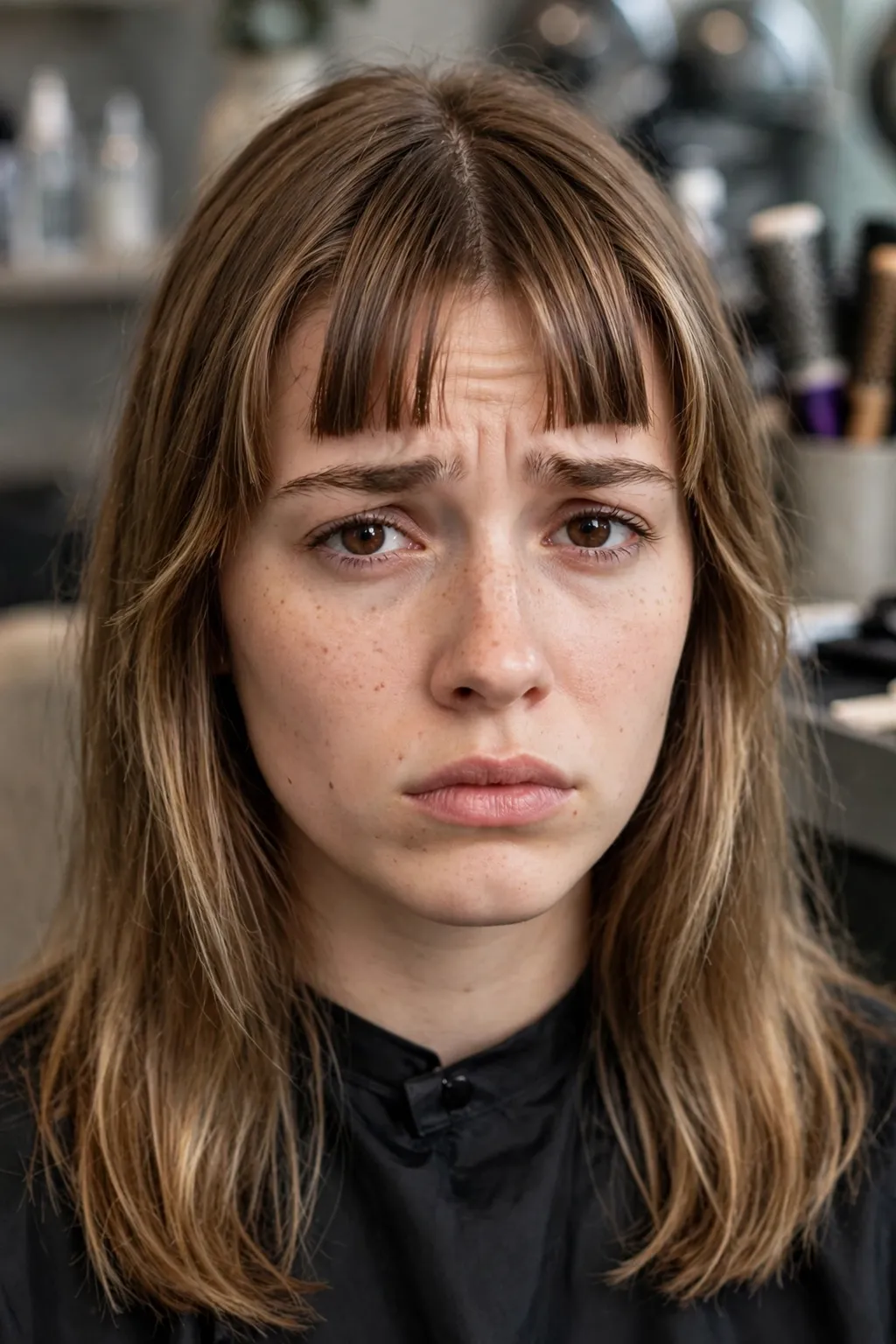
Curtain bangs frame the face beautifully when cut and styled right. The fail is bangs cut too short to actually part, too wide across the forehead, or left to hang flat without any blow-dry. Instead of soft and face-framing, they look like a failed fringe experiment.
Curtain bangs need length — they should reach at least the cheekbones — and they need a quick blow-dry with a round brush to get the signature swoop. Cut them dry, style them daily, and they are magic.
47. The Shag Cut Too Choppy
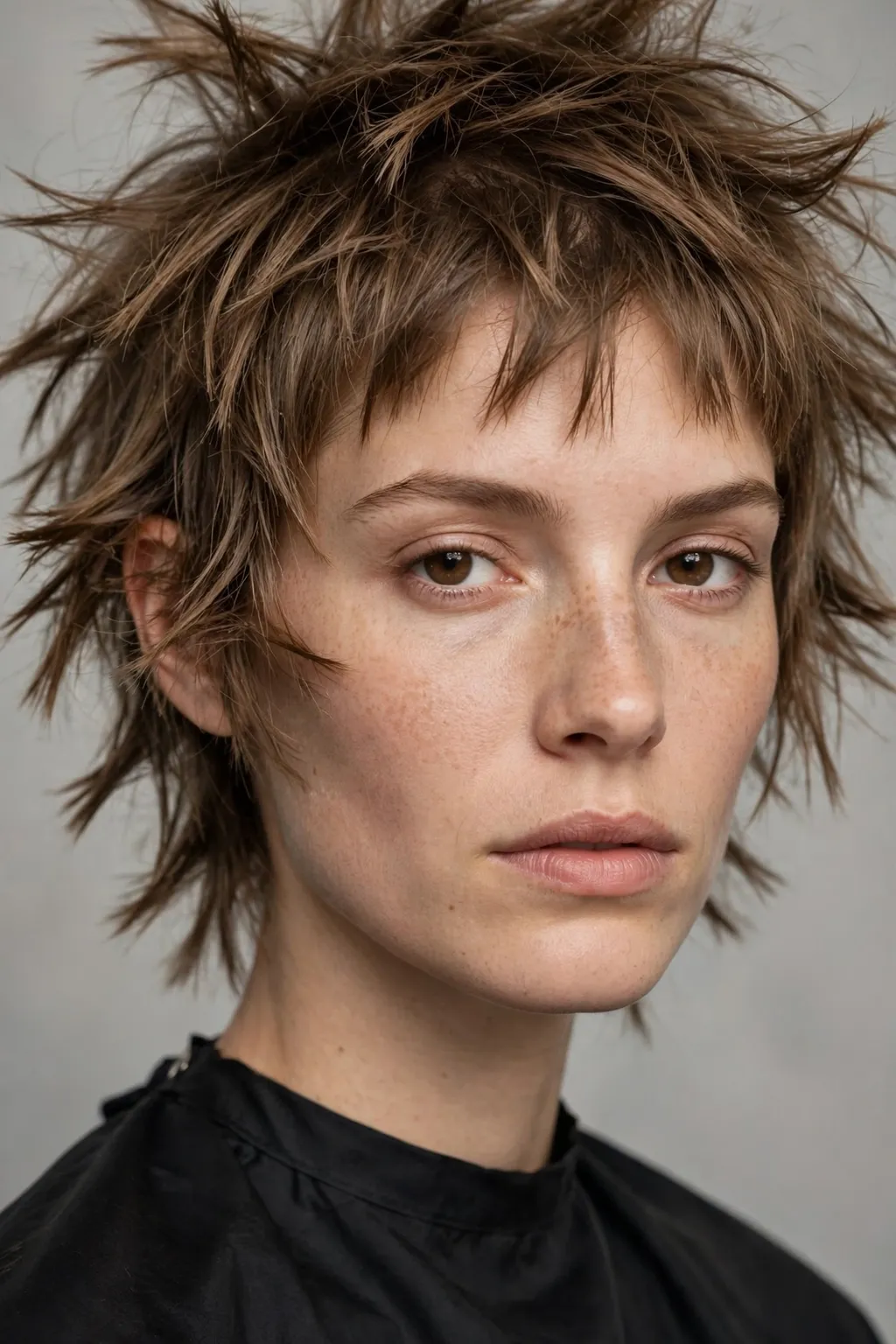
The shag is all about lived-in texture, but too much choppiness turns it into a jagged mess. The fail is layers so short and disconnected that the hair sticks out in every direction with no cohesive shape — less rock star, more startled porcupine.
A great shag has connectivity: layers that flow into each other with soft, feathered ends. Ask for texture with intention, and make sure your stylist point-cuts rather than chopping straight across.
48. The Pixie Gone Uneven
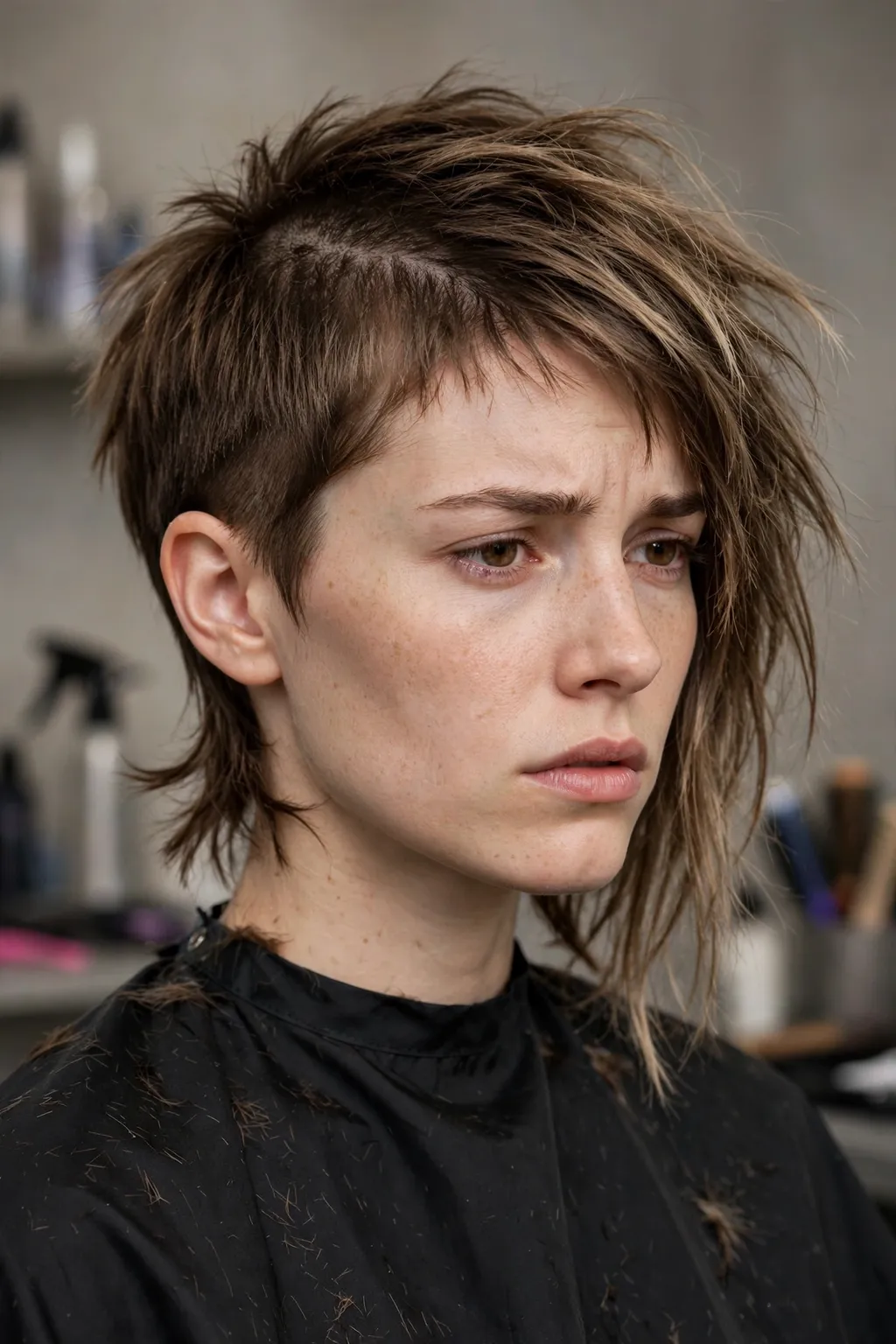
Pixies are precision cuts, and unevenness shows immediately. The fail is a pixie with one side longer, the crown flat, and the nape ragged — it looks grown-out on day one. Short hair forgives nothing.
A pixie needs a skilled cutter and regular maintenance every four to six weeks. If yours is uneven, a good stylist can reshape it — often by going slightly shorter to even things out. Precision is the price of the pixie.
49. The Wolf Cut Misfire
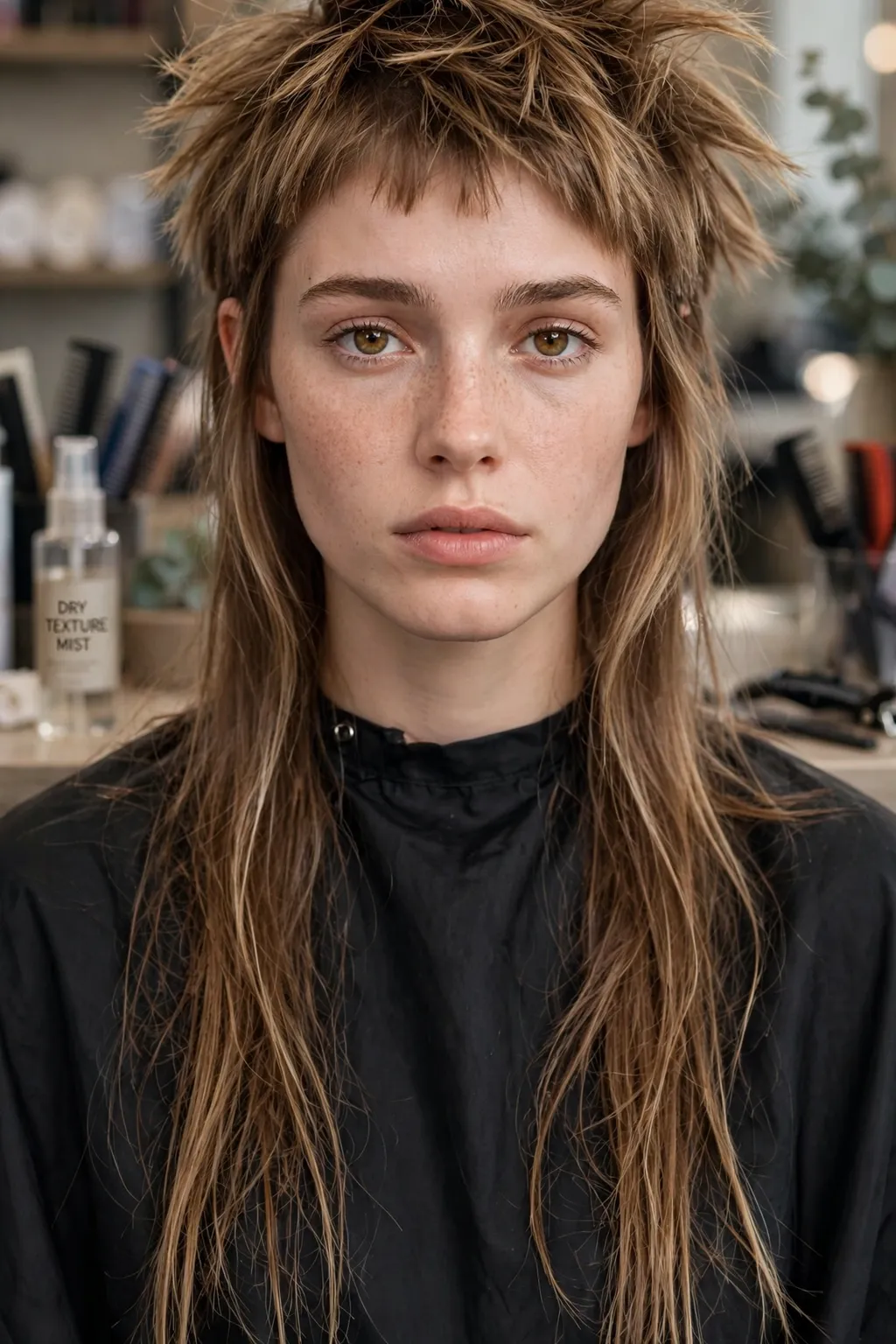
The wolf cut blends shaggy layers with a mullet silhouette — cool when balanced, chaotic when not. The misfire is layers that are too short on top with too much length at the bottom and no blending between, creating a disconnected, top-heavy shape.
The wolf cut needs a stylist who understands the silhouette: soft crown layers that connect to the lengths, texture throughout, and styling that enhances the wildness without the mess. It is organized chaos, emphasis on organized.
50. The Two-Tone Split Dye Fail
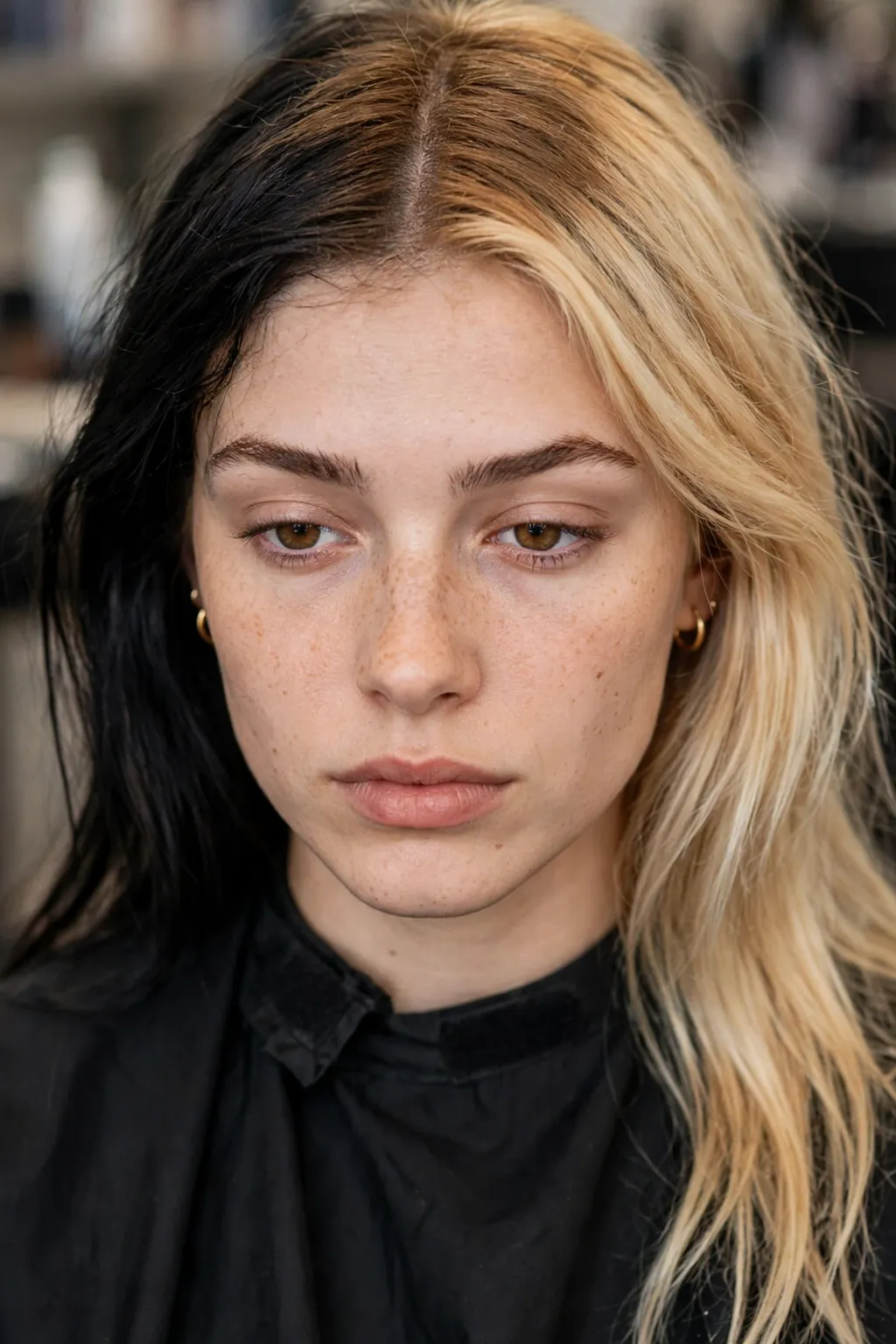
Split-dye hair — half one color, half another — is a striking statement when the line is crisp and the colors are clean. The fail is a blurry middle parting line, muddy colors that bleed into each other, and regrowth that makes the whole thing look accidental.
This is a high-maintenance style that demands precision: a sharp center part, barrier cream at the divide, and colors applied carefully to their own sides. Bold color blocking only works when the execution is flawless.
Frequently Asked Questions
What makes a celebrity hairstyle one of the worst?
A hairstyle usually lands on a worst-dressed list when the execution misses the mark — harsh color lines, unflattering proportions, visible damage, or a style that fights the wearer's features. It is rarely about the idea itself; most of these looks could have worked with better technique, maintenance, or styling.
Can a bad haircut be fixed without growing it out?
Often, yes. A skilled stylist can reshape uneven cuts, blend harsh color lines, tone brassy shades, and add layers to fix shape problems. Deep conditioning treatments and bond builders can rescue damaged hair. The key is getting professional help early instead of trying to fix it yourself and making it worse.
How do I avoid a hairstyle fail at the salon?
Bring clear reference photos, be honest about your hair's texture and your styling routine, and listen when your stylist suggests modifications. Ask about maintenance before committing to high-contrast color or dramatic cuts. A good consultation prevents most disasters before they happen.
Are any of these worst hairstyles actually trendy now?
Funny enough, yes — several so-called fails have been reclaimed. The mullet, micro bangs, and even frosted tips have all come back in refined, modern versions. The difference is always in the execution: better blending, healthier hair, and intentional styling turn a past fail into a current win.
What should I do right after a bad haircut?
First, do not panic and do not try to fix it yourself. Wash and style it the way you normally would, since wet hair in the salon chair can look different from your everyday result. If it is still wrong after a day or two, call the salon — most will fix a cut within a week. For color gone wrong, see a colorist promptly before attempting any home corrections.
Final Thoughts
Every hairstyle fail on this list started as someone’s exciting idea — and that is worth celebrating. Experimenting with your hair is one of the purest forms of self-expression, and even the misses teach us something. The difference between a disaster and a triumph usually comes down to technique, maintenance, and working with your hair’s natural texture rather than against it.
So laugh at the fails, learn the lessons, and then go book that appointment with confidence. After all, the only truly bad hairstyle is the one you are afraid to try — as long as you have a good stylist on speed dial.